InfoSAWIT, JAKARTA – Indonesia's Palm Oil Plantation Fund Management Agency (BPDP) has reaffirmed its long-term commitment to strengthening human capital development across the palm oil sector, while highlighting the strategic role of the B50 biodiesel mandate in enhancing national energy security and reducing carbon emissions.
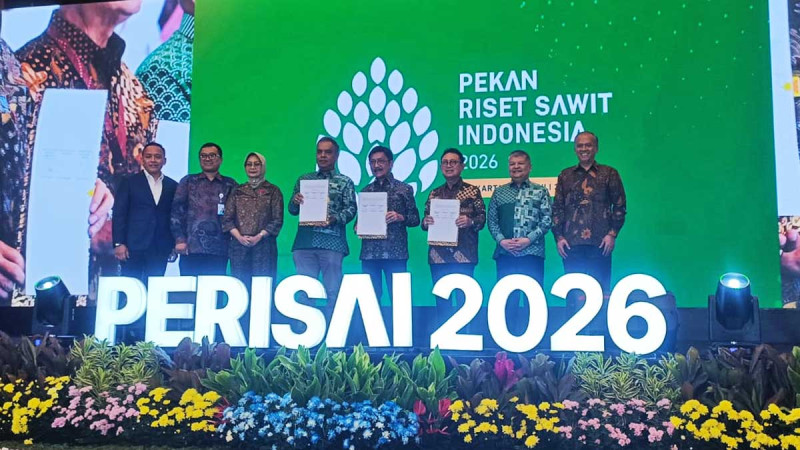
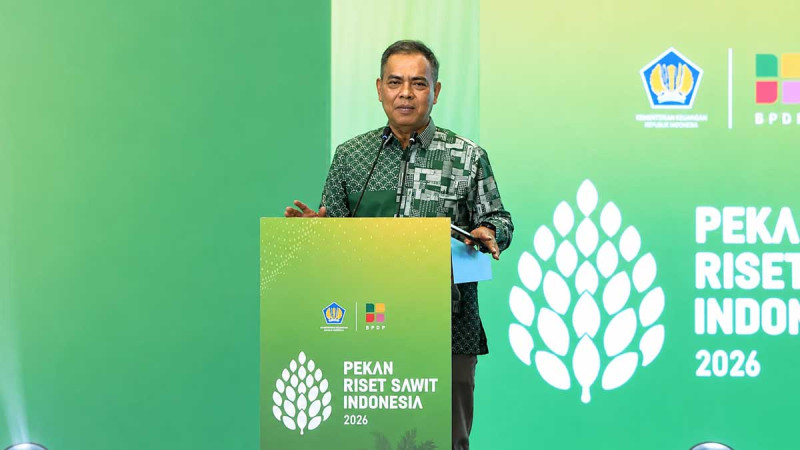
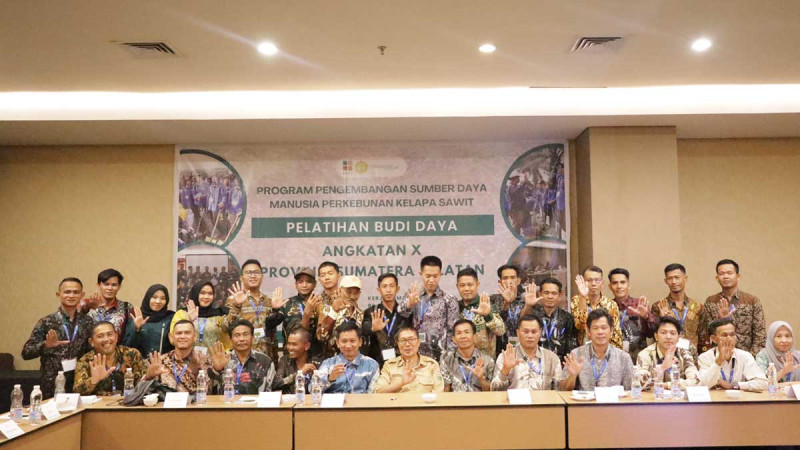
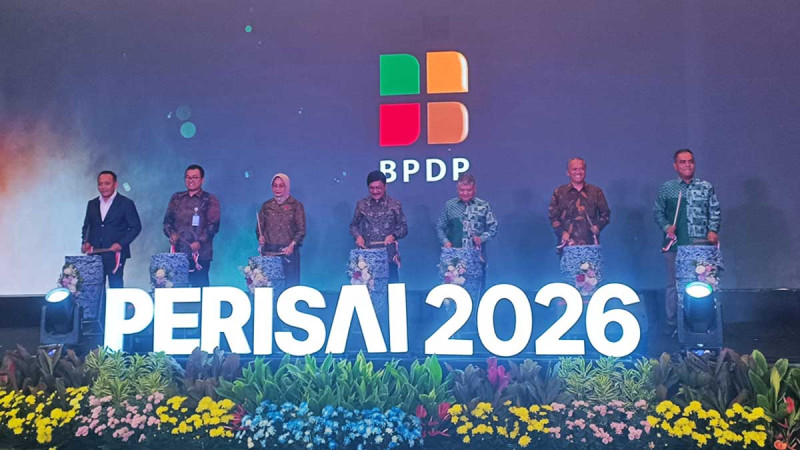
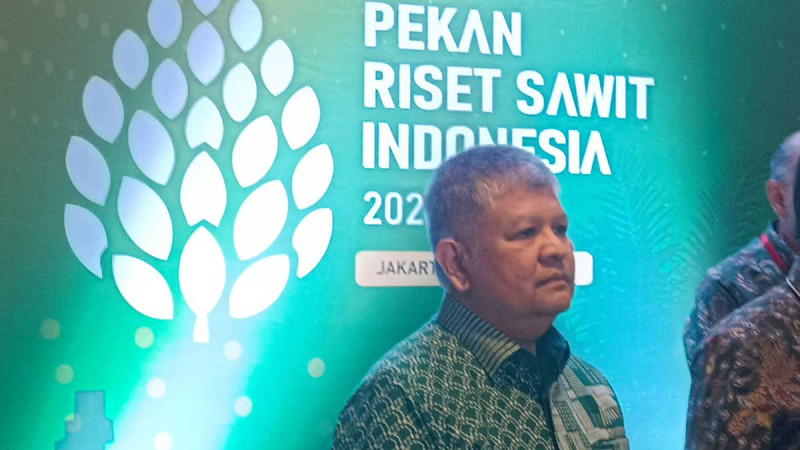
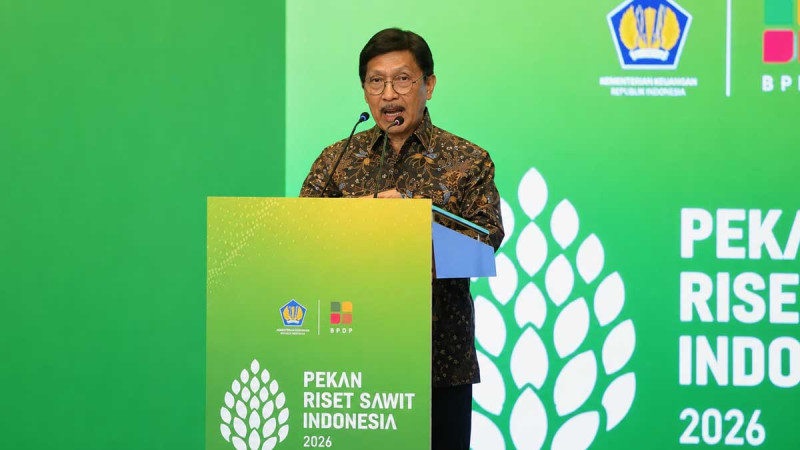
Speaking during a press conference on the sidelines of the Indonesia Palm Oil Research Conference (PERISAI) 2026, attended by InfoSAWIT on Monday (July 20, 2026), BPDP President Director Eddy Abdurrachman said the agency continues to prioritize education, training, and technical assistance programs for oil palm smallholders to improve plantation management based on Good Agricultural Practices (GAP).
According to Eddy, improving growers' competencies remains essential to maintaining the global competitiveness of Indonesia's palm oil industry, particularly as international markets place greater emphasis on sustainability standards.
"In principle, every year we continue to enhance the quality of human resources through education and training programs so that smallholders can manage their plantations using good and sustainable agricultural practices," he said.
Beyond human resource development, BPDP is also closely monitoring the implementation of Indonesia's B50 mandatory biodiesel program, which is currently transitioning from the previous B40 policy.
Eddy explained that the rollout has progressed smoothly despite the ongoing transition period, noting that extensive testing conducted jointly by the government and industry stakeholders has delivered highly satisfactory results.
"Overall, preparations have progressed well. Although we are still in the transition from B40 to B50, the performance demonstrated during various tests has been very encouraging," he said.
He described the B50 program as a significant national achievement, demonstrating Indonesia's ability to develop renewable energy solutions based on palm oil.
"B50 is an innovation created by Indonesians that deserves recognition because it reduces the use of fossil-based fuels by up to 50 percent in the sectors covered by this policy," Eddy said.
According to BPDP, biodiesel utilization is expected to reach nearly 18 million kilolitres this year and increase to around 21 million kilolitres next year. The expanded use of biodiesel is projected to reduce carbon dioxide emissions by approximately 44 million tonnes, reinforcing the palm oil industry's contribution to Indonesia's climate commitments.
Eddy also stressed that Indonesia's palm oil sector continues to strengthen its sustainability credentials through improved governance and stricter implementation of environmental and social standards.
While acknowledging that the industry continues to face international scrutiny over sustainability issues, he said Indonesia has consistently improved its regulatory framework to ensure balanced economic, environmental, and social development.
"This demonstrates that Indonesia's palm oil industry is genuinely managed in a sustainable manner by balancing economic, social, and environmental considerations," Eddy said.
BPDP affirmed that it will continue working closely with government institutions, universities, industry stakeholders, and smallholders to accelerate human resource development, technological innovation, and biodiesel implementation as part of broader efforts to strengthen the global competitiveness of Indonesia's sustainable palm oil industry. (T2)