InfoSAWIT, JAKARTA – The Indonesian government has reaffirmed that the mandatory B50 biodiesel program, implemented in July 2026, remains a key pillar of the country's palm oil strategy, while assuring that funding managed by the Palm Oil Plantation Fund Management Agency (BPDP) remains sufficient to finance biodiesel incentives as well as other strategic industry programs.
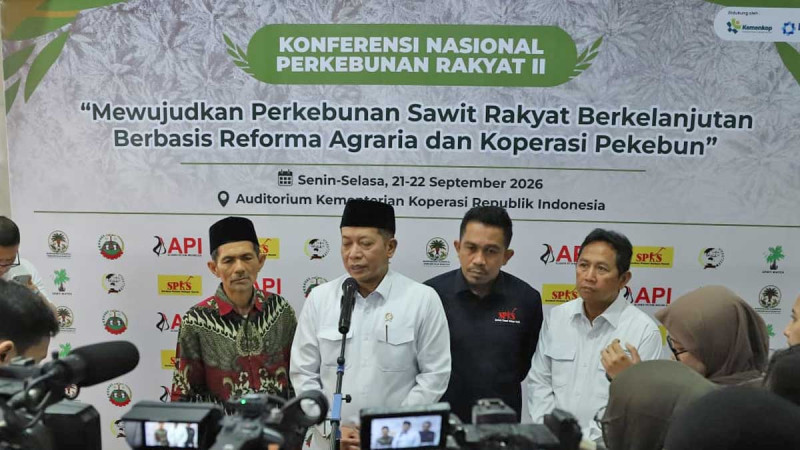
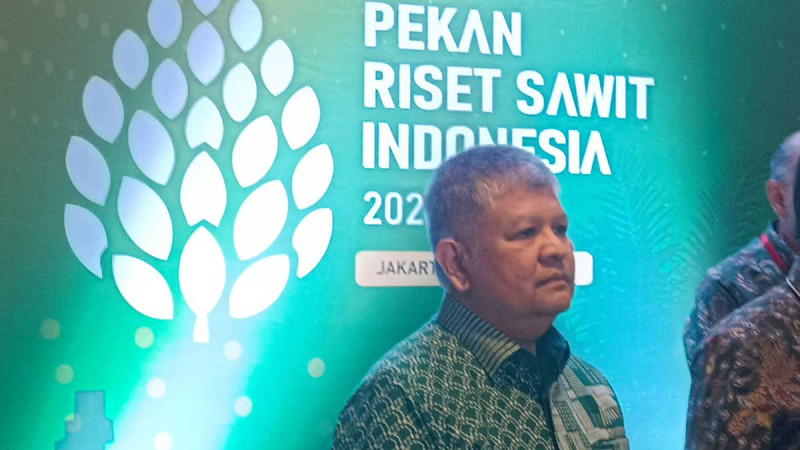
Speaking after the Indonesia Palm Oil Research Week (PERISAI) 2026, attended by InfoSAWIT on Monday (July 20), Dida Gardera, Expert Staff for Connectivity and Service Development at the Coordinating Ministry for Economic Affairs, said the government continues to assess the implementation of the B50 mandate, including its impact on palm oil fund revenues, exports, and farm-gate prices.
He added that authorities are also reviewing the accuracy of Indonesia's national palm oil production data to ensure future policy decisions are supported by more reliable information.
"The biodiesel mandate remains a government priority. At the same time, we continue to safeguard cooking oil availability while supporting the development of smallholder plantations," Dida said during a press conference in Jakarta.
According to Dida, Indonesia's experience with the B40 biodiesel program throughout 2025 resulted in an additional domestic demand of approximately 3–4 million metric tons of palm oil without disrupting the country's export performance.
"Exports continued to perform well, allowing Indonesia to maintain a healthy balance between domestic demand and international markets," he said.
He noted that the outcome demonstrates the biodiesel program's ability to increase the value of Indonesia's palm oil industry while preserving export competitiveness and ensuring adequate domestic cooking oil supplies.
In addition to financing biodiesel incentives, BPDP continues to allocate funds for a range of strategic initiatives, including cooking oil subsidies, research and development, human resource capacity building, scholarship programs, and the Smallholder Palm Oil Replanting Program (PSR).
Dida acknowledged that the replanting program still faces several administrative and implementation challenges. Nevertheless, the government remains committed to accelerating its execution.
"As long as budget requirements remain available, BPDP will continue financing priority programs, including the Smallholder Palm Oil Replanting Program," he said.
The government will also continue monitoring the broader impact of palm oil policies, including adjustments to export levy rates and their influence on crude palm oil (CPO) prices as well as fresh fruit bunch (FFB) prices received by smallholders.
According to Dida, the recent increase in export levy rates has not negatively affected Indonesia's palm oil market. Instead, FFB prices have continued to strengthen, supported by robust demand from both domestic processors and export markets.
"Fresh fruit bunch prices have continued to trend upward, indicating that the policies implemented so far have succeeded in maintaining a healthy balance across Indonesia's palm oil industry," Dida concluded. (T2)