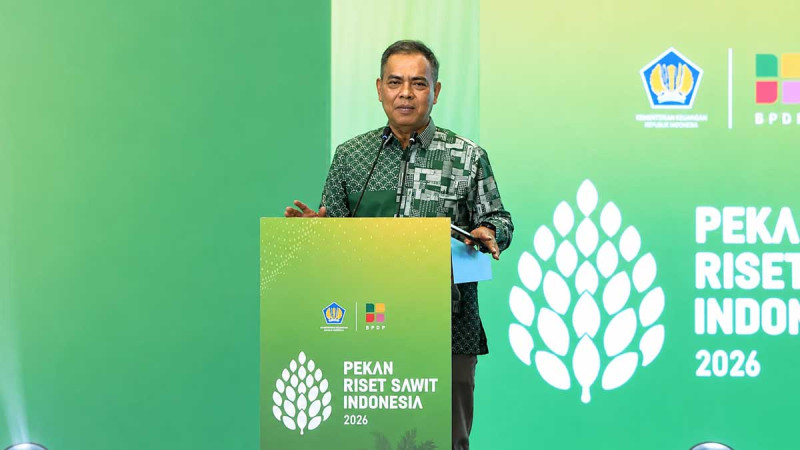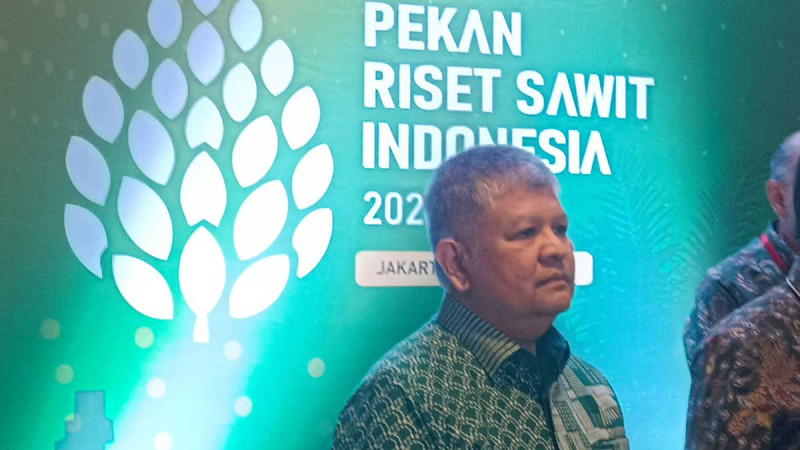
InfoSAWIT, JAKARTA – Indonesia’s oil palm research agenda must evolve beyond academic publications and deliver practical solutions that improve plantation productivity and strengthen the industry’s global competitiveness, according to PT Perkebunan Nusantara IV (PTPN IV) PalmCo President Director Jatmiko Krisna Santosa.
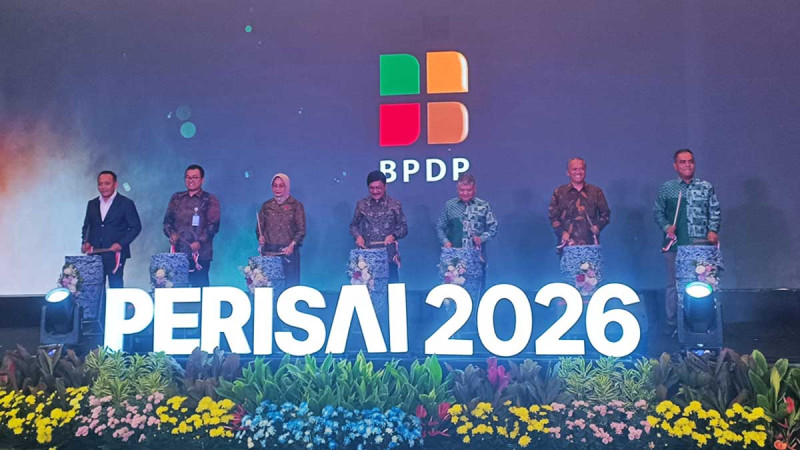
Speaking at the Indonesian Palm Oil Research Conference (PERISAI) 2026, attended by InfoSAWIT on Monday (July 20), Jatmiko said the national palm oil sector is facing a major paradox. While the government is accelerating downstream development and energy security through the implementation of the B50 biodiesel mandate, the industry must also remain competitive in export markets amid rising production costs and intensifying competition from other vegetable oils.
He described President Prabowo Subianto’s downstream industrialization policy as a strategic step toward achieving greater national energy independence. However, he emphasized that the policy’s success will depend on increasing plantation productivity and strengthening research that directly addresses industry needs.
According to Jatmiko, the nationwide implementation of B50 is expected to increase annual domestic palm oil demand by around 4 million tonnes, potentially reducing Indonesia’s CPO export volumes while supporting higher palm oil prices.
While stronger prices could benefit producers in the short term, he cautioned that they may also encourage subtropical countries to accelerate the development of alternative vegetable oils, particularly canola oil, leading to tougher competition in the global edible oils market.
"The industry cannot rely solely on high commodity prices. We need sustained improvements in productivity and efficiency to remain competitive," he said.
Jatmiko noted that Indonesia’s palm oil sector continues to face internal challenges, including rising fertilizer costs, increasing labor expenses, and plantation productivity that has yet to reach its full potential.
He stressed that palm oil research should focus on solving practical issues encountered by both companies and independent smallholders rather than producing scientific publications alone.
PalmCo has identified several key constraints among smallholder plantations, including the use of uncertified or low-quality planting materials, limited access to financing, unresolved land legality issues, weak traceability systems, insufficient certification, and the limited adoption of recommended agronomic practices.
At the corporate level, PalmCo sees further challenges in strengthening asset legality, enhancing international palm oil diplomacy, developing more predictable export pricing mechanisms, segmenting markets based on sustainability standards, and accelerating the commercialization of research outcomes to create greater value.
Jatmiko also underscored the importance of improving certification and monitoring systems to enhance product traceability, arguing that stronger auditing and verification mechanisms will reinforce international confidence in Indonesian palm oil.
"Research must provide tangible solutions for both industry and farmers. Large-scale implementation of innovation will be the key to improving productivity, competitiveness, and the long-term sustainability of Indonesia's palm oil sector," he concluded.
PalmCo remains optimistic that stronger collaboration among researchers, businesses, government institutions, and smallholders will enable Indonesia to successfully meet the challenges of downstream industrialization while maintaining its position as the world's leading palm oil producer. (T2)