InfoSAWIT, JAKARTA – The Council of Palm Oil Producing Countries (CPOPC) has called for closer alignment between ASEAN and APEC sustainability frameworks, arguing that harmonized standards are essential to strengthening global supply chains, facilitating trade, and improving the competitiveness of the palm oil industry.
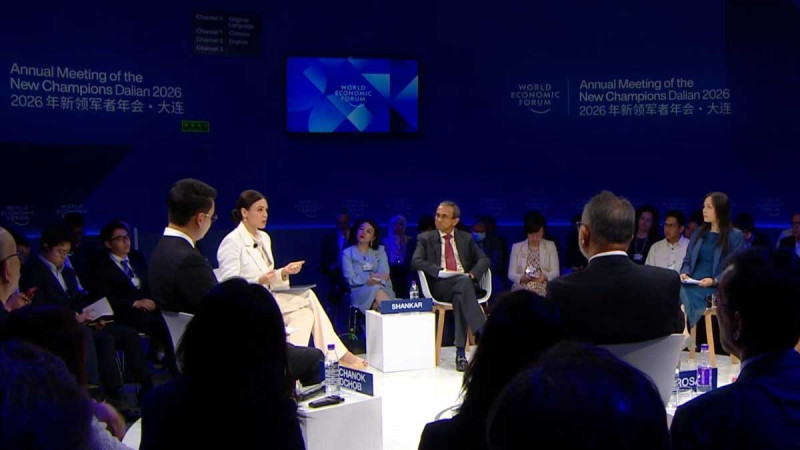
According to information published by CPOPC and obtained by InfoSAWIT on Friday (July 10), the proposal was presented by CPOPC Secretary-General Izzana Salleh during the World Economic Forum (WEF) Annual Meeting of the New Champions 2026 in the session titled "APEC, ASEAN and the Art of Alignment."
The discussion brought together representatives from the APEC Secretariat, the Government of Thailand, academia, and the private sector to explore policy coordination across the Asia-Pacific region.
During the session, Izzana emphasized that stronger policy alignment between ASEAN and APEC should generate tangible benefits for businesses by facilitating cross-border trade, enhancing supply chain resilience, and reducing compliance costs associated with increasingly complex sustainability regulations.
She noted that sustainability requirements, traceability systems, and certification standards have become critical determinants of market access for agricultural commodities, including palm oil.
However, the growing diversity of sustainability regulations across international markets has significantly increased compliance burdens, particularly for independent smallholders and small and medium-sized enterprises (SMEs) with limited financial and technical resources.
To address these challenges, CPOPC proposed the development of interoperable and trusted digital sustainability platforms capable of supporting mutual recognition of certification systems while improving transparency throughout the supply chain.
Such initiatives, the organization believes, would encourage broader participation in sustainable international trade while reducing duplication of compliance efforts across export markets.
The forum also provided CPOPC with an opportunity to reinforce the perspective of palm oil-producing countries amid evolving global trade and environmental policies.
The organization reaffirmed its commitment to promoting regional economic integration, supporting inclusive and sustainable trade, and building resilient supply chains through constructive international cooperation—efforts that are considered increasingly important as the global palm oil industry adapts to higher sustainability expectations and changing market dynamics. (T2)