

infoSAWIT News

Wilmar’s Net Profit Surges 38% in 2H2025, Industrial Segment Leads Growth
InfoSAWIT, SINGAPORE – Wilmar International Limited recorded strong financial performance in the second half of 2025. The leading Asian agribusiness group posted a 24% increase in core net profit to US$693.9 million in 2H2025, compared to US$558.2 million in the same period last year.
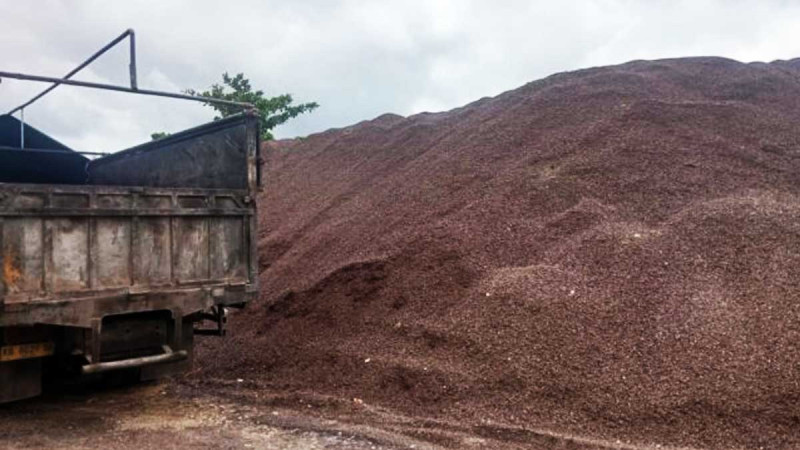
Massive Palm Kernel Shell Piles in Sekadau Raise Questions Over PT TBMS’ Legal Permits
InfoSAWIT, SEKADAU – Large-scale stockpiling of palm kernel shells in Peniti Village, Sekadau Regency, West Kalimantan, has sparked public concern over the legality of the operation. The materials, reportedly owned by PT Tinting Boyok Makmur Sawit (PT TBMS), have allegedly been stored in an open area since November 2025 without clear permit documentation.
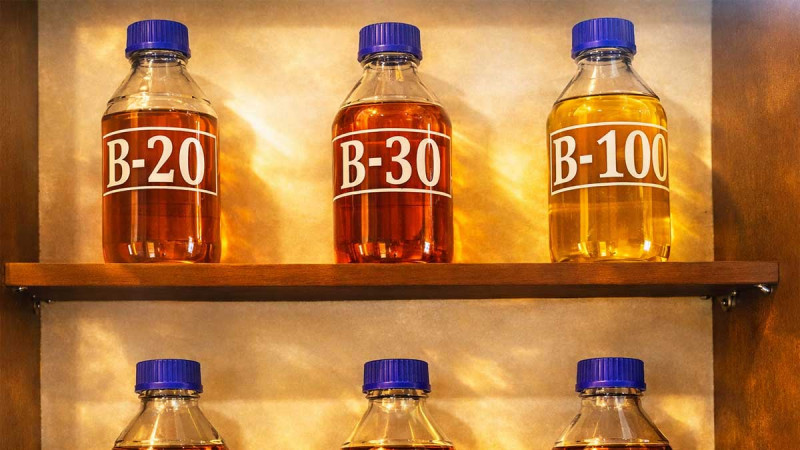
B40 Biodiesel Distribution Reaches 95.67% of 2025 Target, Aprobi Claims Rp133.3 Trillion in Forex Savings
InfoSAWIT, JAKARTA – The Indonesian Biofuel Producers Association (Aprobi) reported that the implementation of the B40 mandatory biodiesel program throughout 2025 achieved significant domestic distribution performance.
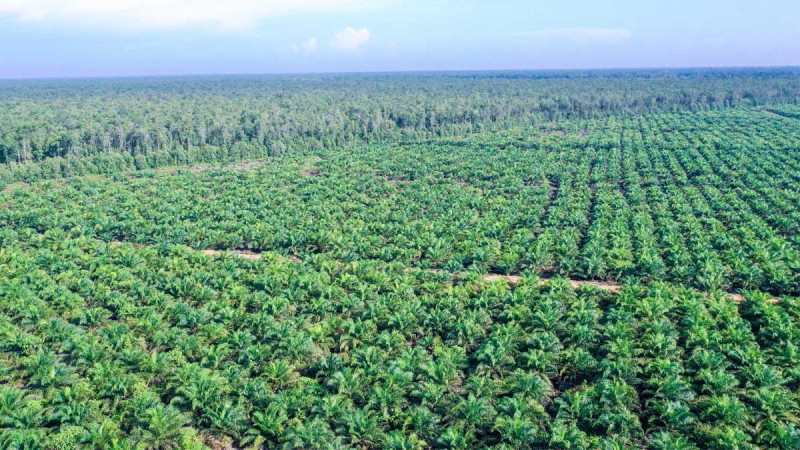
Ministry of Agriculture Pushes Downstream Expansion to Strengthen Palm Oil Economy
InfoSAWIT, JAKARTA – Indonesia’s Ministry of Agriculture is accelerating palm oil downstream development to increase domestic value-added and strengthen the country’s position in global markets.

The B50 Biodiesel Dilemma and Palm Oil Exports
InfoSAWIT, JAKARTA – The B50 program is projected as a symbol of energy sovereignty and a shield against the oil and gas trade deficit. Yet behind the optimism, the commodity balance sheet speaks more quietly—and more sharply. CPO production is stagnating, domestic demand is surging, and export space is narrowing. When one policy strengthens the energy sector, it simultaneously tests foreign exchange resilience. At this point, Indonesian palm oil enters its paradox: the greater the ambition for fuel production, the smaller its room as a source of export revenue.
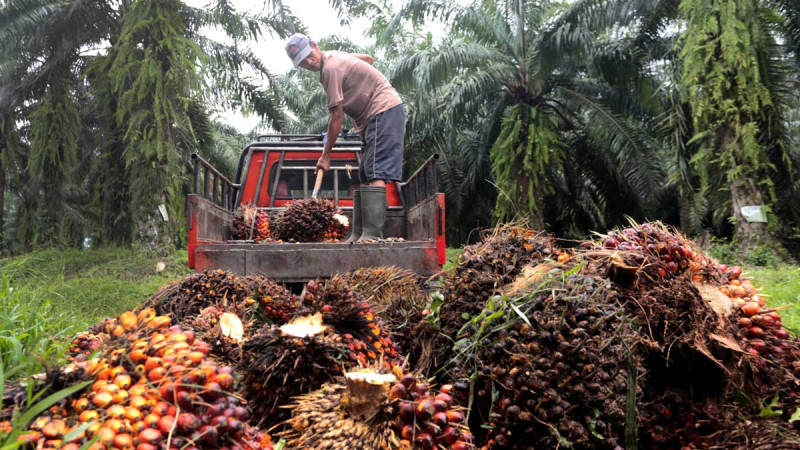
Jambi FFB Prices Decline by Rp22.71 per Kg for February 27 – March 5, 2026 Period
InfoSAWIT, JAMBI – The Jambi Provincial FFB Pricing Team has set lower oil palm FFB prices for the February 27 – March 5, 2026 period.
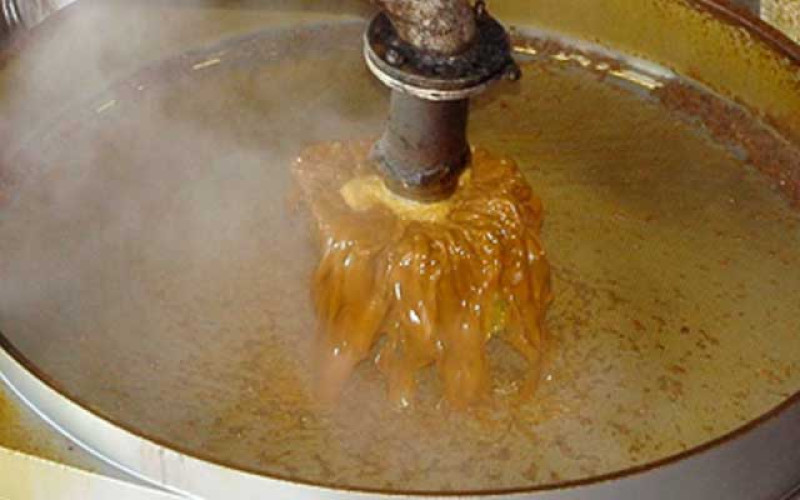
MPOB Projects CPO Prices to Remain Stable Around RM4,000 per Ton on Indonesia’s B50 Plan
InfoSAWIT, KUALA LUMPUR – Crude palm oil (CPO) prices are expected to remain stable in the near term at around RM4,000 per ton, supported by Indonesia’s plan to increase its biodiesel mandate to B50.
KPBN CPO Price Slips on February 26 as Malaysian Palm Oil Market Remains Weak
InfoSAWIT, JAKARTA – The crude palm oil (CPO) price at PT Kharisma Pemasaran Bersama Nusantara (KPBN) was set at Rp14,225/kg on Thursday (February 26, 2026), down Rp40/kg or approximately 0.28% from Rp14,265/kg on Wednesday.
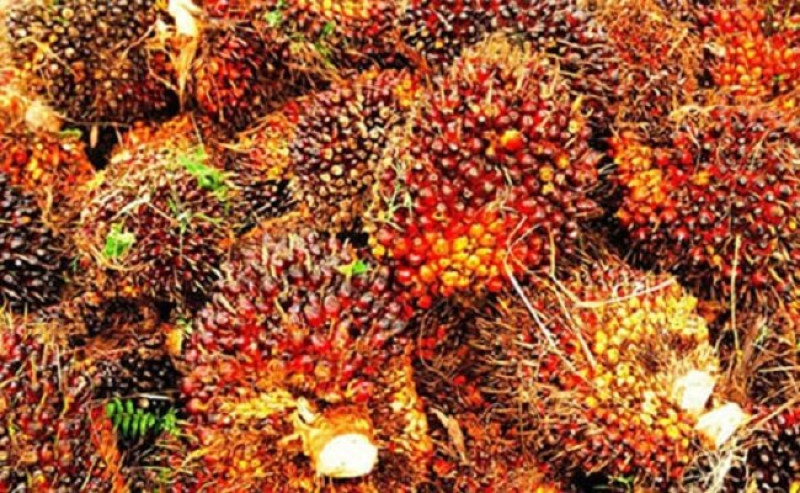
North Sumatra FFB Prices Edge Higher for February 25 – March 3, 2026 Period
InfoSAWIT, MEDAN – The North Sumatra Provincial Fresh Fruit Bunch (FFB) Pricing Team has set a slight increase in palm oil FFB prices for the February 25 – March 3, 2026 period.

India Cancels 75,000 Tons of Soybean Oil Imports as Profit-Taking Pressures Global Vegetable Oil Market
InfoSAWIT, NEW DELHI – India, the world’s largest soybean oil importer, has reportedly canceled several shipment contracts from South America following a sharp rally in international prices, as traders moved to lock in profits.

KPBN CPO Price Rises While Bursa Malaysia Futures Weaken
InfoSAWIT, JAKARTA – The crude palm oil (CPO) price at PT Kharisma Pemasaran Bersama Nusantara (KPBN) was set at Rp14,265 per kilogram on Wednesday (Feb 25, 2026), marking an increase of Rp80/kg or approximately 0.56 percent from Rp14,185/kg recorded on Tuesday (Feb 24, 2026).

Wild Elephant Herd Damages PT Arara Abadi Staff Housing in Siak
InfoSAWIT, SIAK – A herd of 13 wild elephants reportedly damaged staff housing facilities at PT Arara Abadi in Siak Regency, Riau, on Sunday (Feb 22, 2026), highlighting rising human–wildlife conflict in the region.
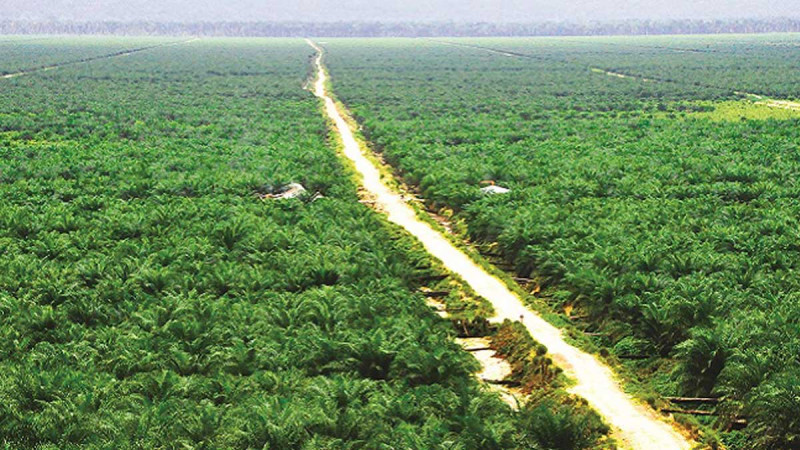
CSIS Study Highlights Need for Oil Palm Land Cap to Support Energy Transition
InfoSAWIT, JAKARTA – The Center for Strategic and International Studies (CSIS), in collaboration with several non-governmental organizations, has released a working paper titled Cap on Oil Palm Acreage in Indonesia Based on Environmental Carrying Capacity for Decarbonisation Strategies.
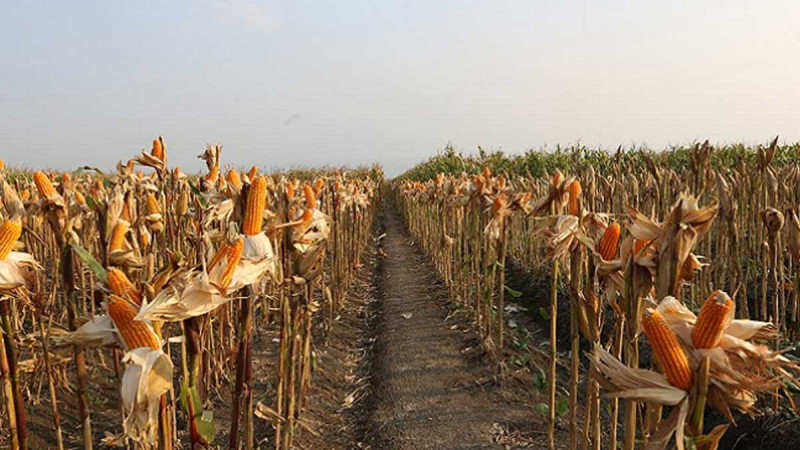
USDA Forecasts Lower Corn Planting but Higher Soybean Acreage in 2026
InfoSAWIT, ARLINGTON – The United States Department of Agriculture (USDA) projects that American farmers will plant around 94 million acres of corn and 85 million acres of soybeans during the 2026 spring planting season.

Indonesia Urges EU Compliance with WTO Ruling in Palm Oil Dispute
InfoSAWIT, JAKARTA – The Indonesian government has urged the European Union (EU) to immediately comply with the World Trade Organization (WTO) Dispute Settlement Panel ruling related to the palm oil dispute (DS593: EU–Palm Oil), following the expiry of the 12-month reasonable period of time (RPT) on Tuesday (Feb 24, 2026).
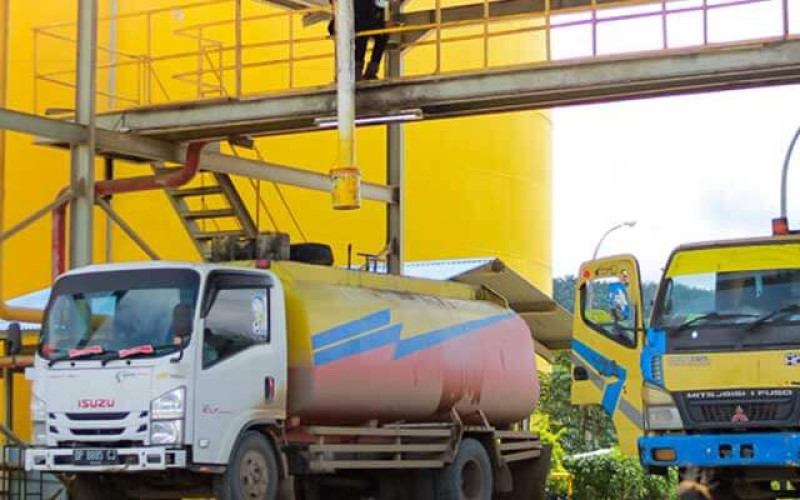
Lower Malaysian Output May Support Palm Oil Prices Through 2026
InfoSAWIT, KUALA LUMPUR – Crude palm oil (CPO) and palm kernel (PK) prices are expected to remain firm through 2026, supported by a moderate decline in Malaysian production and tightening global lauric oil supply.
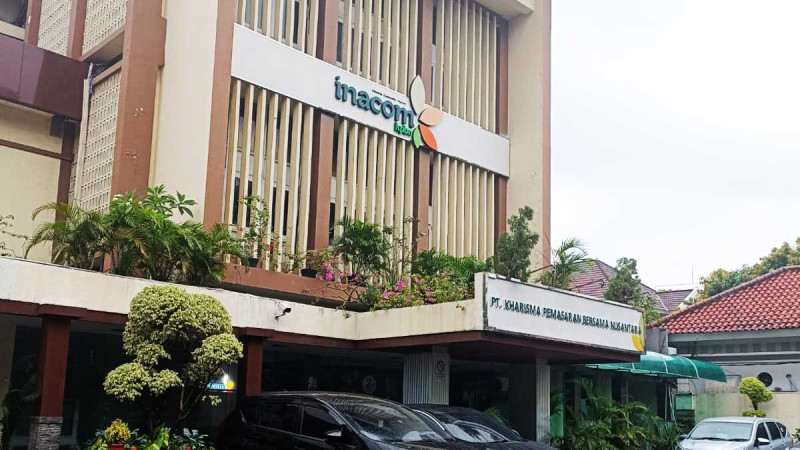
KPBN CPO Prices Rise on February 24 as Bursa Malaysia Market Weakens
InfoSAWIT, JAKARTA – Crude palm oil (CPO) prices set by PT Kharisma Pemasaran Bersama Nusantara (KPBN) rose to Rp14,185/kg on Tuesday (Feb 24, 2026), marking an increase of Rp85/kg or approximately 0.60% compared to Rp14,100/kg recorded a day earlier.

Palm Oil Remains Strategic Commodity as State Takes Over 829 Hectares of Illegal Plantations
InfoSAWIT, PASANGKAYU – West Sulawesi Governor Suhardi Duka emphasized that the palm oil plantation sector remains one of Indonesia’s strategic commodities, both in terms of national economic contribution and its role in global commodity dynamics.
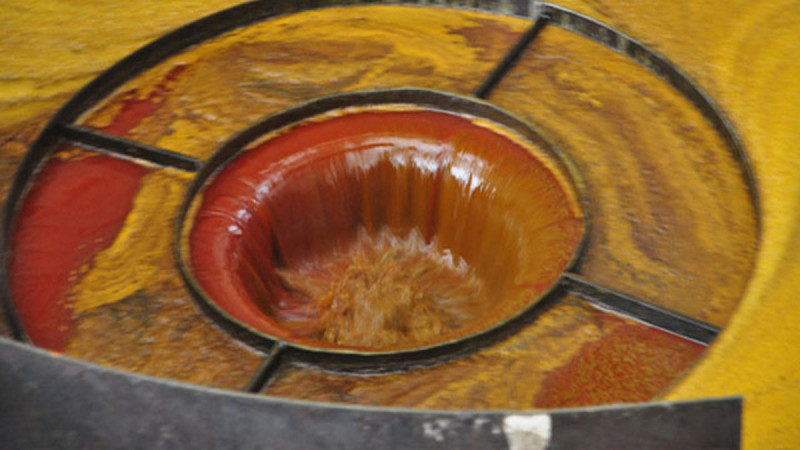
MPOC Projects CPO Prices to Range Between RM4,000–RM4,300 per Tonne in March 2026
InfoSAWIT, KUALA LUMPUR – Crude palm oil (CPO) prices are projected to move within a consolidated range of RM4,000 to RM4,300 per tonne throughout March 2026, supported by tighter short-term supply, stronger demand from India, and resilient US soybean oil prices.

Riau Independent Smallholders’ FFB Prices Drop by Rp144.82/kg for February 25 – March 3, 2026
InfoSAWIT, PEKANBARU – The Fresh Fruit Bunch (FFB) price-setting team for independent smallholders in Riau Province has agreed to lower the FFB price for the February 25 to March 3, 2026 period.