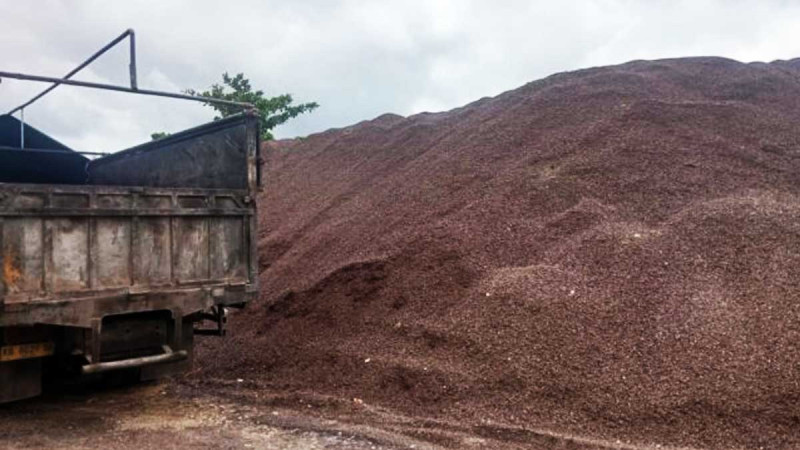
InfoSAWIT, SEKADAU – Large-scale stockpiling of palm kernel shells in Peniti Village, Sekadau Regency, West Kalimantan, has sparked public concern over the legality of the operation. The materials, reportedly owned by PT Tinting Boyok Makmur Sawit (PT TBMS), have allegedly been stored in an open area since November 2025 without clear permit documentation.
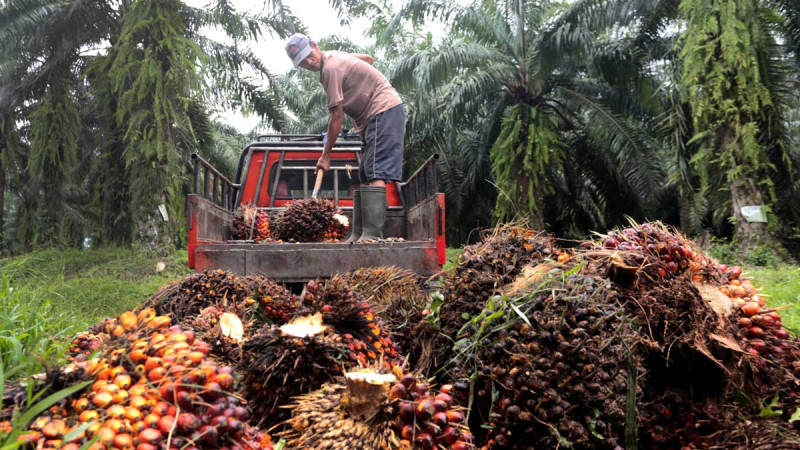
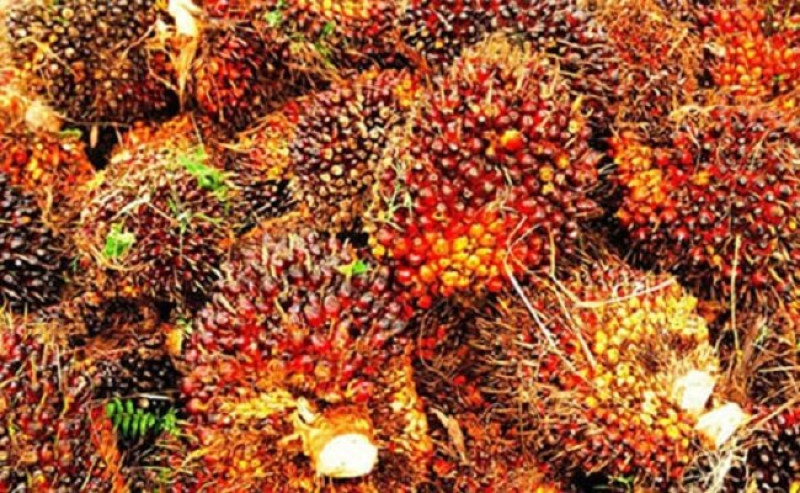
Field observations show dozens of tons of palm kernel shells piled along the roadside in an open storage area visible to passing motorists. The materials were reportedly purchased from PT TBMS and intended for shipment to Pontianak. However, prior to transportation, the shells remained stockpiled for an extended period.
The situation has raised questions regarding compliance with warehousing and spatial planning regulations. Under prevailing rules, large-scale storage activities—including open-yard stockpiling—must meet specific administrative and technical requirements.
According to a report by Radar Kalbar cited by InfoSAWIT on Saturday (28/2/2026), one mandatory document is the Warehouse Registration Certificate (TDG). Ministry of Trade regulations require open yards used for bulk storage to possess a TDG as proof of operational legality.
Spatial conformity requirements, known as Spatial Utilization Activity Conformity (KKPR), also apply. Storage locations must align with local spatial planning (RTRW) to avoid land-use violations.
From an environmental standpoint, stockpiling organic materials such as palm kernel shells may pose risks including dust pollution, odor, and runoff contamination during rainfall. Therefore, such activities should be supported by environmental documents such as UKL-UPL or AMDAL, depending on scale and impact.
As of publication, the shell owner has not issued an official clarification regarding the possession of a TDG or environmental permits. The lack of response has prompted calls for local authorities and law enforcement to conduct on-site verification to ensure regulatory compliance. (T2)