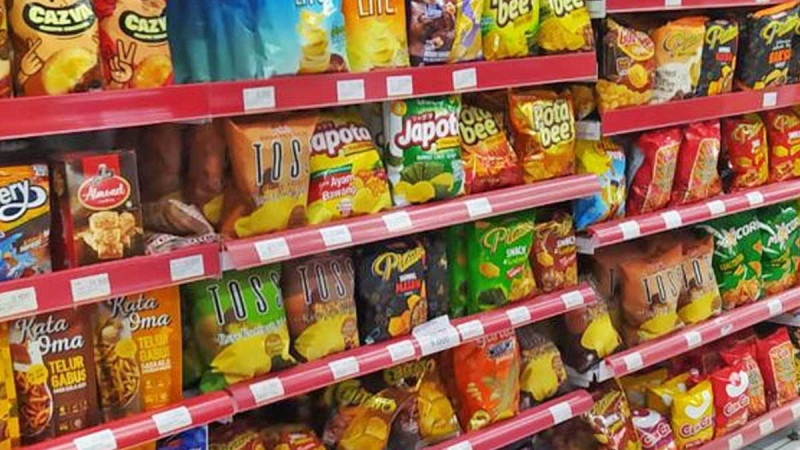
InfoSAWIT, MUMBAI – Palm oil continues to dominate the global packaged snack food industry, thanks to its unique combination of cost efficiency, functional performance, and long shelf life. From potato chips and crackers to biscuits and baked goods, the versatile vegetable oil remains a key ingredient for food manufacturers worldwide.
According to a report by Times of India, palm oil offers several advantages that make it difficult to replace in modern food processing, despite increasing consumer attention to sustainability and ingredient sourcing.
One of its most valuable characteristics is its excellent oxidative stability. Palm oil is naturally resistant to rancidity, helping packaged foods maintain freshness, flavor, and texture over extended storage and distribution periods. This makes it particularly suitable for products with long shelf lives.
Its relatively neutral taste is another important advantage. Unlike some vegetable oils that may alter a product's flavor profile, palm oil allows manufacturers to preserve the original taste of both sweet and savory snacks, including cookies, cakes, crackers, and fried foods.
Economically, palm oil remains one of the world's most competitive edible oils. Oil palm produces significantly more oil per hectare than competing oilseed crops, enabling manufacturers to secure a reliable supply of vegetable oil at comparatively lower production costs.
Palm oil's semi-solid consistency at room temperature also contributes to desirable product textures. It helps create crispy chips, tender baked products, and stable fillings without requiring hydrogenation, making it an attractive ingredient across multiple food categories.
The report also notes that palm oil contains naturally occurring antioxidants, which help slow product deterioration and reduce the need for synthetic preservatives. This aligns with growing consumer demand for foods featuring simpler ingredient labels.
For deep-frying applications, palm oil's high smoke point allows it to withstand prolonged exposure to high temperatures while maintaining product quality and food safety. These characteristics have made it a preferred frying medium for snack manufacturers around the world.
Another major strength is supply reliability. Indonesia and Malaysia, the world's two largest palm oil producers, provide a stable global supply chain capable of meeting growing food industry demand. At the same time, increasing availability of Certified Sustainable Palm Oil (CSPO) offers manufacturers an opportunity to source responsibly produced palm oil while addressing environmental concerns.
According to the report, palm oil remains unmatched in its ability to combine affordability, product stability, and manufacturing flexibility. As demand for packaged foods continues to expand globally, sustainably produced palm oil is expected to remain an essential ingredient for the food industry while supporting broader sustainability commitments. (T2)
Source: Times of India