InfoSAWIT, JAKARTA – Indonesia’s Ministry of Agriculture is accelerating palm oil downstream development to increase domestic value-added and strengthen the country’s position in global markets.
Minister of Agriculture Andi Amran Sulaiman emphasized that palm oil remains one of Indonesia’s key economic pillars.
“Palm oil is one of Indonesia’s major strengths. Its high productivity and land efficiency enable it to drive economic growth from rural communities to large-scale industries,” he said in an official statement on Friday (February 27, 2026).
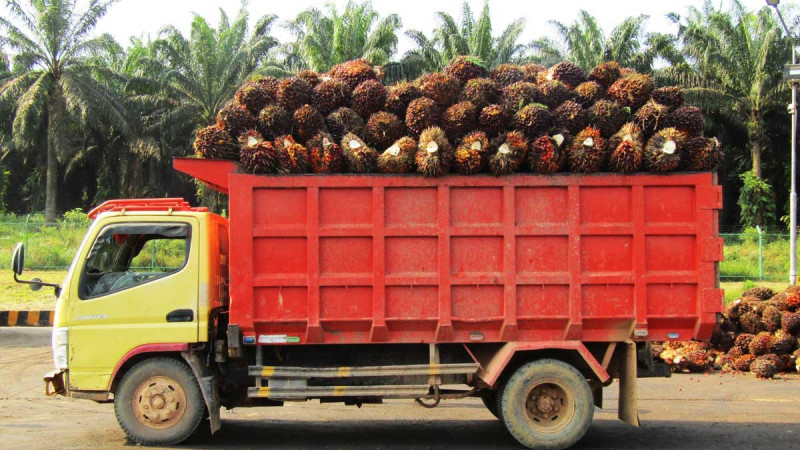
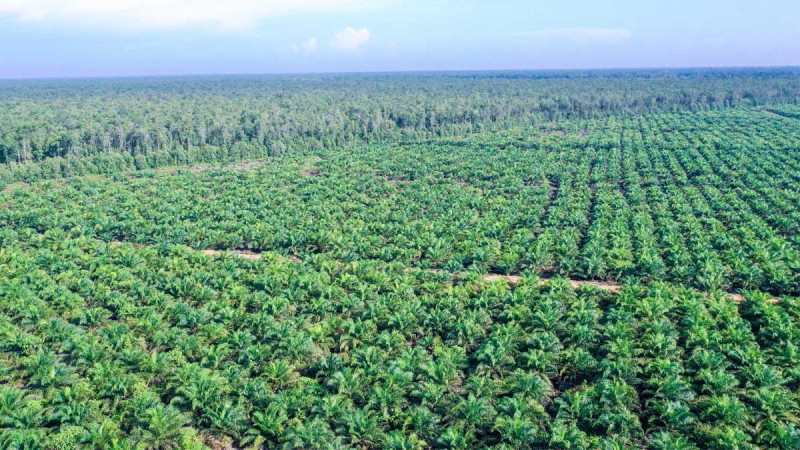
According to Directorate General of Estates data, Indonesia’s oil palm area reached 16.83 million hectares in 2024–2025. In 2024, CPO production totaled 45.44 million tons with average productivity of 3.5 tons per hectare.
Riau led national output with 9.14 million tons, followed by Central Kalimantan (7.46 million tons), West Kalimantan (4.96 million tons), and East Kalimantan (3.90 million tons).
In 2025, production rose to 46.55 million tons, while exports climbed to 36.37 million tons valued at US$28.50 billion.
Acting Director General of Estates Abdul Roni Angkat stressed that palm oil’s superior oil yield per hectare makes it the most land-efficient vegetable oil crop.
Downstream development, including food products, oleochemicals, and bioenergy, is seen as key to expanding domestic economic benefits while maintaining sustainability standards and improving smallholder productivity.
With an integrated upstream-to-downstream strategy, the ministry remains optimistic that palm oil will continue to anchor Indonesia’s plantation-based industrial growth. (T2)