InfoSAWIT, JAKARTA – The European Union's decision to exclude palm oil waste from the scope of the European Union Deforestation Regulation (EUDR) is expected to create new opportunities for the palm oil industry's circular economy, encouraging greater utilization of biomass and processing residues for higher-value applications.
The latest revision to the EUDR implementation framework removes several products—including leather and palm oil waste—from the regulation's due diligence requirements, providing greater flexibility for international trade involving these by-products.
For the palm oil sector, the move represents a significant opportunity to expand markets for biomass materials generated throughout the production process.
According to the Roundtable on Sustainable Palm Oil (RSPO), palm oil waste has traditionally been used in Europe as a feedstock for biofuel production. However, its potential extends far beyond renewable fuels, offering valuable applications in sustainable agriculture, soil improvement, and livestock production.
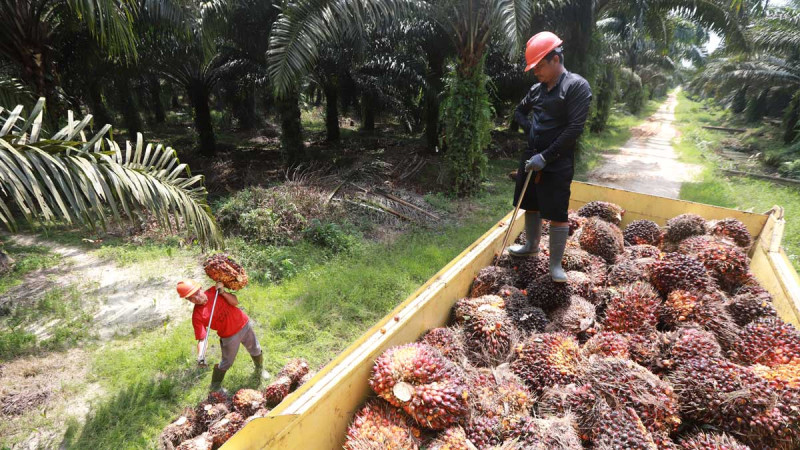
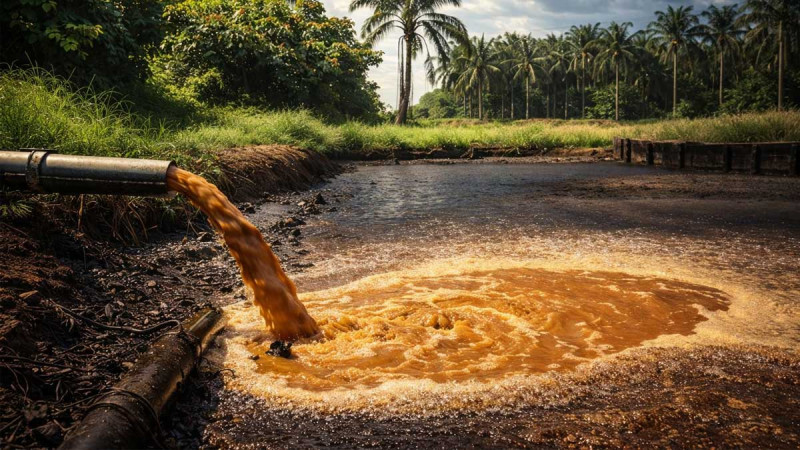
Palm oil processing generates substantial volumes of biomass, including empty fruit bunches (EFB), oil palm trunks, fronds, and Palm Oil Mill Effluent (POME). In many cases, the quantity of these by-products exceeds the volume of crude palm oil itself.
Data cited from Imperial College London indicate that producing one tonne of palm oil generates approximately 1.1 tonnes of empty fruit bunches, highlighting the scale of biomass available for value-added processing.
If left unmanaged, these residues can contribute to environmental challenges, including methane emissions and air pollution from open burning. However, when properly utilized, they become valuable resources within a circular economy model.
The RSPO notes that empty fruit bunches can be converted into biochar, a carbon-rich soil amendment that improves soil fertility, enhances water retention, and supports agricultural productivity.
POME and EFB can also be processed into organic fertilizers. Research published in Frontiers shows that empty fruit bunches contain essential plant nutrients such as nitrogen, phosphorus, potassium, and magnesium, making them suitable for compost production and soil enrichment.
Meanwhile, oil palm trunks generated during replanting can also be composted, while oil palm fronds contain around 70% fiber and 22% soluble carbohydrates, giving them potential as livestock feed within integrated farming systems.
According to the RSPO, reusing palm oil by-products delivers multiple benefits, including lower production costs, additional income streams for companies and independent smallholders, and meaningful contributions to climate change mitigation.
With palm oil waste no longer subject to the EUDR's complex due diligence requirements, exports of palm biomass products to the European market are expected to become more efficient. The policy is also likely to stimulate new investments in downstream processing industries focused on renewable materials, organic fertilizers, biochar, and other sustainable products.
For major palm oil-producing countries such as Indonesia, the decision represents an opportunity to maximize the value of every part of the oil palm crop while strengthening the industry's transition toward a more circular, resource-efficient, and sustainable production model. (T2)
Source: Foodnavigator