InfoSAWIT, JAKARTA – Differences in land topography can influence oil palm productivity, with flat areas and terraced or sloping land presenting different soil characteristics and operational challenges.
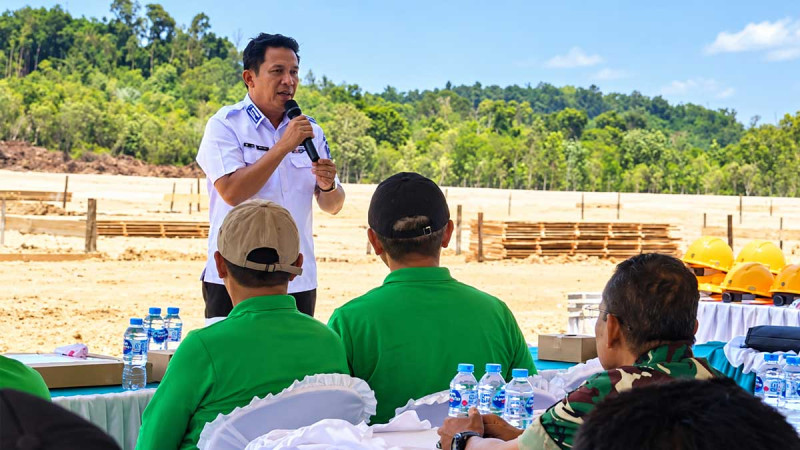
The issue was raised by Marlon Sitanggang, Head Agronomy at PT Union Sampoerna Triputra Persada, during IPS Planters Talk 2026, themed “From High Yield Estate to Sustainable Excellence”, attended by InfoSAWIT on Saturday (September 26, 2026).
Marlon said productivity differences between flat and sloping areas should not simply be attributed to the presence of terraces. Even when terraces are properly constructed, soil conditions may remain different from those found on flat land.
Topsoil Supports Nutrient Availability
One important difference is the amount and condition of topsoil. According to Marlon, flat areas generally retain more topsoil than areas affected by slopes and terracing.
Topsoil contains organic matter that contributes to the formation of soil colloids. These colloids help retain nutrients supplied through fertilization, allowing them to remain available to plants and potentially supporting growth and productivity.
However, Marlon stressed that lower productivity potential in sloping areas does not mean such land cannot be optimized.
The comparison, he said, needs to consider similar agronomic and operational management, including pest management practices, crop maintenance, fertilization and plant physiological factors.
Harvest Losses Add Another Challenge
Topography can also affect harvesting operations. On terraced land, harvested bunches and loose fruits may move or roll away after falling, making collection more difficult.
“Bunches and loose fruits can roll, and that will affect harvesting results,” Marlon said.
As a result, productivity comparisons should consider both agronomic and operational factors. Soil characteristics and topsoil availability affect nutrient management, while terrain can influence harvesting efficiency and potential losses.
Marlon said seed supplier production potential can still serve as a reference, but actual field performance ultimately depends on site conditions and how the plantation is managed.
The assessment of oil palm productivity, therefore, needs to look beyond production figures and consider the interaction between soil characteristics, plantation management and field operating conditions. (T2)