InfoSAWIT, JAKARTA – Indonesia’s House of Representatives (DPR RI) and the government have agreed to change the proposed name of the national agrarian reform agency from the National Agrarian Reform Agency (BRAN) to the Agrarian Reform Implementation Agency (LPRA) as part of the Agrarian Reform Bill.
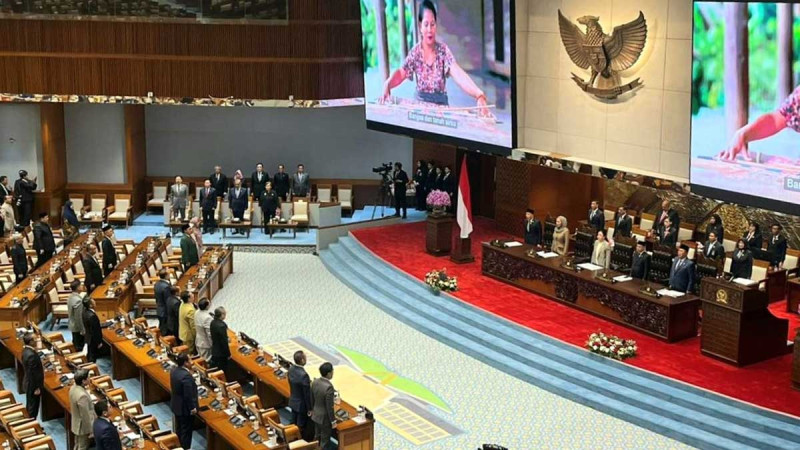
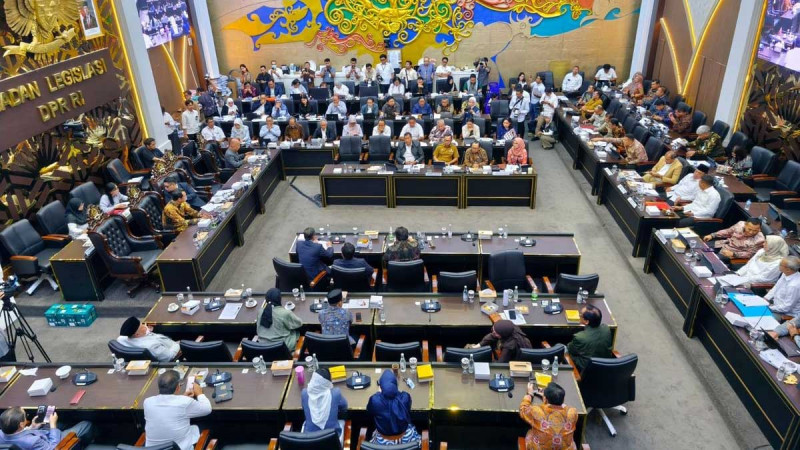
The change was announced by Deputy Chairman of the DPR Legislative Body (Baleg), Sturman Panjaitan, while presenting the report of the Drafting Team and Synchronization Team during a working committee meeting on the Agrarian Reform Bill in Jakarta on Monday, September 21, 2026.
The revised nomenclature is included in Article 1, paragraph 4 of the draft legislation. The committee also agreed on definitions related to priority locations and beneficiaries of agrarian reform.
One of the definitions concerns Priority Agrarian Reform Locations (LPRA), referring to locations or areas prioritized for the implementation of agrarian reform. The draft also defines agrarian reform beneficiaries as recipients of agrarian reform objects who meet the requirements to be formally designated as beneficiaries.
LPRA to Report Directly to the President
Chairman of the Agrarian Reform Bill Working Committee, Ahmad Iman Sukri, said the proposed LPRA would be placed under and accountable to the President.
The institution is designed to have authority covering the planning, implementation and supervision of agrarian reform, as well as the resolution of agrarian conflicts.
The proposed institutional framework therefore extends beyond land redistribution. It is designed to provide an institutional mechanism covering the broader agrarian reform process, from planning to conflict resolution.
The bill also establishes a roadmap for agrarian reform, covering policy direction, targets, implementation stages, priorities, strategies and performance indicators.
In addition, the working committee agreed to establish a supervisory board intended to strengthen transparency, public participation, accountability and the effectiveness of agrarian reform implementation.
Nomenclature Became a Point of Debate
The change from BRAN to LPRA followed earlier discussions between lawmakers and the government over the proposed institutional framework.
While the parties had discussed the agency’s duties, functions and authorities, differences remained over whether the institution’s specific nomenclature should be written directly into the legislation.
The government subsequently indicated that the establishment and nomenclature of the institution could be determined through a presidential regulation, giving the executive branch room to determine the agency’s eventual form and name through implementing regulations.
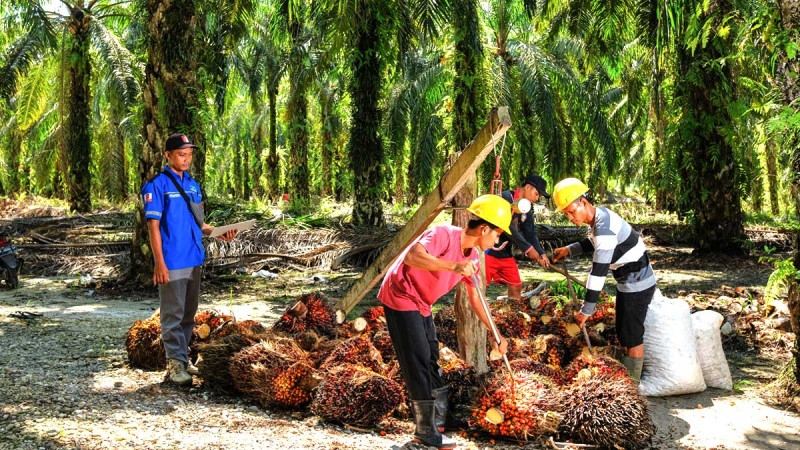
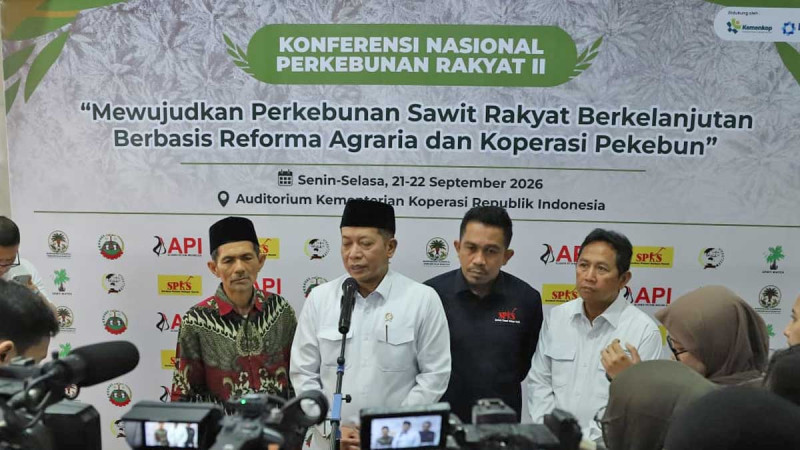
The agrarian reform framework is also relevant to Indonesia’s plantation sector, including oil palm smallholders, particularly in relation to land tenure, land management, agrarian conflict resolution and the institutional implementation of reform.
The draft legislation was subsequently prepared for consideration by the DPR plenary session and consisted of 14 chapters and 53 articles. (T2)
Source: InfoSAWIT, Kompas