InfoSAWIT, JAKARTA – Sulawesi has exceeded its environmental carrying and assimilative capacity since 2024, according to a study by the Center of Economic and Law Studies (CELIOS), which highlights growing pressure from mining, oil palm plantations, nickel processing facilities and captive power plants across the island.
In an official statement received by InfoSAWIT on Friday (25/9/2026), CELIOS said Sulawesi recorded an aggregate score of 4.5 out of 5 based on assessments covering air, water, land, social conditions and policy controls. The score places the region in the category of having exceeded its ecological limits.
The findings were presented in a report titled “Melampaui Batas: Kegagalan Daya Dukung dan Daya Tampung Lingkungan Hidup (D3TLH) Mengendalikan Ekspansi Industri Ekstraktif di Sulawesi.” The study examined developments in mining, plantations, smelters, captive coal-fired power plants and industrial areas between 2014 and 2024.
CELIOS researcher Muhamad Saleh said the issue was not only the increasing ecological pressure but also the limited effectiveness of regulations in translating D3TLH status into binding legal measures.
According to CELIOS, an area being classified as having exceeded its ecological limits does not automatically trigger a halt to new permits, reviews of existing permits or mandatory environmental restoration.
Mining Permits and Deforestation
The study recorded 574 new mining permits issued in Sulawesi between 2014 and 2024. Around 60% of them were reportedly issued during the final two years of the period, when ecological pressure had already intensified.
CELIOS also identified 277 new mining permits covering approximately 440,998 hectares in areas classified as ecologically critical.
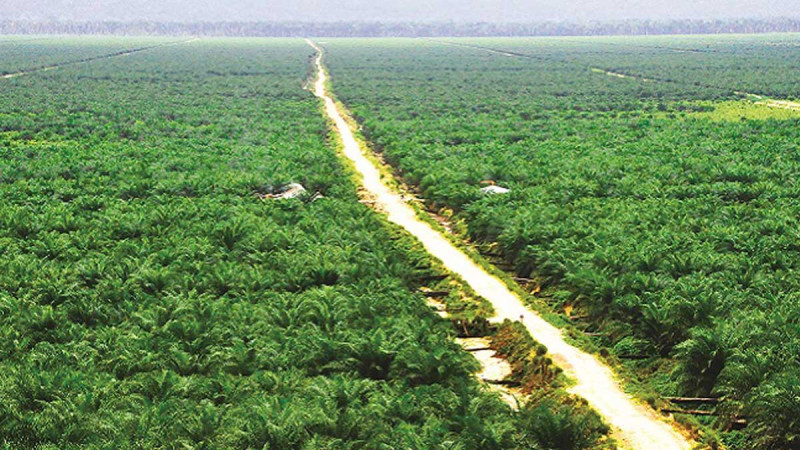
Meanwhile, mining and oil palm plantations accounted for an estimated 82.2% of deforestation in Sulawesi between 2014 and 2023, according to the study.
The report also highlighted the concentration of nickel-processing facilities and captive power capacity in Central Sulawesi and Southeast Sulawesi, along with social and health impacts associated with industrial expansion.
CELIOS estimated cumulative ecological losses from extractive industry expansion in Sulawesi at more than Rp100 trillion.
The organization called for stronger D3TLH regulations, including clear legal consequences for areas that have exceeded ecological limits, greater transparency of environmental and licensing data, evaluation of existing permits and restoration obligations. (T2)