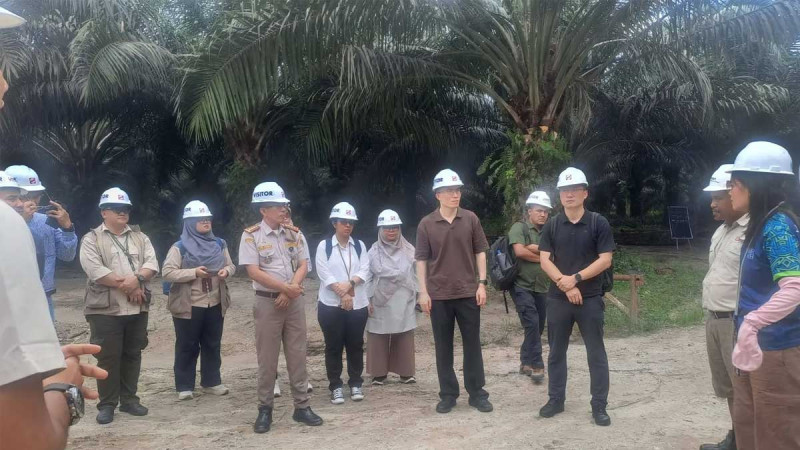
InfoSAWIT, PEKANBARU – Indonesia is stepping up efforts to strengthen palm oil exports to China by ensuring compliance with international food safety standards. One of the latest initiatives is the General Administration of Customs of China (GACC) audit conducted at an oil palm plantation in Riau Province, with technical assistance from Indonesia's Quarantine Agency.
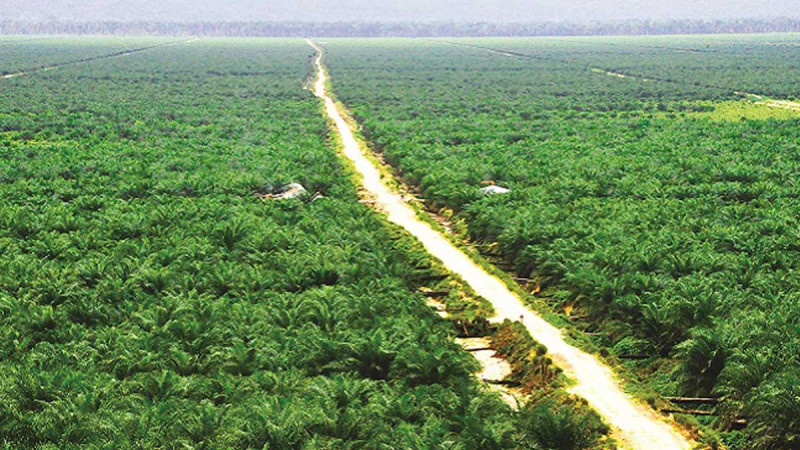
The audit forms part of the verification process required for plantations seeking approval to supply palm oil products to the Chinese market. During the assessment, auditors evaluated the plantation's food safety management system, implementation of good agricultural practices, and product traceability from plantation to export.
Head of Riau Quarantine, Abdur Rohman, attended the audit to oversee the verification process and assist the company in meeting China's import requirements.
The inspection covered a broad range of plantation management practices, including fertilizer application, pesticide management, agricultural chemical storage, and compliance with internationally recognized cultivation standards.
In addition to field inspections, the GACC audit team reviewed the company's documentation, focusing on its implementation of Good Agricultural Practices (GAP), traceability systems, production input records, and food safety management procedures.
According to Abdur Rohman, Indonesia's Quarantine Agency plays a strategic role in ensuring exporters meet the sanitary and phytosanitary standards required by trading partners. The agency also supports companies in controlling plant pests and quarantine organisms while ensuring exported commodities comply with destination-country regulations.
"Our assistance reflects Riau Quarantine's commitment to helping exporters meet China's technical requirements while enhancing the competitiveness of Indonesia's plantation commodities in the international market," Abdur said, as quoted by InfoSAWIT from the Indonesian Quarantine Agency.
He added that food safety has become one of the key benchmarks in global agricultural trade. As a result, companies must establish reliable traceability systems, maintain comprehensive production records, and implement consistent quality assurance measures throughout the supply chain.
The successful completion of GACC audits is expected to enable more Indonesian oil palm plantations to gain access to the Chinese market, further strengthening the country's position as one of the world's leading suppliers of palm oil capable of meeting increasingly stringent international standards for food safety, transparency, and sustainability. (T2)