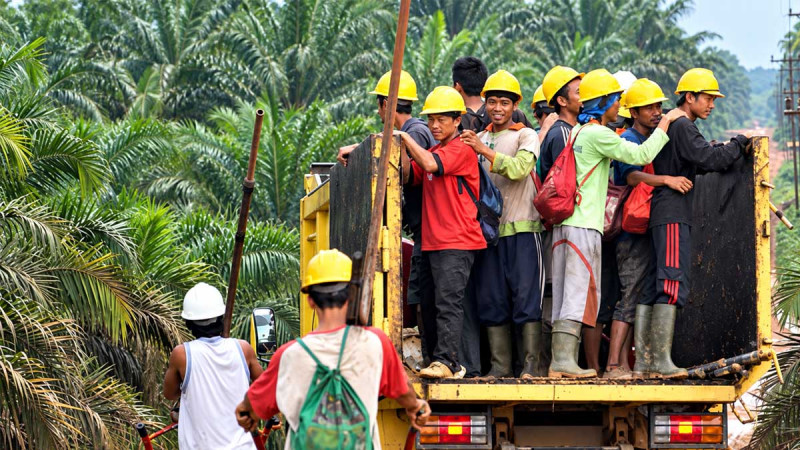
InfoSAWIT, PONTIANAK – The ongoing debate over Indonesia’s Employment Protection Bill has brought renewed attention to occupational safety, wages, employment status and worker protection in the palm oil plantation sector.
Teraju Indonesia, an organization focused on worker advocacy, has submitted several observations concerning provisions in the draft bill, particularly those affecting workers in palm oil plantations and bauxite mining.
The organization reviewed the draft legislation and highlighted several provisions that it believes require further consideration as discussions continue in Indonesia’s House of Representatives.
According to information from the House of Representatives, the Employment Protection Bill entered the first-level deliberation stage through the establishment of a working committee under Commission IX on September 14, 2026. The House said the bill follows Constitutional Court Decision No. 168/PUU-XXI/2023 and consists of 20 chapters and 264 articles.
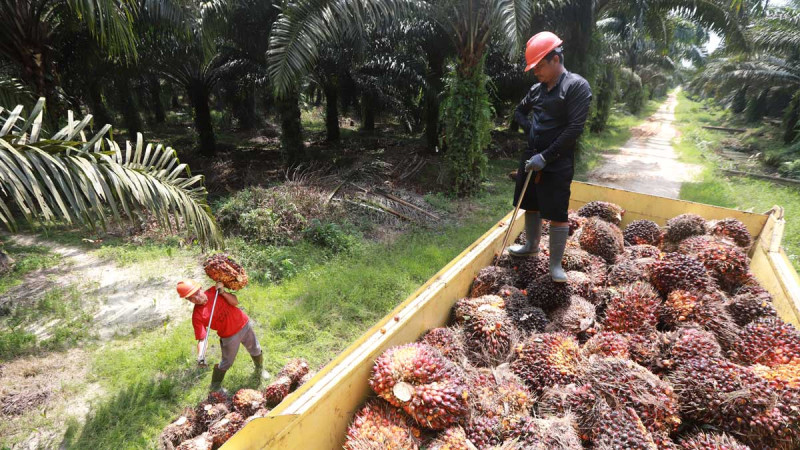
One of Teraju Indonesia’s concerns relates to occupational safety and health requirements. Its analysis discusses provisions requiring companies to implement workplace safety systems, including hazard identification, risk assessment, personal protective equipment, first-aid facilities, safety training, accident reporting and periodic health examinations.
Teraju also questioned the legal consequences when violations of safety obligations result in serious injuries, disabilities or fatalities. The organization’s position represents its analysis of the draft bill and does not constitute provisions already in force.
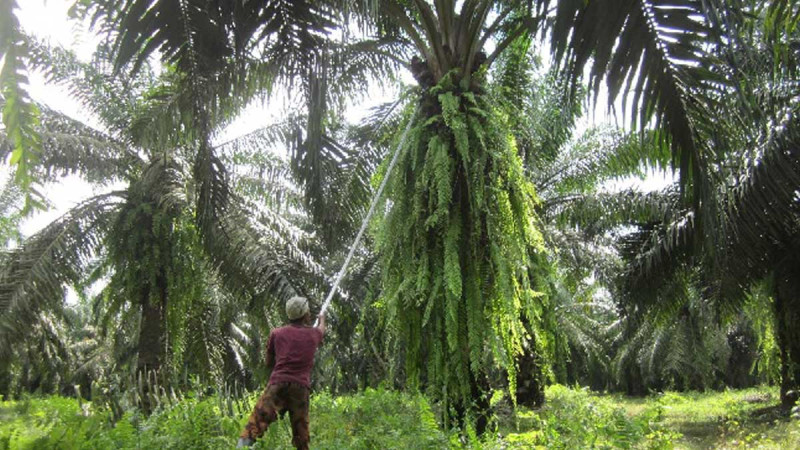
Wage arrangements are another issue under discussion. Teraju examined provisions allowing wages to be determined based on time and/or output. The organization noted that output-based payment could create difficulties when production is disrupted by factors outside workers’ control, such as weather, fruit availability or equipment failures.
For palm oil workers, Teraju cited payment systems based on fresh fruit bunch tonnage as an example.
The organization also raised concerns over minimum sectoral wages, “no work, no pay” provisions, fixed-term employment contracts and outsourcing.
Meanwhile, lawmakers have said the bill is intended to strengthen worker protection while providing greater legal certainty for businesses.
The legislation remains under discussion, with occupational safety, wages, employment status and worker protection among the issues being examined before any final regulation is adopted. (T2)
Source: InfoSAWIT