InfoSAWIT, JAKARTA – Companies placing commodities linked to deforestation on the European Union market have been given additional time to prepare for compliance with the European Union Deforestation Regulation (EUDR) following changes to the regulation.
The revised framework postpones implementation for certain operators while also simplifying several due diligence requirements across the supply chain.
According to information cited in the source material, the changes were informally agreed by the European Parliament and EU member states on December 4, 2025. The European Parliament subsequently adopted the changes with 405 votes in favor, 242 against and eight abstentions. The amendments became part of Regulation (EU) 2025/2650, published in the Official Journal of the European Union on December 23, 2025.
Large Operators Face Compliance from December 2026
One of the main changes is the extension of the preparation period for businesses covered by the regulation.
For large operators and traders, EUDR obligations will apply from December 30, 2026. Micro and small enterprises receive additional time, with their obligations applying from June 30, 2027.
The additional time is intended to give companies, producing countries and relevant authorities more opportunity to prepare compliance systems. Improvements to the EU’s digital information system are also part of the considerations behind the revised timeline.
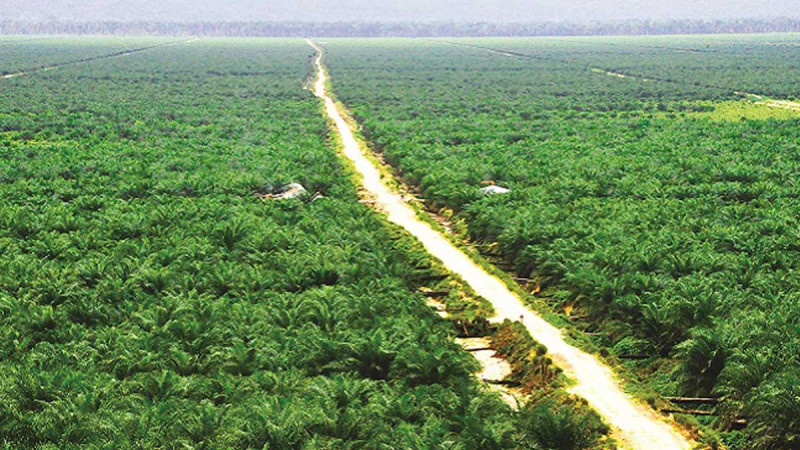
For the palm oil industry, the change is significant because palm oil is among the seven commodities covered by the EUDR, alongside cattle, cocoa, coffee, rubber, soy and wood. Relevant derivative products are also covered according to the regulation’s provisions.
Due Diligence Requirements Simplified
The revised EUDR framework also simplifies parts of the due diligence process.
Certain micro and small operators will no longer face the same reporting mechanism as larger companies. Instead, they can submit a simplified declaration once, containing information required to demonstrate the origin of the commodity and the location of production.
Another change concerns responsibility along the trading chain. The due diligence statement requirement is focused on the company that first places the relevant product on the EU market.
Businesses subsequently trading the product are not required to submit the same declaration again, although they remain subject to applicable traceability requirements.
Traceability Remains Important for Palm Oil
The revised regulation also removes certain printed products from its scope.
However, the central objective of the EUDR remains unchanged: reducing the EU’s contribution to global deforestation and forest degradation. Commodities and related products entering the European market must demonstrate that they were not produced on land associated with deforestation or forest degradation after the applicable cut-off date.
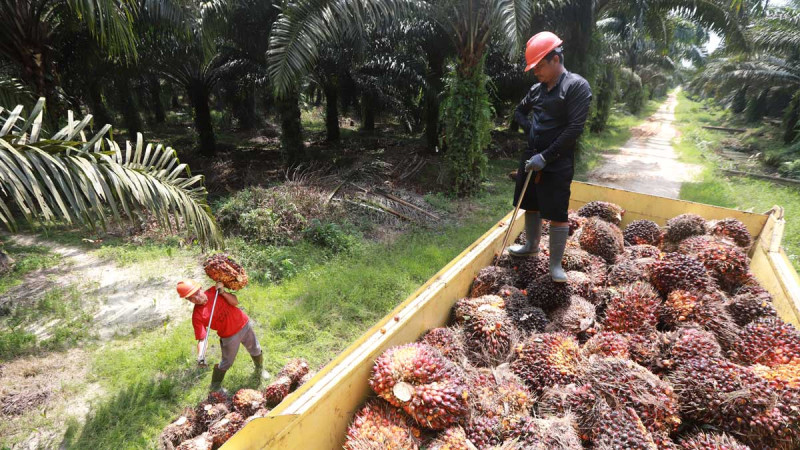
For Indonesia’s palm oil supply chain, traceability therefore remains an important component of market preparation. Data concerning fresh fruit bunch (FFB) suppliers, plantation locations, geospatial information and compliance with regulations in the producing country remain relevant to companies seeking access to the EU market.
The extended timeline provides palm oil businesses and their suppliers with additional time to strengthen traceability systems, improve supplier data and prepare documentation before the revised obligations take effect according to each business category. (T2)
Source: InfoSAWIT