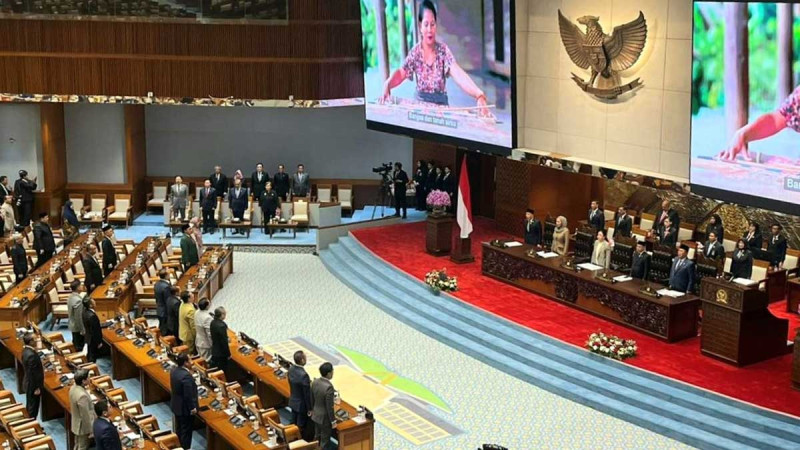
InfoSAWIT, JAKARTA – Indonesia’s House of Representatives (DPR RI) has completed its consideration of the Agrarian Reform Bill, which contains 14 chapters and 53 articles covering land redistribution, agrarian conflict resolution, institutional arrangements and the empowerment of reform beneficiaries.
The bill was approved for the next legislative stage after the House Legislative Body (Baleg) and the government completed the first-level discussion. The working committee was chaired by Deputy Speaker of the DPR Sufmi Dasco Ahmad.
According to the material discussed by the working committee, the bill establishes a broad framework for the implementation of agrarian reform, including institutional arrangements, priority locations, land objects and beneficiaries.
What the 14 Chapters Cover
The first sections cover General Provisions; Principles and Objectives; Agrarian Reform Implementation; the Agrarian Reform Implementation Agency; and the Supervisory Board.
The bill then addresses Priority Agrarian Reform Locations, Agrarian Reform Objects and Agrarian Reform Subjects.
Other chapters cover Agrarian Conflict Resolution; Restoration of Land Rights; Land Redistribution; Empowerment of Agrarian Reform Beneficiaries; Land Management, Control and Restrictions; Public Participation; Reporting; Funding; Criminal Provisions; Transitional Provisions; and Closing Provisions.
During the first-level discussion, the government submitted 596 problem inventories, known as the List of Inventory of Problems or DIM, to lawmakers. Of these, 164 were classified as unchanged, while 54 underwent editorial changes and 57 involved substantive changes.
Priority Locations for Agrarian Reform
One of the key elements of the legislation is the establishment of Priority Agrarian Reform Locations (LPRA).
The determination of priority areas is linked to several conditions, including disparities in land control and ownership, agrarian conflicts, abandoned land, poverty, absentee land ownership and land control exceeding established maximum limits.
The bill also introduces a roadmap for agrarian reform. The roadmap is expected to establish policy direction, targets, implementation stages, priorities, strategies and performance indicators, providing a framework for organizing the implementation process.
New Institutional Framework
Another significant element is the establishment of the Agrarian Reform Implementation Agency (LPRA), replacing the previously discussed nomenclature of the National Agrarian Reform Agency, or BRAN.
The proposed LPRA would operate under and report to the President. Its responsibilities would include planning, implementation, supervision and agrarian conflict resolution. The legislation also provides for a supervisory board intended to support transparency, participation, accountability and institutional effectiveness.
Conflict Resolution and Land Redistribution
The bill also provides a framework for resolving agrarian conflicts, restoring land rights and redistributing land.
During the working committee discussions, conflict resolution was framed around mechanisms intended to support effective and transparent processes, including consultation, restoration of social relations, legal certainty and restoration of community rights.
The legislation also addresses agrarian reform objects and beneficiaries, including land originating from both conflict and non-conflict situations. The categories identified in the parliamentary discussion include farmers, cultivators, agricultural workers, fishers, customary communities, women and people living in poverty.
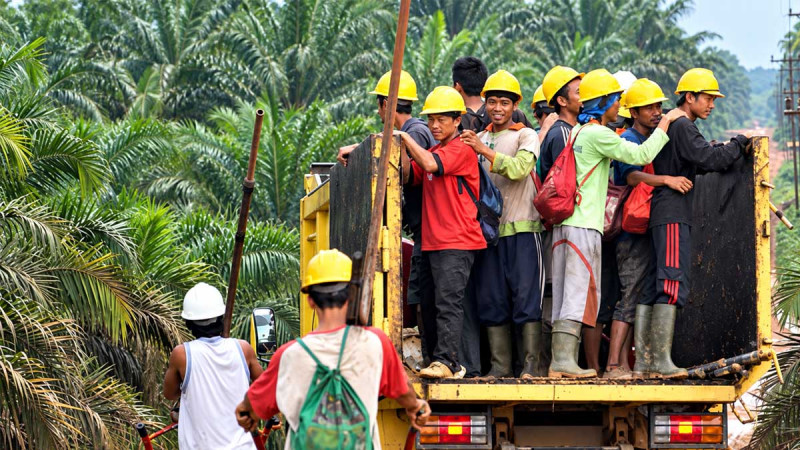
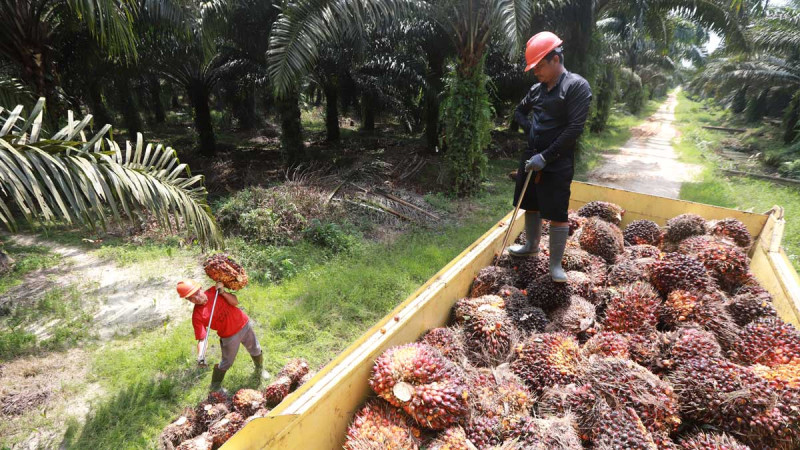
For Indonesia’s plantation sector, including oil palm smallholders, the framework has implications for land tenure certainty, land control arrangements, agrarian conflict resolution and the empowerment of communities receiving agrarian reform benefits. (T2)
Source: InfoSAWIT, Kompas