InfoSAWIT, JAKARTA – West Kalimantan Governor Ria Norsan has proposed a new revenue-sharing mechanism that would allocate Rp100 for every kilogram of fresh fruit bunches (FFB) produced to palm oil-producing regions, arguing that such a scheme would strengthen local fiscal capacity and ensure a fairer distribution of the industry's economic benefits.
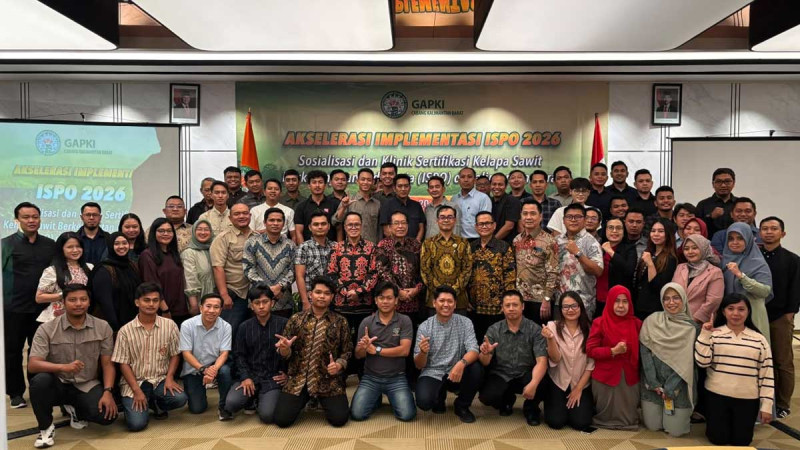
Norsan presented the proposal during the 2026 Indonesian Palm Oil Producing Regencies Association (AKPSI) Workshop and Sawit Expo, themed "Palm Oil for the People," held in Jakarta on July 7.
According to Norsan, palm oil-producing regions have long made significant contributions to Indonesia's economy through the plantation sector. However, he said those contributions have yet to be matched by adequate fiscal returns for local governments.
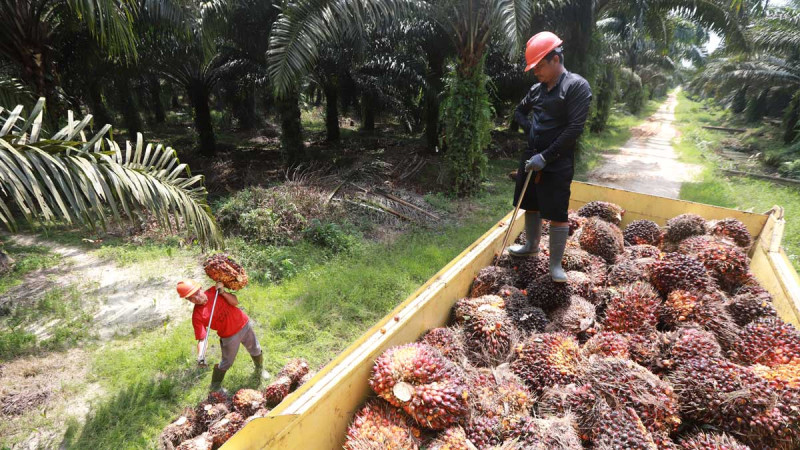
"We propose that producing regions receive Rp100 for every kilogram of fresh fruit bunches (FFB) produced as part of a revenue-sharing mechanism. Although the amount may seem modest, the cumulative value would significantly support regional development," Norsan said, as quoted by InfoSAWIT from Antara.
He argued that strengthening the palm oil revenue-sharing (DBH) scheme would provide producing regions with a more equitable share of the value generated by one of Indonesia's most strategic commodities.
Additional fiscal revenue, he said, would improve the financial capacity of local governments to fund infrastructure projects, expand public services, and deliver broader economic benefits to local communities.
Norsan also urged the central government to pay greater attention to Indonesia's major palm oil-producing provinces, emphasizing that communities living in resource-producing areas should receive a proportionate share of the wealth generated from natural resources.
"This event is highly valuable and deserves full support. Palm oil remains one of Indonesia's largest foreign exchange earners, and producing regions should receive greater attention from the central government," he said.
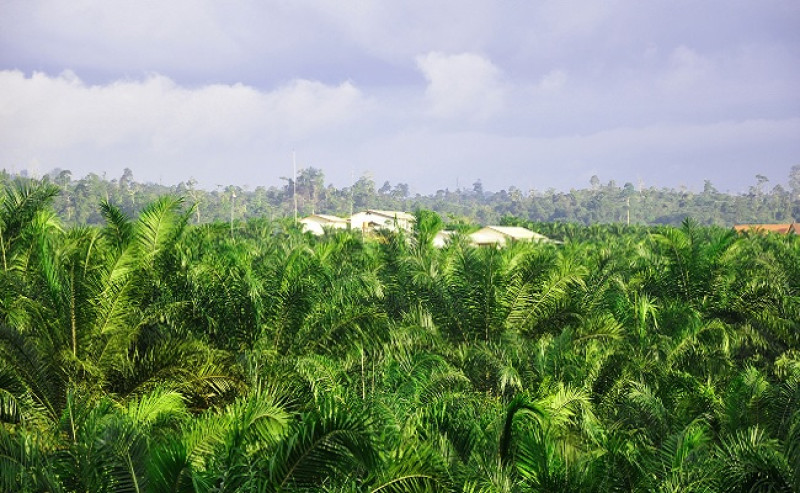
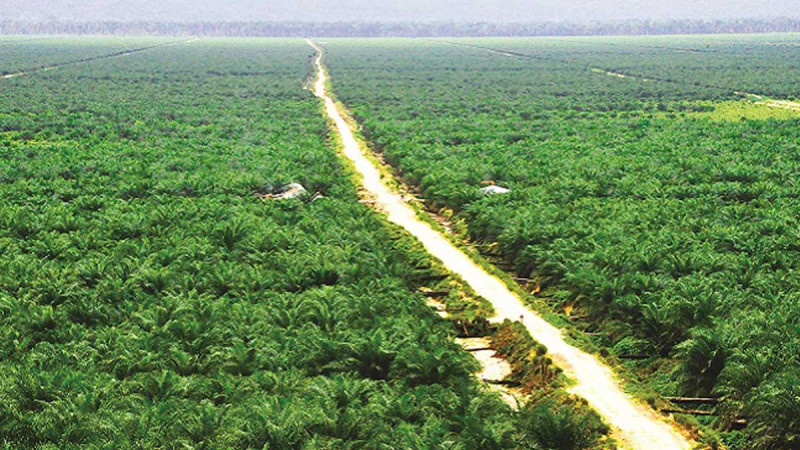
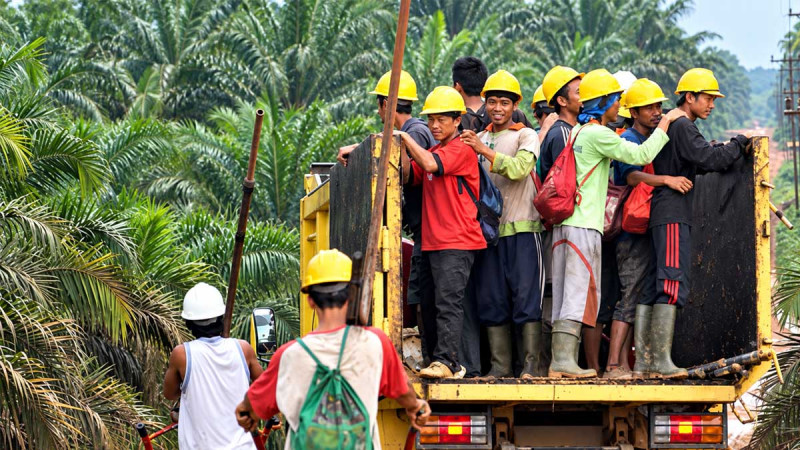
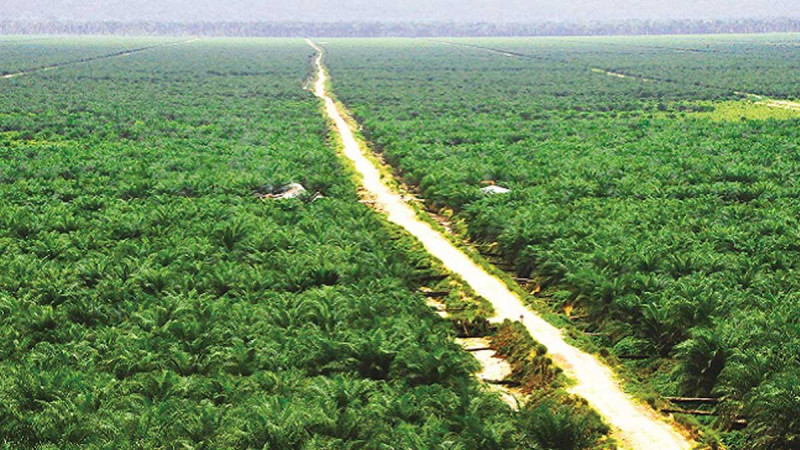
West Kalimantan is one of Indonesia's largest palm oil-producing provinces. According to Statistics Indonesia (BPS) West Kalimantan, the province had approximately 2.03 million hectares of oil palm plantations in 2024.
The province produces around 18.5 million tonnes of fresh fruit bunches annually, making palm oil one of the region's key economic drivers and a major contributor to Indonesia's overall palm oil industry.
Through the proposed revenue-sharing mechanism, the provincial government hopes that the economic value generated by the palm oil sector will translate into stronger regional fiscal capacity, allowing producing areas to enjoy a more equitable share of the industry's long-term benefits. (T2)