InfoSAWIT, BANJARBARU – The South Kalimantan Provincial Government continues to strengthen its position as one of the pioneering regions for sustainable palm oil development in Indonesia. Through the implementation of strategic policies and integrated programs, the province nicknamed Bumi Lambung Mangkurat affirms its commitment to balancing economic, social, and environmental interests in palm oil industry governance.
This concrete step is realized with the issuance of South Kalimantan Governor Regulation Number 13 of 2023 concerning the Regional Action Plan for Sustainable Palm Oil Plantations (RAN-KSB) 2022–2024, which serves as the main guideline for all palm oil stakeholders in this region.
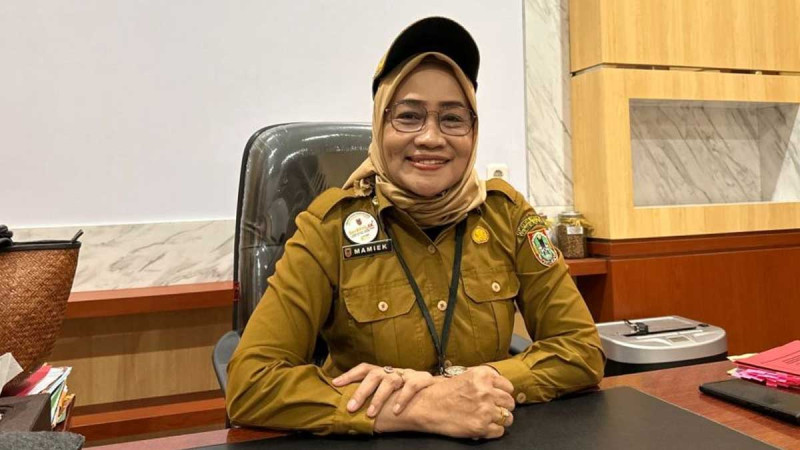
“We want to ensure that every activity in the palm oil sector runs within the corridor of sustainability. From planning, production, to environmental management, everything must be oriented towards long-term welfare,” said Head of the Plantation and Livestock Service of South Kalimantan Province, Suparmi, in an official statement written by InfoSAWIT, Sunday (26/10/2025).
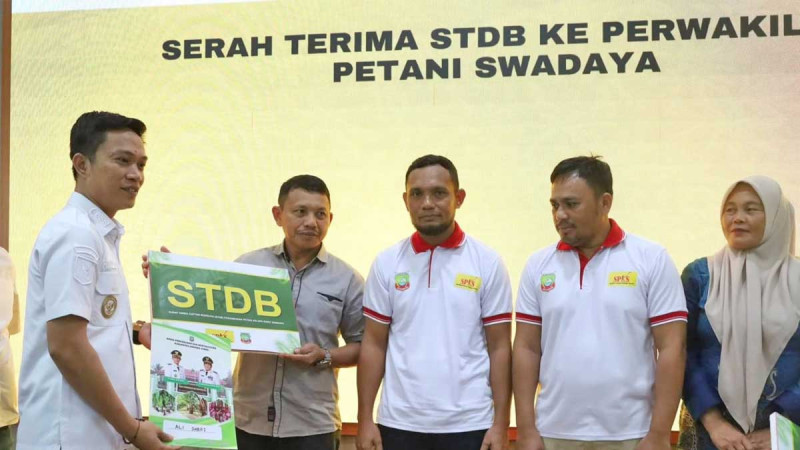
According to Suparmi, the South Kalimantan Provincial Government focuses on four main pillars: strengthening data and infrastructure, increasing farmer capacity, increasing productivity, and implementing transparent and accountable governance. “We also encourage the acceleration of ISPO certification so that the entire palm oil business chain in South Kalimantan meets national sustainability standards,” he added.
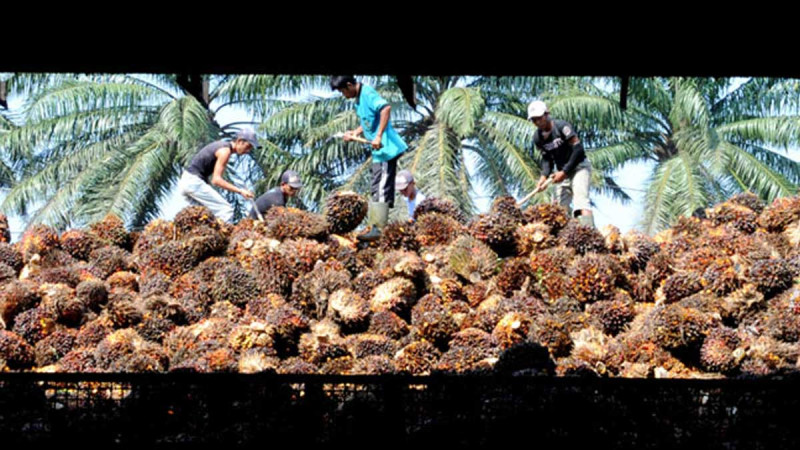
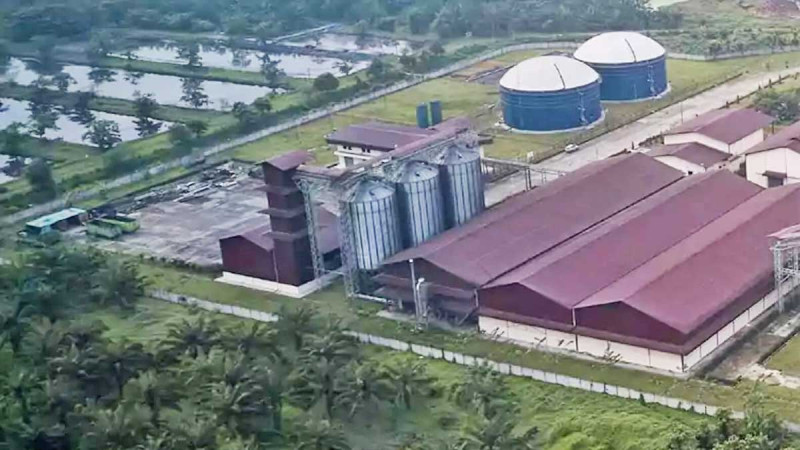
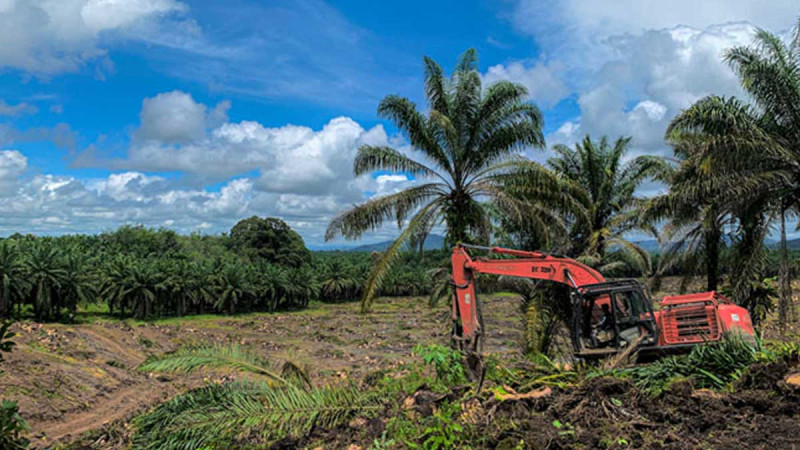
To date, the palm oil plantation area in South Kalimantan reaches 506,269 hectares, managed by 85 large private and state companies, as well as 46 palm oil mills. Fresh fruit bunches (FFB) production is recorded at 5.89 million tons per year, with CPO production around 1.29 million tons per year.
Not only upstream, the downstream palm oil industry also shows rapid progress. Recorded, there are three cooking oil factories with a capacity of 5,750 tons per day and two biodiesel industries with a capacity of 2,500 tons per day operating in this area. The palm oil sector has also absorbed more than 72 thousand workers, and this number is projected to continue increasing along with the development of derivative industries and palm-cattle integration.
“The palm oil industry is not just about production, but also about empowering the people within it. Therefore, we prioritize increasing human resources capacity through the Palm Oil Plantation Human Resources Development Program (PSDMPKS) funded by the Plantation Fund Management Agency,” explained Suparmi.
This program includes technical training, public education, to scholarships for palm oil workers' families. All are directed to create professional, inclusive, and globally competitive palm oil workforce.
The South Kalimantan Provincial Government is also active in strengthening synergy with various parties, including the Indonesian Palm Oil Entrepreneurs Association (GAPKI) South Kalimantan Branch, to discuss important issues such as labor protection, supply chain sustainability, and inclusion of small farmers.
“We want the palm oil sector not only to provide economic benefits, but also to improve the welfare of communities around the plantations,” he emphasized.
With these steps, South Kalimantan is now paving the way towards a balanced sustainable palm oil development model between productivity, social justice, and environmental preservation.
“We hope that South Kalimantan can become an example for other provinces in realizing palm oil that is highly competitive, fair, and environmentally friendly,” concluded Suparmi. (T2)