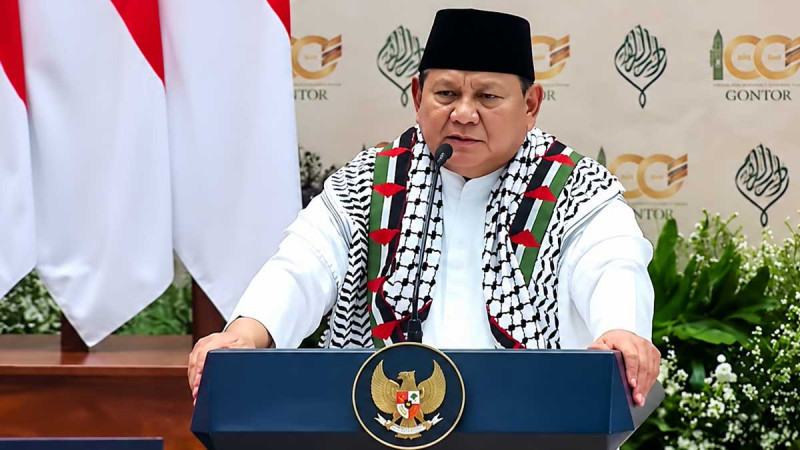
InfoSAWIT, JAKARTA – President Prabowo Subianto has unveiled an ambitious plan to tighten state control over Indonesia's strategic commodity exports, arguing that the country must capture a greater share of the wealth generated by its abundant natural resources.
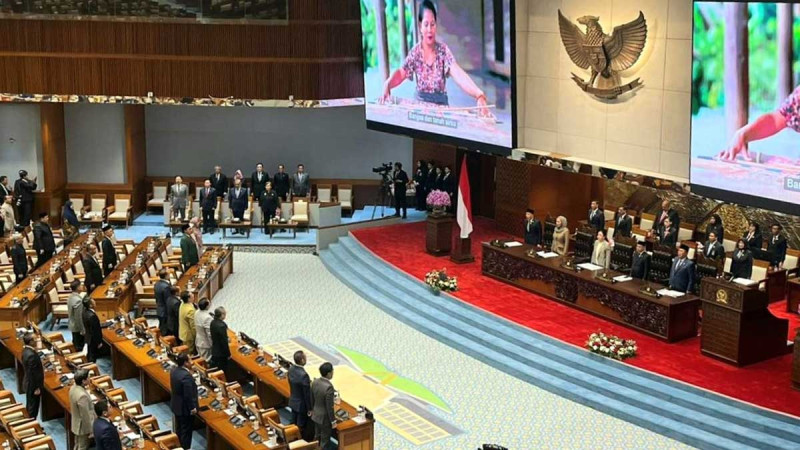
Speaking before the House of Representatives (DPR) during the presentation of the government's 2027 Macroeconomic Framework and Fiscal Policy Priorities, Prabowo described what he called a long-standing paradox: Indonesia is one of the world's richest countries in natural resources, yet state revenues have not fully reflected that potential.
The President pointed to major export commodities—including crude palm oil, coal, and ferro alloys—which together generated more than US$65 billion in export value during 2025. Palm oil alone contributed approximately US$23 billion, while coal accounted for US$30 billion and ferro alloys around US$16 billion.
Despite these impressive figures, Prabowo questioned why the country's vast resource wealth has not translated into stronger fiscal capacity or broader public prosperity.
According to the President, the core problem lies not in the availability of natural resources but in what he described as persistent economic "leakages." He cited practices such as under-invoicing, transfer pricing, export tonnage manipulation, and commodity smuggling, which he believes have allowed a significant portion of Indonesia's resource value to flow overseas without providing optimal returns to the state.
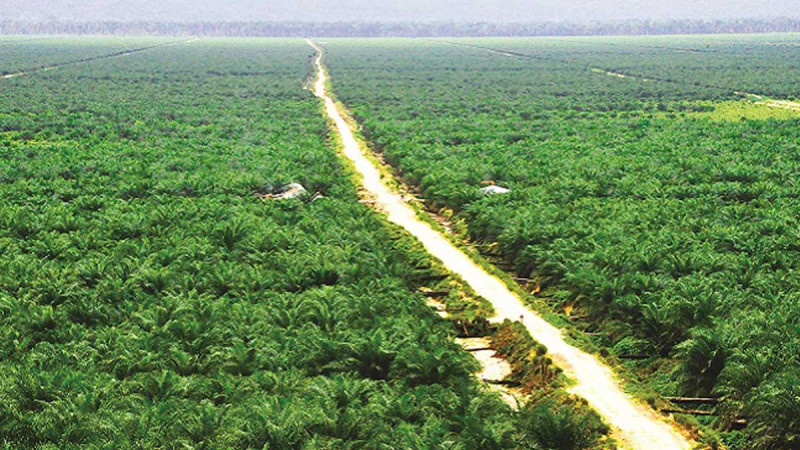
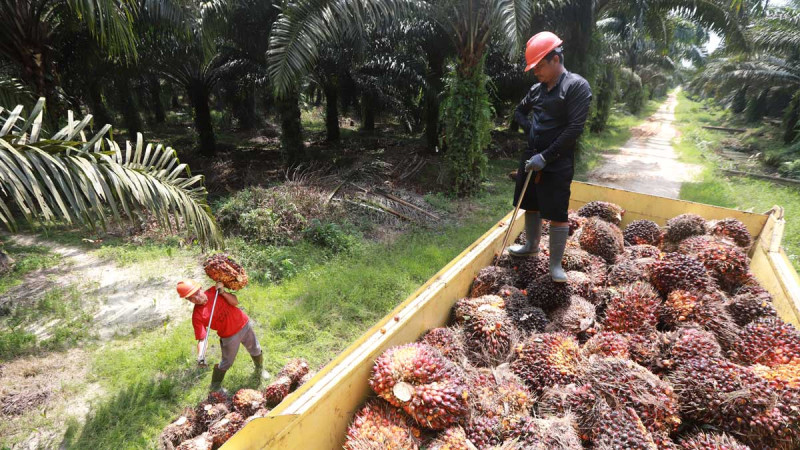
Palm oil received particular attention during his address. As the world's largest producer of palm oil, Indonesia remains heavily influenced by international pricing mechanisms, limiting its ability to maximize domestic value creation from the commodity.
To address these concerns, the government plans to introduce a new export governance framework, beginning with palm oil, coal, and ferro alloys. The proposed system would place exports of selected strategic commodities under a state-owned export agency, with the objective of strengthening oversight, reducing trade irregularities, and increasing government revenue.
The initiative reflects the principles of Article 33 of Indonesia's 1945 Constitution, which states that natural resources should be controlled by the state and utilized for the greatest benefit of the people.
However, the proposal has also raised broader questions about implementation. While greater oversight could improve transparency and curb export manipulation, industry observers note that the effectiveness of a centralized export system will depend on governance, operational efficiency, and the confidence of market participants.
As Indonesia continues to pursue downstream industrialization and stronger resource governance, Prabowo's proposed export reforms are likely to become a key topic of discussion among policymakers and the palm oil industry, with significant implications for the country's role in global commodity markets. (T2)
Read the full story in InfoSAWIT Magazine, June 2026 Edition.