InfoSAWIT, JAKARTA – Sinar Mas Agribusiness & Food has set an ambitious target to achieve net-zero emissions by 2050. The leading agribusiness company also affirmed its short-term commitment: to cut emissions from its palm oil plantation operations (flag emissions) by 30% and non-land-based emissions by up to 42% from its 2022 baseline by 2030.
"We know the solutions. This isn't rocket science," said Anita Nevill, Chief Sustainability and Communications Officer at Sinar Mas Agribusiness & Food. "The challenge lies in the funding and how to implement these solutions across the entire supply chain."
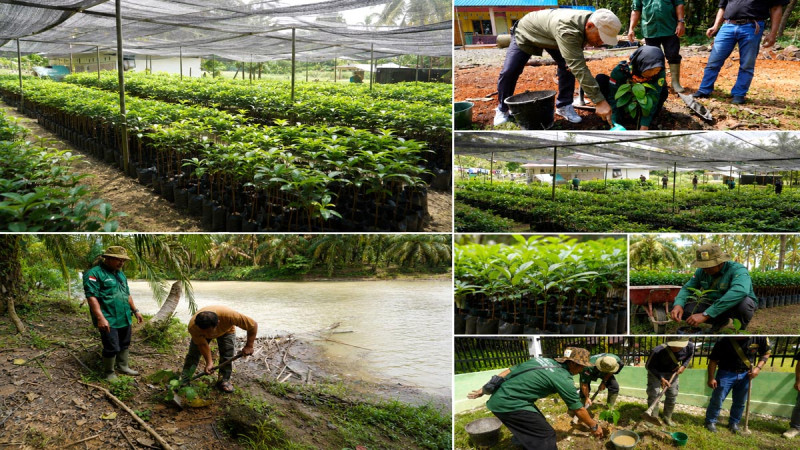
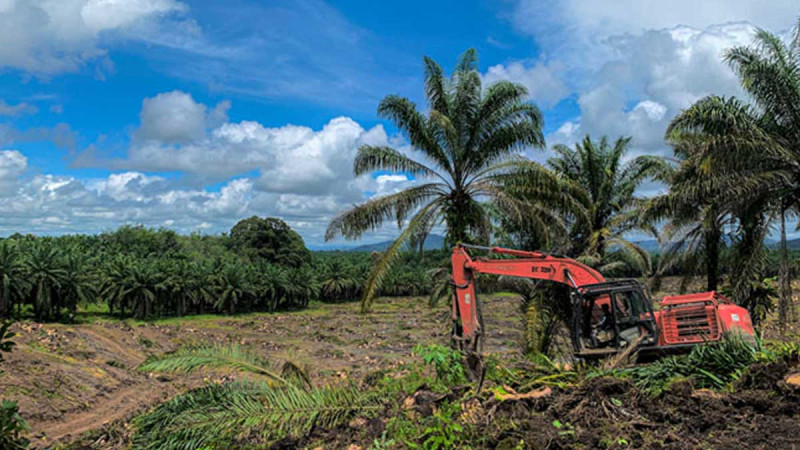
In line with its "no deforestation" and "no exploitation" commitments, Sinar Mas has allocated 80,000 hectares of forest for conservation and has invested in peatland rehabilitation since 2016. These steps are considered crucial for mitigating environmental impact and maintaining sustainable production.
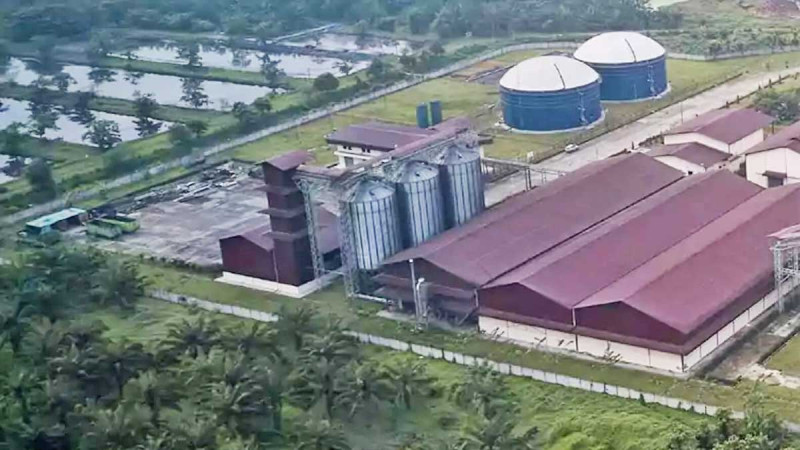
The company is also promoting the implementation of a circular economy. By utilizing palm oil mill waste, emissions can be reduced by up to 55% through methane gas capture, which is then converted into new energy. "Currently, 53% of our operations use renewable energy, and in our upstream operations, that figure reaches 95%," Anita explained.
Despite various initiatives, Anita emphasized that the biggest challenge remains financing. According to her, only 5% of the total global green transition funding flows into the plantation sector. "This is clearly not enough to achieve the 2050 target and keep global warming below 1.5-2 degrees Celsius," she said.
Therefore, Anita called for broader collaboration from businesses, governments, and financial institutions. Instruments like green bonds, sustainable loans, and direct investments are considered essential to accelerate the transition. "The solution is in plain sight, but we need collaboration and financial support to make it happen. Together, we can transform agriculture from a 'sinner' into a solution for climate change," she concluded. (T2)