InfoSAWIT, JAKARTA – Alexandre Cooman of Cenipalma highlighted the importance of efficient fertilizer management. A case study conducted in 2023 showed that using controlled-release fertilizers and cover crops can reduce nitrous oxide emissions by up to 67%. This is a crucial step in reducing the carbon footprint of the plantation sector.
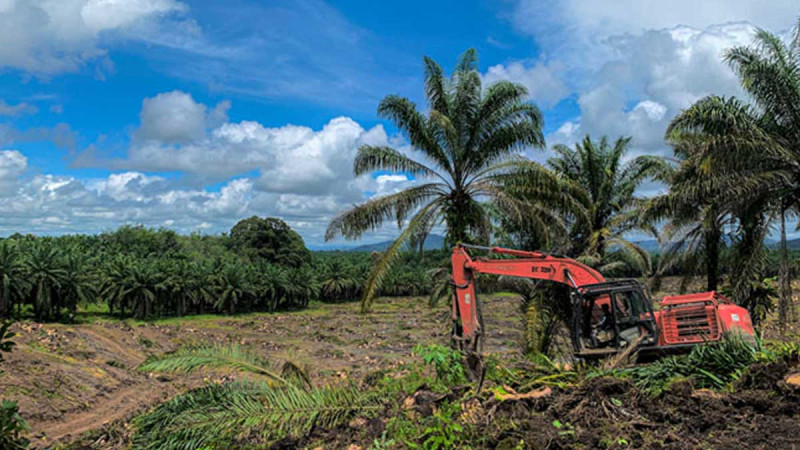
Since 2017, the Colombian palm oil sector has signed a zero-deforestation agreement, making it the first sector in the country to take such a step. Currently, about 30% of Colombia's palm oil production is certified sustainable. Cenipalma also monitors deforestation in real time with the help of a Dutch company, and the results show that 99% of Colombian palm oil plantations are free of deforestation.
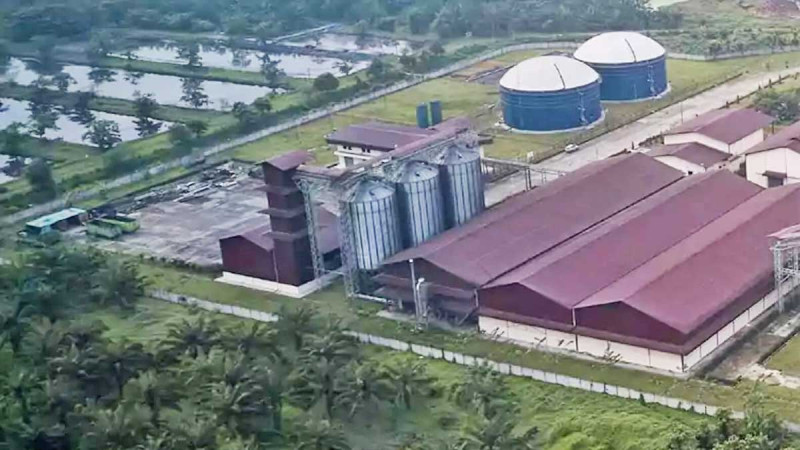
Cooman emphasized that methane capture in mills and efficient fertilizer use in the field are key steps in reducing the carbon footprint. Additionally, more efficient use of fossil fuels, the implementation of a circular economy, and planting in appropriate areas are also very important. Cenipalma has provided an online calculator for Colombian farmers to estimate their carbon footprint.
With these various efforts, the Colombian palm oil sector is not only increasing its production but also ensuring that its growth is sustainable and environmentally friendly.
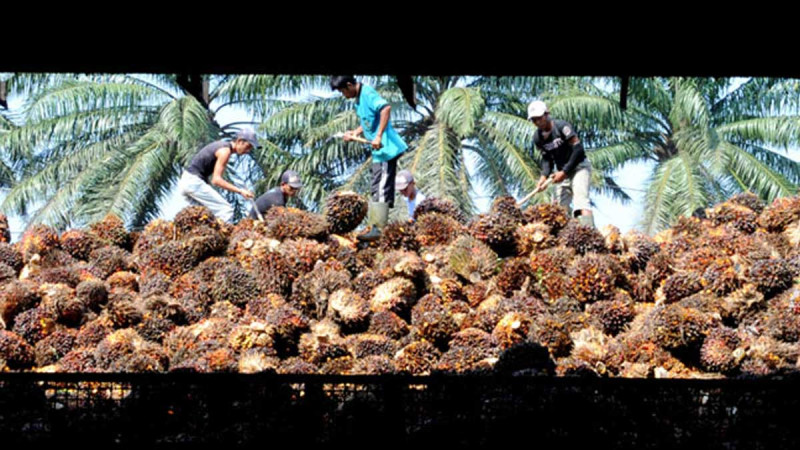
Unlike Colombia, Indonesia currently holds the top position as the world's largest palm oil producer. In 2023, Indonesia produced 47.08 million metric tons of palm oil, an increase of 7.15% compared to the previous year, and it accounts for 57% of the global supply.
Agriculture, including palm oil production, contributes 13% of Indonesia's total emissions. According to Bappenas-LCDI, emissions from this sector are expected to reach 478,503.66 kg CO2 eq by 2030. As part of its commitment to combat climate change, Indonesia has pledged to reduce greenhouse gas emissions by 29% by 2030.
Although the Indonesian palm oil industry continues to play a central role in the global market, the government's focus on sustainability and emission reduction marks a significant step towards a greener future for the sector.
The Secretary of the Directorate General of Sustainable Forest Management, M. Saparis Soedarjanto, stressed that the key to sustainability lies in integration. "Palm oil plantations must adopt a more holistic approach, integrating palm oil cultivation with natural ecosystems like forests," he explained. (T2)