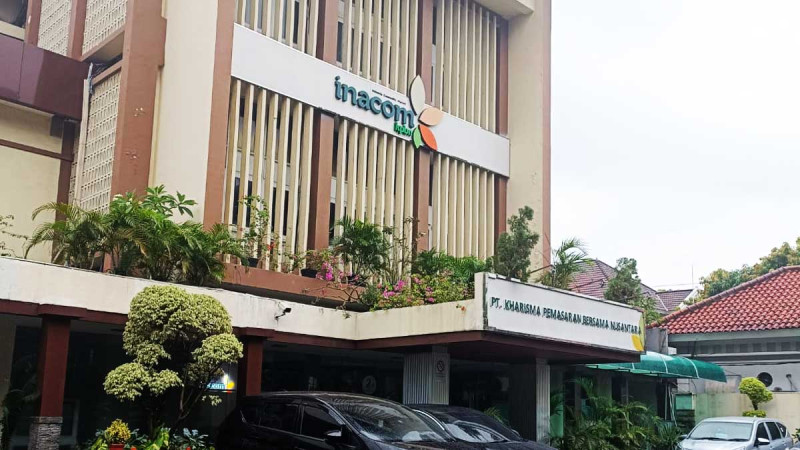
InfoSAWIT, JAKARTA – Indonesia's crude palm oil (CPO) price at PT Kharisma Pemasaran Bersama Nusantara (KPBN) posted a marginal increase on Wednesday (July 29), while palm oil futures on the Bursa Malaysia Derivatives Exchange moved lower amid fresh market developments.
According to market data obtained by InfoSAWIT, KPBN set the Franco Dumai CPO price at Rp15,800 per kilogram, up Rp12/kg, or approximately 0.08%, from Rp15,788/kg recorded a day earlier.
Tender activity, however, remained mixed across several delivery points. The FOB Talang Duku tender opened at Rp15,600/kg, but was ultimately withdrawn after the highest bid reached only Rp15,367/kg. A similar outcome occurred at Franco Teluk Bayur, where the opening price stood at Rp15,670/kg, with the highest offer recorded at Rp15,437/kg before the tender was withdrawn.
Meanwhile, FOB Palembang was offered at Rp15,650/kg, although bidding closed below expectations at Rp15,417/kg. Withdrawals were also reported for tenders at Parindu & Ngabang and Kembayan palm oil mills.
According to Fortune India, as reported by InfoSAWIT on Thursday (July 30), Indonesia's decision to maintain its export ban on Palm Oil Mill Effluent (POME) and Crude Used Cooking Oil (UCO) is aimed at securing sufficient feedstock for the country's expanding biodiesel and Sustainable Aviation Fuel (SAF) industries.
The report also noted that Indonesia is considering centralizing exports of several strategic commodities, including crude palm oil, through designated state-owned enterprises. The move is seen as strengthening government oversight of strategic commodity exports and could influence global palm oil supply dynamics.
For India, the policy shift has reinforced the urgency of accelerating domestic oil palm development to reduce dependence on imported vegetable oils used across the food processing, consumer goods, and household sectors.
India launched the National Mission on Edible Oils–Oil Palm (NMEO-OP) in 2021, targeting an expansion of oil palm plantations to 650,000 hectares by the 2025–2026 fiscal year as part of its long-term strategy to enhance edible oil self-sufficiency. (T2)