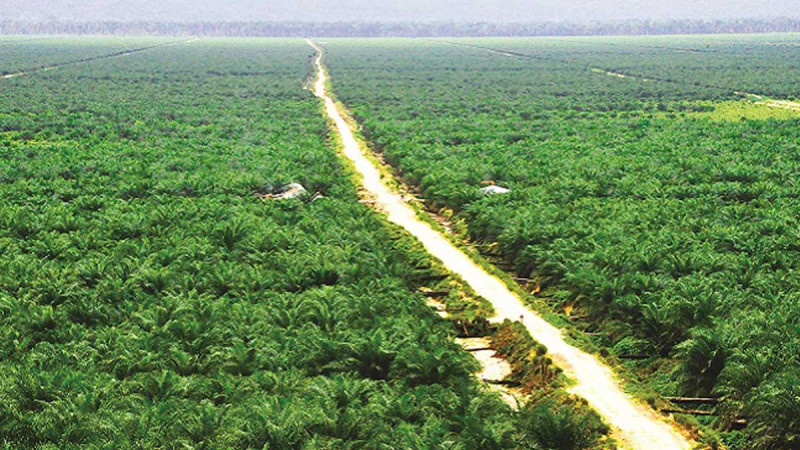
InfoSAWIT, JAKARTA – Palm oil has long been recognized as the world's most efficient vegetable oil crop, but its remarkable productivity continues to be accompanied by an enduring debate over environmental conservation and sustainable development.
While oil palm generates substantially more oil per hectare than competing oilseed crops, its rapid expansion has also intensified global scrutiny over deforestation, biodiversity loss, and responsible land management.
Historical evidence suggests that humans have utilized oil palm for more than 5,000 years, with traces of its early use discovered in present-day Ghana. Yet despite this long history, the industry's modern challenges have become increasingly complex as governments, businesses, and consumers seek a balance between economic development and environmental protection.
Global palm oil production has now surpassed 80 million metric tons annually, placing it well ahead of soybean and rapeseed oil. Its exceptional land-use efficiency has made palm oil a strategic commodity for many tropical economies while supporting the livelihoods of millions of farmers and plantation workers.
However, Ina von Frantzius, Deputy Head of the Agriculture and Rural Development Unit at Germany's Federal Ministry for Economic Cooperation and Development (BMZ), emphasized that economic success must be accompanied by greater responsibility.
"Economic interests come with significant responsibility," she said during a webinar attended by InfoSAWIT in mid-April 2026.
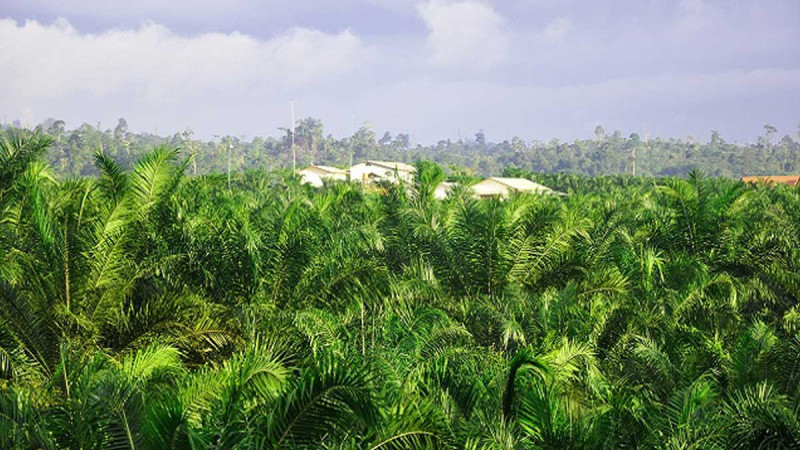
Drawing from her field experience in Jambi and Kalimantan, Ina described the dual realities of Indonesia's palm oil landscape. On one hand, plantations demonstrate impressive productivity and well-managed cultivation systems. On the other, the transformation of natural forests into monoculture plantations has reduced biodiversity and altered ecological landscapes.
Her observations underscore one of the industry's central dilemmas: how to maintain palm oil's critical economic contribution while strengthening conservation efforts and improving sustainability standards across the supply chain.
As global demand for sustainably produced vegetable oils continues to grow, the future competitiveness of the palm oil sector will increasingly depend not only on production efficiency but also on its ability to demonstrate responsible environmental stewardship and social accountability. (T2)
For the complete report, see the May 2026 edition of InfoSAWIT Magazine