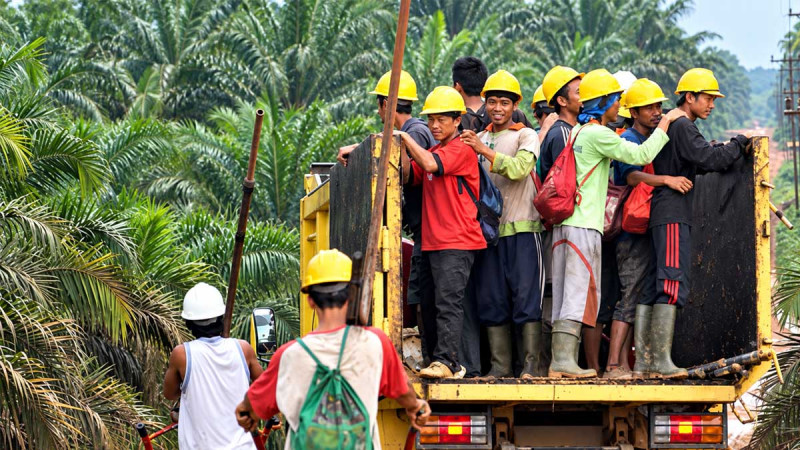
InfoSAWIT, JAKARTA – Indonesia’s palm oil industry has become far more than an export commodity. For hundreds of thousands of families living in transmigration areas, oil palm has evolved into the backbone of local economies, helping transform once-remote settlements into productive agricultural communities, according to Deputy Minister of Transmigration Viva Yoga Mauladi.
Speaking about the government's evolving transmigration policy, Viva said the program is no longer focused solely on relocating people to new areas. Instead, its primary objective is to improve the welfare of both transmigrant families and surrounding local communities by fostering sustainable economic development.
This new approach has also prompted the Ministry of Transmigration to remain actively involved in resolving land disputes affecting transmigration communities, including overlapping land claims reported in South Kalimantan and several regions in Riau. Although some of these disputes no longer fall directly under the ministry's administrative authority, Viva said the government still considers it responsible for supporting former transmigrant communities.
"These people came through the government's transmigration program. They still see themselves as part of that national family, and the government should not walk away when problems arise," he said.
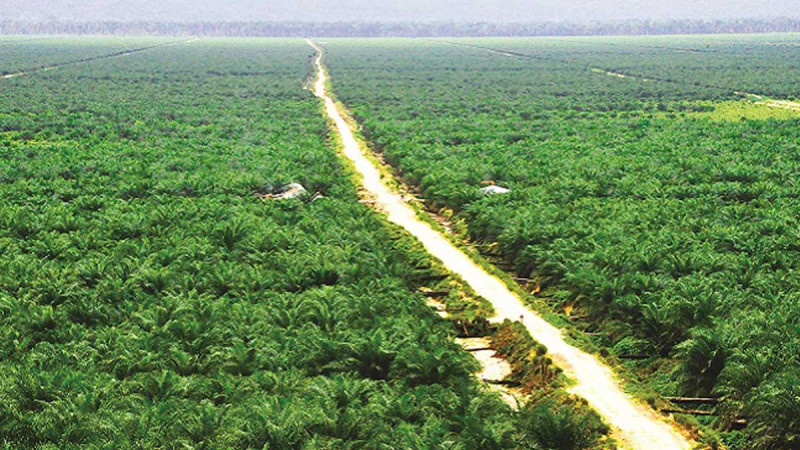
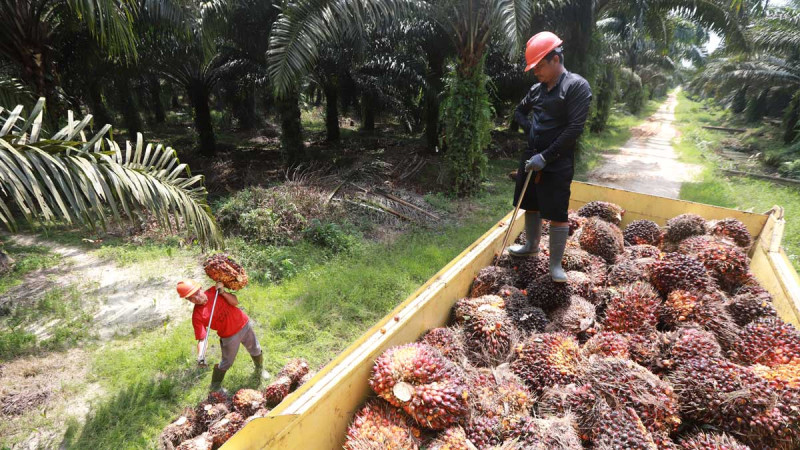
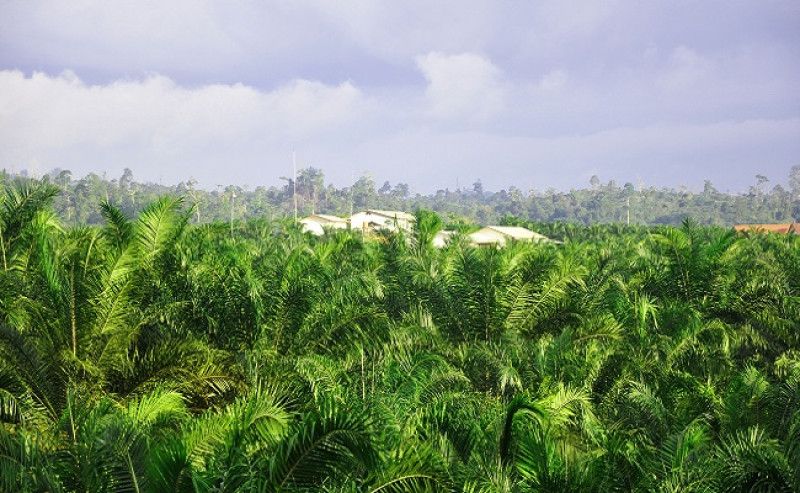
According to data from the Ministry of Transmigration, Indonesia's transmigration areas encompass approximately 3.1 million hectares of national priority and former PIR-Trans estates, with nearly 600,000 hectares now cultivated as oil palm plantations.
Viva cited his recent visit to Bungo Regency, Jambi, where he witnessed firsthand how the PIR-Trans oil palm scheme has improved household incomes. Land once allocated by the government under nucleus-plasma partnerships has gradually become privately owned by participating families, enabling them to finance better education for their children, improve housing conditions, and stimulate village economies.
For many transmigrant communities, he noted, oil palm has become a reliable source of livelihood rather than merely a plantation crop.
Nevertheless, Viva emphasized that the future of Indonesia's transmigration program should remain diversified. Different regions possess different comparative advantages—from oil palm in Sumatra to rice production in Papua, as well as cocoa, durian, and horticultural commodities across Sulawesi.
The government's long-term objective, he said, is to develop these regions into new economic growth centers built upon their respective local strengths, reducing the concentration of economic opportunities in major urban centers. (T2)
For the complete report, see the May 2026 edition of InfoSAWIT Magazine