InfoSAWIT, KUALA LUMPUR – The Council of Palm Oil Producing Countries (CPOPC) has expanded its Good Agricultural Practices (GAP) training program to Malaysia, reinforcing its commitment to empowering independent oil palm smallholders and promoting a more productive, sustainable, and resilient regional palm oil industry.
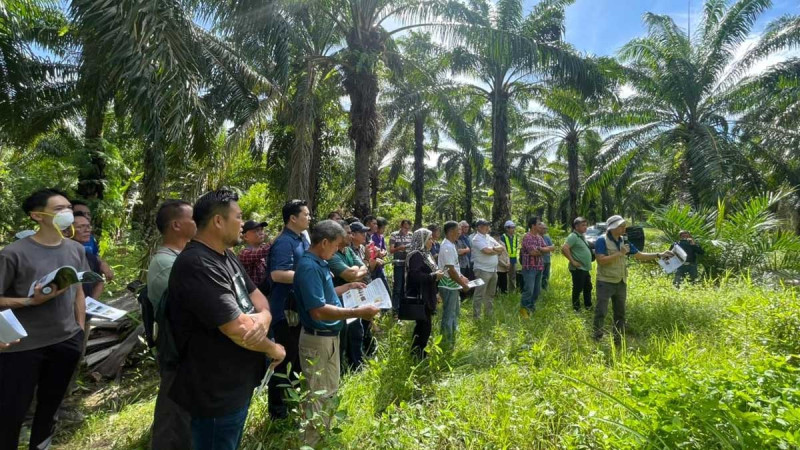
According to information shared by CPOPC through its official social media channels and cited by InfoSAWIT on Monday, July 27, 2026, the latest training program was held in Kudat, Sabah, bringing together 56 independent oil palm smallholders to enhance their knowledge of sustainable cultivation techniques and improve plantation productivity.
The program featured experts from PT Riset Perkebunan Nusantara and the Malaysian Palm Oil Board (MPOB), who delivered technical sessions on the implementation of Good Agricultural Practices. The initiative was also supported by representatives from Malaysia's Ministry of Plantation and Commodities, MPOB, and the Koperasi Penanam Sawit Mampan (KPSM), highlighting strong cross-border collaboration in strengthening the palm oil sector.
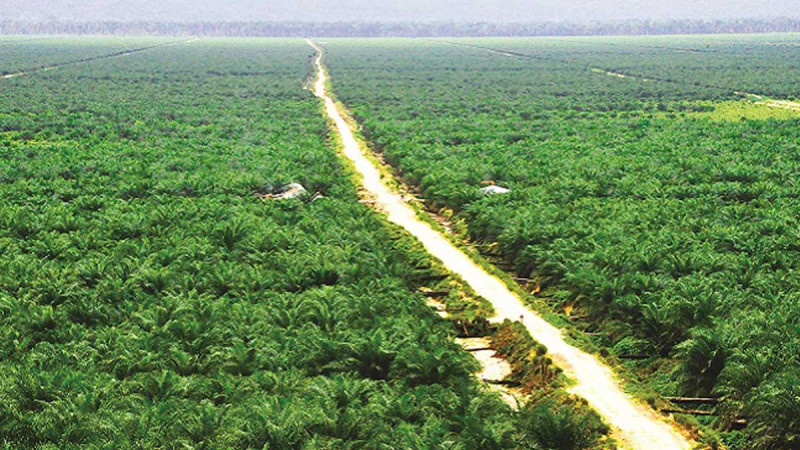
Beyond classroom instruction, participants took part in practical field demonstrations designed to reinforce sustainable plantation management. The hands-on sessions focused on effective cultivation techniques as well as methods for controlling Ganoderma, one of the most destructive diseases affecting oil palm plantations and a major cause of declining yields across producing countries.
CPOPC said the combination of theoretical learning and field practice is expected to accelerate the adoption of more efficient cultivation technologies, enabling farmers to improve productivity while ensuring the long-term sustainability of their plantations.
The expansion of the program into Malaysia also reflects CPOPC's broader strategy of strengthening cooperation among palm oil-producing countries through the exchange of knowledge, technical expertise, and innovation. The organization believes such collaboration is increasingly important as the industry faces growing challenges related to productivity, climate change, and rising global demand for sustainably produced palm oil.
CPOPC reaffirmed that empowering independent smallholders remains one of its core priorities. By improving farmers' technical capabilities, fostering regional cooperation, and encouraging sustainable agricultural practices, the organization aims to help smallholders boost productivity, strengthen business resilience, and improve the livelihoods of farming communities across the region. (T2)