InfoSAWIT, JAKARTA – The Indonesian Palm Oil Farmers Organization (POPSI) has urged the government to disclose the data and methodology underpinning claims by PT Danantara Sumberdaya Indonesia (DSI) that it has successfully narrowed the gap between exporters' declared palm oil export prices and international benchmark prices.
In a statement received by InfoSAWIT on Monday, July 27, 2026, POPSI welcomed remarks by DSI Chief Executive Officer Rosan Roeslani, who said the price gap had narrowed since DSI began operations on June 1, 2026. However, the organization stressed that such claims should not serve as the basis for future policy unless they are supported by independently verifiable data.
POPSI Chairman Mansuetus Darto said the public deserves to understand the benchmarks and analytical methods used to conclude that export price discrepancies have been reduced. He also questioned whether the improvement reflects stronger export reporting practices or is simply the result of fluctuations in global palm oil prices.
"If export prices are indeed moving closer to international reference prices, the government should explain the benchmark, calculation methodology, and the factors that contributed to narrowing the gap," Darto said.
According to Darto, DSI has access to integrated data from multiple government agencies, including the Directorate General of Customs and Excise, the Ministry of Trade, the Ministry of Industry, and the Ministry of Energy and Mineral Resources. With such resources, the agency should be able to publish transparent comparisons between export pricing before and after the policy took effect.
POPSI argued that greater transparency is essential to ensure DSI's performance can be assessed objectively rather than relying solely on statements delivered during cabinet meetings or press briefings.
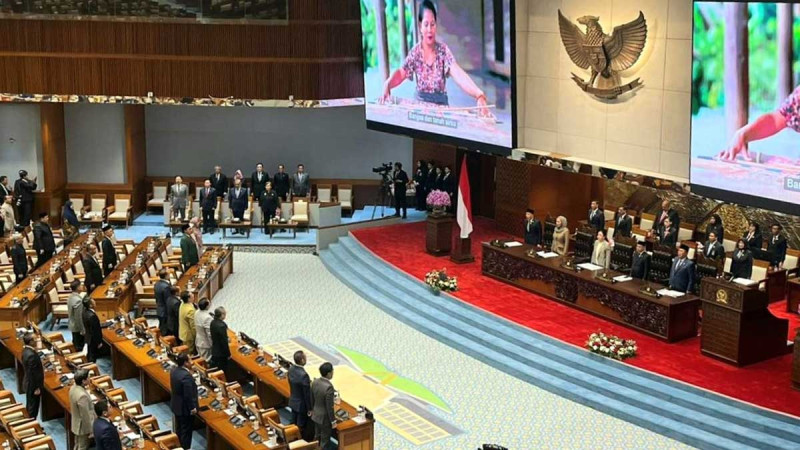
The farmers' association also expressed concern over the government's plan to expand DSI's role into a single marketing agent for export commodities beginning September 1, 2026. POPSI warned that such a move requires careful evaluation, as it could introduce additional layers into the palm oil trading chain and ultimately affect prices received by smallholders.
According to the organization, if DSI's original mandate is to strengthen oversight of suspected export under-invoicing, any expansion of its authority should only proceed after measurable results from its supervisory role have been independently evaluated.
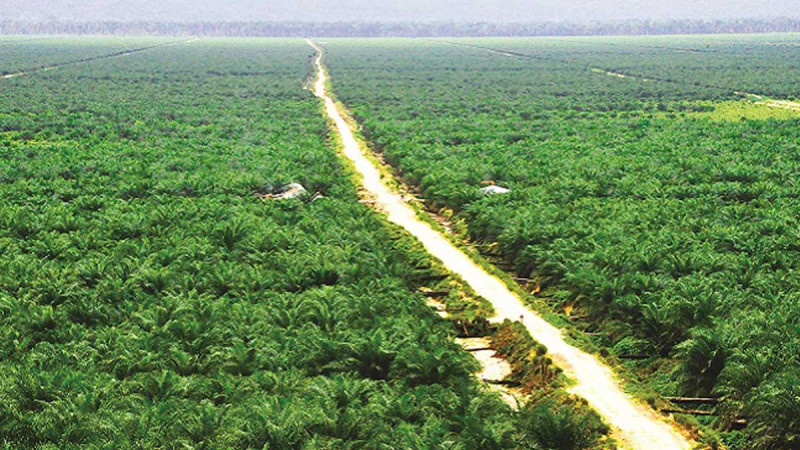
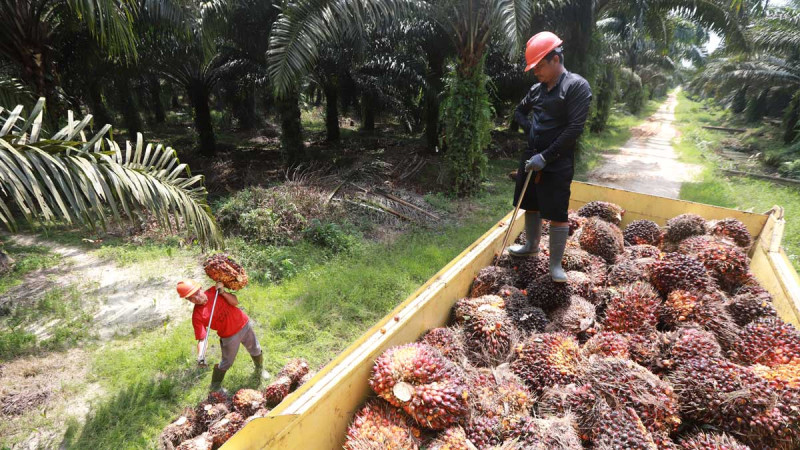
POPSI submitted three recommendations to the government. First, it called for the publication of comparative data between declared export prices and international benchmark prices, along with the methodology used for analysis. Second, it urged the government to clarify whether the narrowing price gap has translated into higher fresh fruit bunch (FFB) prices for farmers. Third, it recommended postponing DSI's appointment as the sole export marketing agency until the first three months of its performance have been transparently reviewed with the participation of farmer organizations and other palm oil stakeholders.
Darto reaffirmed POPSI's support for government efforts to improve export governance and prevent foreign exchange leakages but emphasized that new policies must be built on transparent, verifiable data that delivers tangible benefits to oil palm farmers.
"Improving export governance must prioritize transparency and accountability. Claims of success should not be used to justify expanding an institution's authority before the benefits have been clearly demonstrated, especially for farmers as the primary stakeholders in the palm oil sector," he said. (T2)