InfoSAWIT, JAKARTA – Indonesia’s Serikat Petani Kelapa Sawit (SPKS) has urged that research financed by the Palm Oil Plantation Fund Management Agency (BPDP) should produce practical innovations that directly address the needs of oil palm smallholders rather than remaining confined to academic publications and patents.
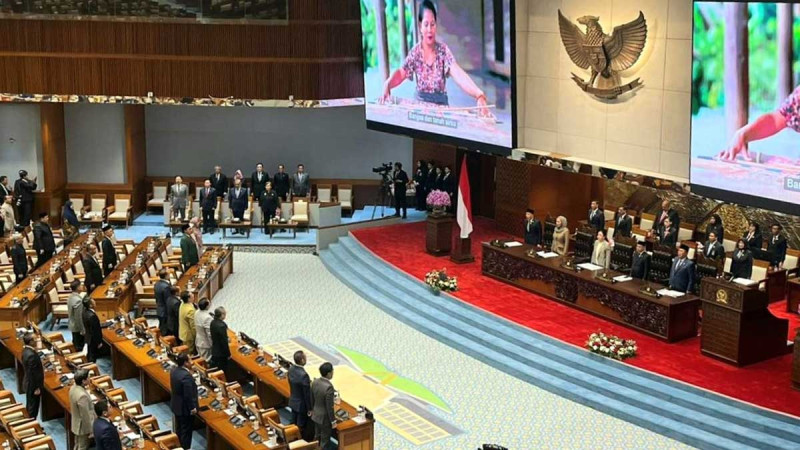
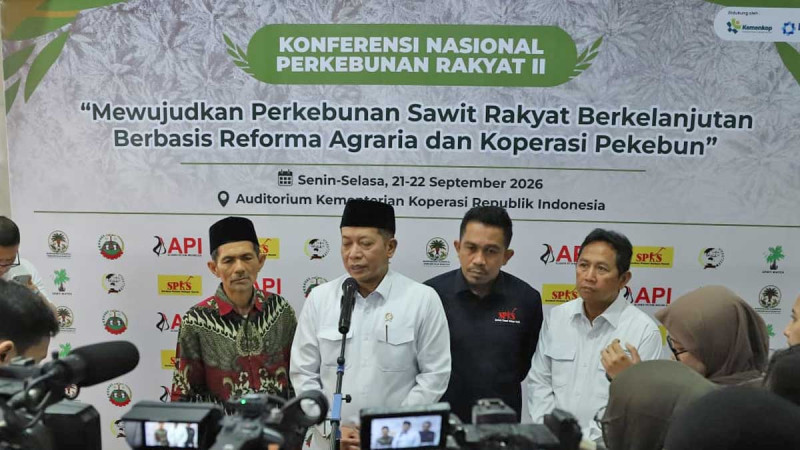
The appeal was voiced during the Indonesian Palm Oil Research Week (PERISAI) 2026 in Jakarta, an annual event organized by BPDP to showcase research findings and strengthen collaboration among government institutions, universities, researchers, agribusiness companies, and farmer organizations.
Since its launch in 2015, BPDP’s Palm Oil Research Grant Program has supported 466 research contracts involving 109 research institutions, 1,873 researchers, and 383 university students. The program has also generated 395 scientific publications and 84 patents, according to BPDP data.
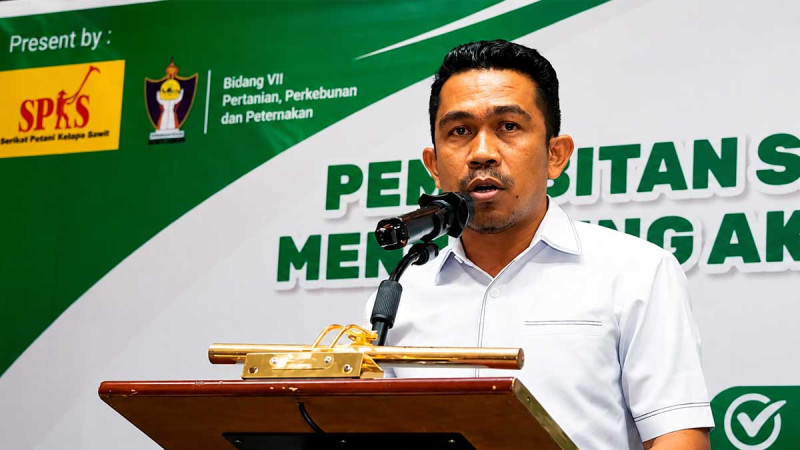
Despite these achievements, SPKS Chairman Sabarudin said the benefits have yet to be fully felt by oil palm growers, particularly plasma and independent smallholders. He noted that approximately Rp921 billion has been allocated to the research program, with funding sourced from BPDP, which in turn is financed through levies collected from the palm oil sector.
Sabarudin emphasized that research outcomes should extend beyond academic achievements and instead focus on technologies that can improve plantation productivity, reduce farming costs, enhance crop quality, and ultimately increase farmers' incomes.
He pointed to several pressing challenges that require practical solutions, including compliance with the European Union Deforestation Regulation (EUDR), strengthening cooperative management, improving plantation productivity, and expanding access to affordable agricultural technologies.
“Research should produce cost-effective technologies that can be widely adopted by smallholders to improve productivity,” Sabarudin told InfoSAWIT during the PERISAI 2026 event.
Among the technologies highlighted was the use of drones for land mapping and farmer registration, which could significantly improve plantation management but remains beyond the financial reach of many smallholders. He also noted that mechanization in smallholder plantations remains limited due to high investment costs and the lack of financing schemes tailored to small-scale farmers.
Beyond research commercialization, SPKS also called on BPDP to accelerate the Smallholder Palm Oil Replanting (PSR) program by increasing financial assistance from Rp60 million per hectare to Rp90–100 million per hectare, helping farmers cover replanting costs and sustain household incomes during the immature planting period.
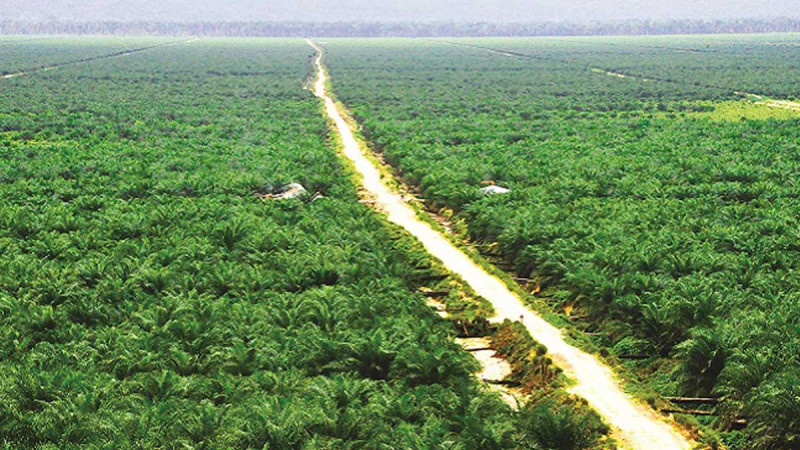
The organization further encouraged BPDP to invest more in plantation infrastructure, particularly estate roads, while expanding training programs and institutional capacity-building initiatives in collaboration with farmer associations to ensure wider access to the benefits of research and development. (T2)