InfoSAWIT, JAKARTA – A member of Indonesia's House of Representatives has called on PT Agrinas Palma Nusantara to prioritize palm oil smallholder cooperatives as strategic partners in managing plantations established on forest areas undergoing government restructuring.
The proposal comes as Indonesia seeks to improve governance of oil palm plantations located within forest estates while supporting the implementation of the country's mandatory B50 biodiesel program.
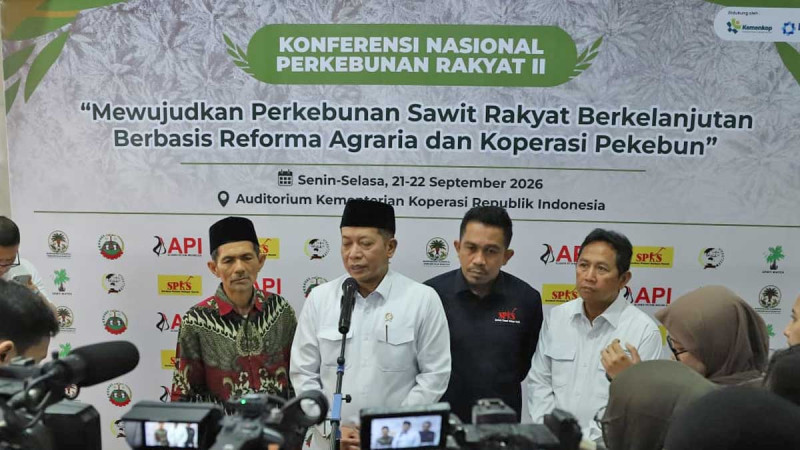
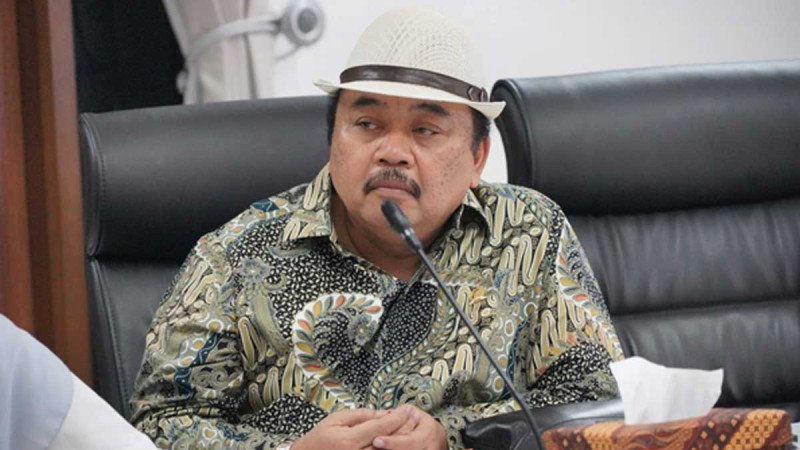
Ateng Sutisna, a member of DPR RI Commission XII from the Prosperous Justice Party (PKS), delivered the recommendation during a meeting with Sawit Watch, the Indonesian Oil Palm Smallholders Union (SPKS), and several farmer organizations.
According to Ateng, smallholders should not be limited to supplying fresh fruit bunches (FFB), providing harvesting services, or acting as contract vendors. Instead, they should become equal business partners with access to economic benefits, capacity building, and opportunities throughout the palm oil value chain.
He also expressed support for the government's Forest Area Enforcement Task Force (PKH), established under Presidential Regulation No. 5 of 2025, while emphasizing that land restructuring must guarantee legal certainty, social justice, and sustainable livelihoods for communities dependent on the plantation sector.
"This process should not simply change who controls the land. It should become an opportunity to build a more inclusive, transparent, and sustainable palm oil governance system," Ateng said.
He proposed a cooperative-based partnership model in which legally recognized producer cooperatives play a central role in plantation management, arguing that such a framework would distribute economic benefits more fairly while strengthening farmers' bargaining position.
Ateng added that the vendor scheme currently being prepared to manage more than 130,000 hectares of oil palm plantations should serve only as a temporary operational arrangement rather than a permanent management model.
He further urged authorities to conduct rigorous due diligence, ensure transparency, and strengthen public oversight to prevent former operators from regaining control through new contractual arrangements.
According to Ateng, empowering farmer cooperatives will not only improve upstream governance but also strengthen Indonesia's biodiesel supply chain by integrating more independent smallholders into the national B50 program.
"A productive and competitive cooperative sector will make the B50 program stronger while allowing smallholders to enjoy a fairer share of the economic benefits generated by Indonesia's palm oil industry," he concluded. (T2)
Source: Partai Keadilan Sejahtera (PKS).