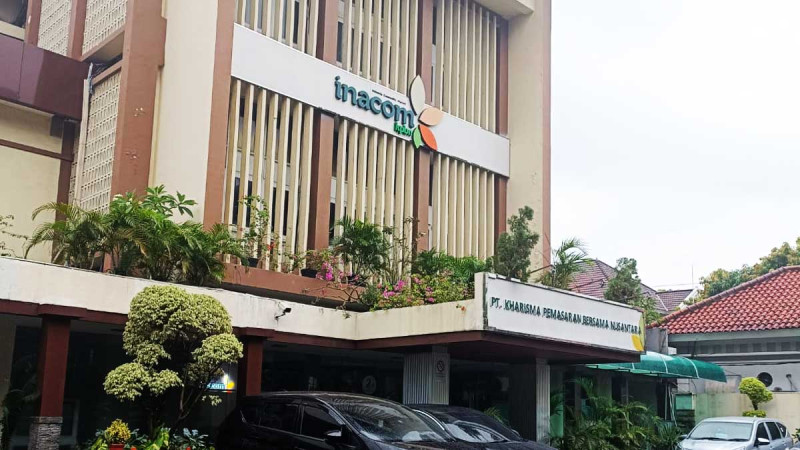
InfoSAWIT, JAKARTA – PT Kharisma Pemasaran Bersama Nusantara (KPBN) is intensifying its commitment to ethical corporate governance by encouraging employees and business partners to adopt internationally recognized anti-bribery practices under ISO 37001:2016.
During a socialization program attended by InfoSAWIT on Friday, Bhagas Indrianto Prabowo, Head of KPBN's Internal Audit Unit (SPI), said the implementation of the Anti-Bribery Management System (ABMS) is designed not only to achieve international certification but also to cultivate a corporate culture built on transparency, accountability, and regulatory compliance.
Bhagas emphasized that bribery poses significant risks to businesses, including financial losses, conflicts of interest, reputational damage, and declining stakeholder confidence. Therefore, all employees and external business partners are expected to fully understand and comply with the company's anti-bribery policies.
"The primary objective of the Anti-Bribery Management System is not merely to eliminate bribery but to establish an effective framework capable of preventing, detecting, reporting, and responding to any indication of misconduct," he said.
Business Hospitality Must Follow Clear Rules
Bhagas explained that not every form of gift or hospitality is prohibited. However, any benefit offered or received must comply with applicable regulations and should never compromise independent business decision-making.
He also urged employees and partners to avoid excessive hospitality or gifts that could create conflicts of interest or be perceived as attempts to influence business outcomes.
Beyond ISO 37001:2016, KPBN also refers to guidelines issued by Indonesia's Corruption Eradication Commission (KPK), gratuity handbooks, enterprise risk management frameworks, and other anti-corruption regulations to reinforce compliance.
Integrity Requires Collective Commitment
According to Bhagas, successful implementation of the anti-bribery system depends not only on KPBN itself but also on the active participation of suppliers, vendors, contractors, and other business partners.
He noted that several Indonesian government institutions, including the Ministry of Finance through the Directorate General of Customs and Excise, have also begun implementing ISO 37001, encouraging broader adoption across both public and private sectors.
"Anti-bribery values form an essential foundation for sustainable business. We hope our partners will understand these principles and, where possible, implement similar standards within their own organizations," he said.
Risk-Based Compliance and Whistleblowing System
The ISO 37001 framework adopted by KPBN covers ten core elements, including organizational scope, leadership commitment, planning, operational controls, performance evaluation, and continuous improvement.
Auditors assess key areas such as bribery risk identification, management commitment, compliance functions, financial controls, third-party due diligence, internal audits, and reporting mechanisms.
To support implementation, KPBN has also strengthened its Whistleblowing System (WBS), enabling employees and external stakeholders to confidentially report suspected bribery, abuse of authority, or other ethical violations.
Bhagas assured that whistleblower identities are protected under company procedures, encouraging greater participation in maintaining corporate integrity.
"We encourage every employee and business partner to actively safeguard the company's integrity. Reports submitted through our official channels are essential for improving governance and strengthening public trust," he concluded. (T2)