InfoSAWIT, JAKARTA – Social mapping has become an essential first step for companies seeking to implement impactful community development programs, according to Indonesian CSR practitioner and author Ditto Santoso. Without a clear understanding of local social conditions, stakeholder dynamics, and community needs, corporate social responsibility (CSR) initiatives risk missing their intended objectives and delivering limited long-term benefits.
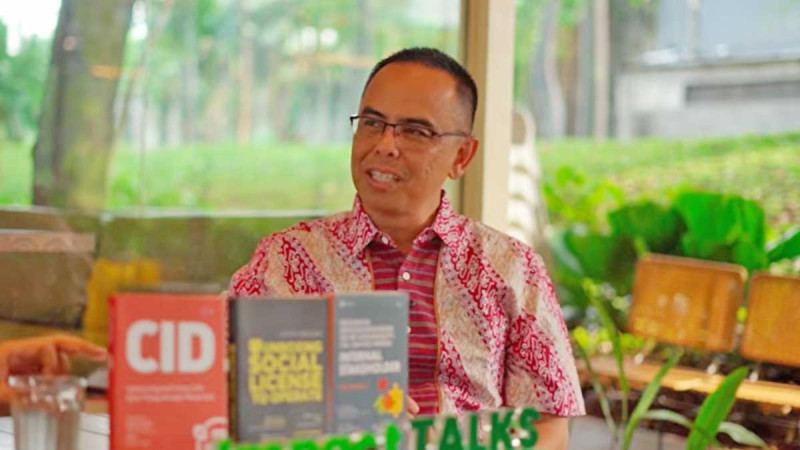
Speaking on the Social Impact ID Podcast, as reported by InfoSAWIT on Sunday (July 12, 2026), Ditto explained that whenever he joins a company, his first priority is not designing CSR programs but conducting a comprehensive assessment of both the company's internal conditions and the surrounding communities.
According to Ditto, the process begins by identifying the organization's existing strengths and areas requiring improvement, followed by an analysis of social issues, local community characteristics, and stakeholder relationships. These assessments form the basis for developing community empowerment strategies that create value for both businesses and society.
"Only after understanding the company's condition and the surrounding social environment can we determine programs that are truly relevant and beneficial for both the community and the business," he said.
Ditto emphasized that social mapping, stakeholder mapping, and risk mapping should be viewed as interconnected tools. Together, they enable companies to identify social risks, uncover collaboration opportunities, and better understand factors that may influence long-term business sustainability.
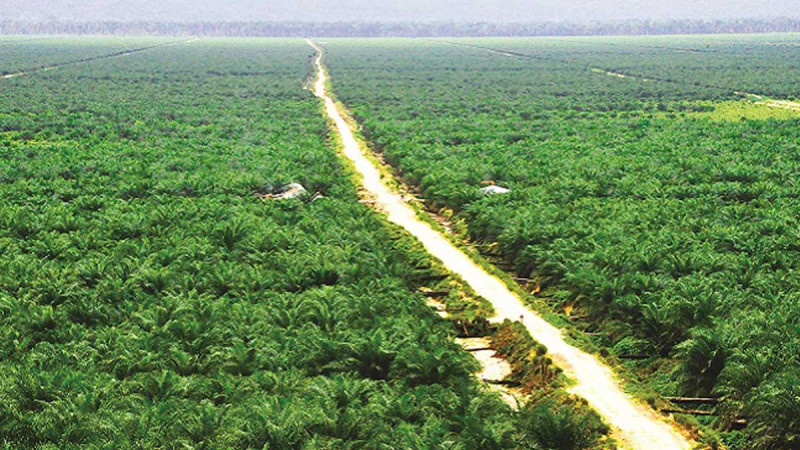
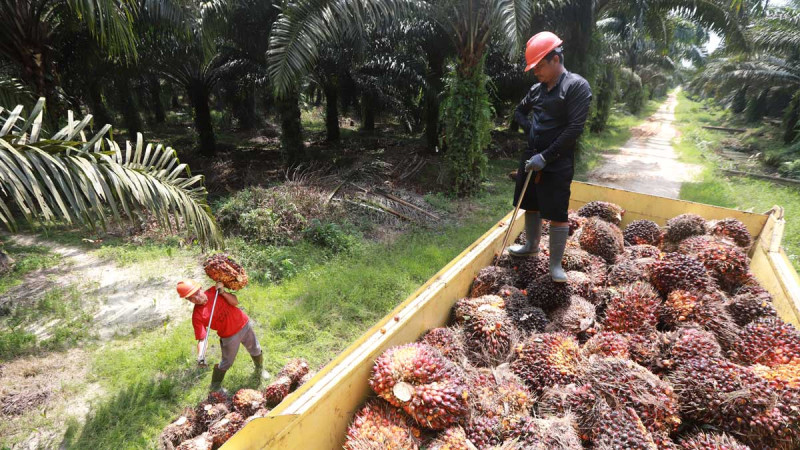
He cited the palm oil industry as an example, noting that companies targeting international markets must comply with a growing range of sustainability requirements. These include Roundtable on Sustainable Palm Oil (RSPO) certification, social impact assessments, environmental assessments, High Conservation Value (HCV) evaluations, and broader Environmental, Social, and Governance (ESG) standards.
According to Ditto, these sustainability frameworks help companies determine appropriate social and environmental interventions while ensuring compliance with global market expectations.
Beyond the plantation sector, he also highlighted Indonesia's mining industry, where regulations issued by the Ministry of Energy and Mineral Resources require Community Development and Empowerment Programs (PPM) to be based on comprehensive social mapping to ensure they address the actual needs of surrounding communities.
He further noted that the government's Corporate Performance Rating Program (PROPER) has increasingly emphasized social mapping, social innovation, and impact measurement as key indicators in evaluating corporate environmental and social performance.
These developments, Ditto said, demonstrate that CSR has evolved into a broader sustainability strategy that integrates business, environmental, and social objectives.
He warned that companies failing to keep pace with sustainability trends could face mounting challenges as investors increasingly incorporate ESG considerations into investment decisions.
"CSR practitioners must be able to integrate business, social, and environmental interests into a single strategic framework. This can be achieved through ESG implementation, the Sustainable Development Goals (SDGs), and other internationally recognized sustainability standards," he explained.
Ditto concluded that the success of community empowerment initiatives should no longer be measured by the number of activities conducted, but by their ability to generate measurable social impact while strengthening long-term business sustainability through data-driven planning, social mapping, and stakeholder collaboration. (T2)