InfoSAWIT, JAKARTA – The Council of Palm Oil Producing Countries (CPOPC) has reinforced its global diplomacy efforts by expanding membership, strengthening international cooperation, and advancing capacity-building programs for independent oil palm smallholders.
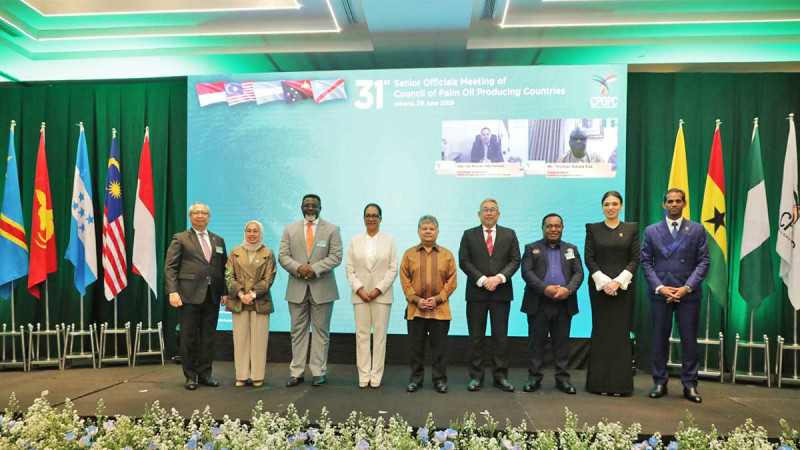
These strategic initiatives were among the key outcomes of the 31st Senior Officials Meeting (SOM), held in Jakarta on June 29, 2026, in a hybrid format.
The meeting was chaired by Dida Gardera, Senior Advisor for Connectivity and Services at Indonesia's Coordinating Ministry for Economic Affairs, and attended by representatives from Indonesia, Malaysia, Honduras, Papua New Guinea, and the Democratic Republic of Congo.
Observer countries Ghana and Nigeria also participated, reaffirming their commitment to becoming full CPOPC members in the future.
One of the meeting's major decisions was the approval of Costa Rica's application to become an observer country. The Central American nation will now begin the accession process and has up to two years to complete the required domestic procedures before obtaining full membership.
Senior officials emphasized the importance of strengthening cooperation among palm oil-producing countries amid growing geopolitical uncertainty and a rapidly evolving global economy.
The meeting reaffirmed CPOPC's role as a unified platform representing producing nations while safeguarding the interests of millions of oil palm smallholders who depend on the commodity for their livelihoods.
Beyond membership expansion, CPOPC agreed to deepen engagement with key palm oil importing markets, including India, China, and Pakistan, while expanding cooperation across Africa and maintaining constructive dialogue with the European Union on sustainability-related issues.
Officials also praised the Secretariat's active participation in international forums involving the United Nations, UN Trade and Development (UNCTAD), the FAO Committee on World Food Security, and ASEAN.
These engagements were recognized as important efforts to promote sustainable palm oil and strengthen global cooperation on food security and sustainable development.
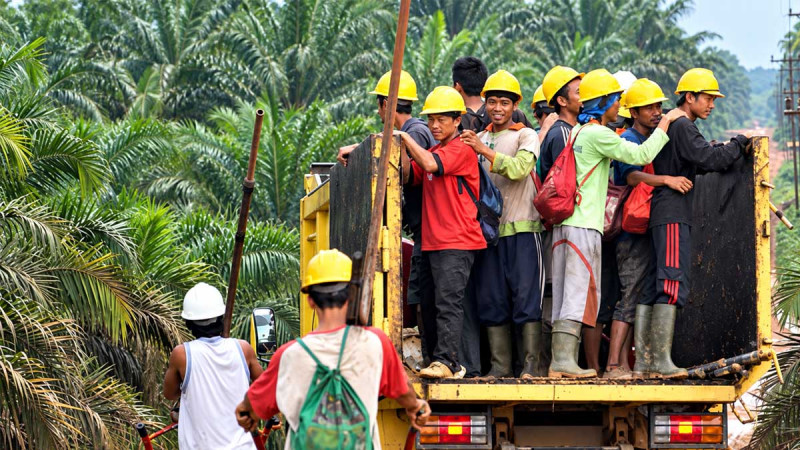
The meeting also reviewed progress under CPOPC's Good Agricultural Practices (GAP) training program for independent smallholders.
The initiative has been implemented across Sumatra, Central Kalimantan, and West Sulawesi in Indonesia, as well as Sabah and Sarawak in Malaysia, helping farmers improve cultivation practices, strengthen sustainability standards, and expand cross-border knowledge sharing.
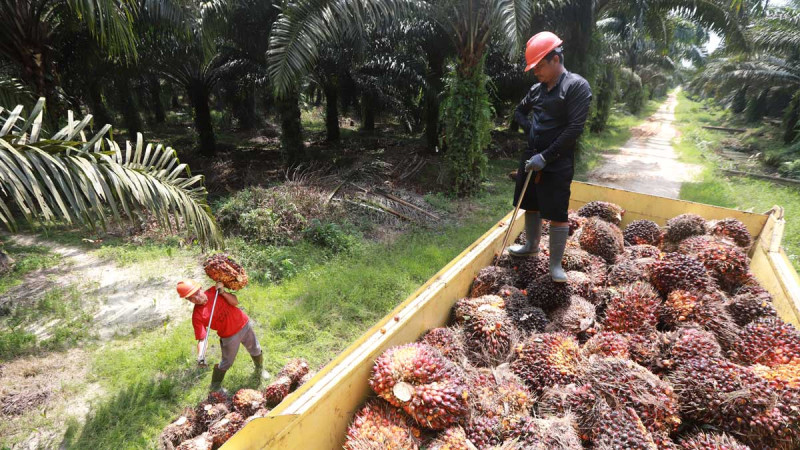
Participants further discussed global market developments, noting that climate change, geopolitical tensions, elevated energy prices, and biofuel mandates continue to shape the outlook for the palm oil industry.
While these factors could support stronger demand and higher industry revenues, officials acknowledged ongoing challenges, including tighter global supply, rising biofuel consumption, and increasingly stringent sustainability requirements in international markets.
The meeting also commended the YoungElaeis Ambassadors (YEA) program, which aims to cultivate a new generation of young advocates for sustainable palm oil through field visits, stakeholder engagement, and cross-country exchanges in Indonesia and Malaysia.
CPOPC expects the initiative to strengthen youth understanding of palm oil's contribution to economic development, food security, and global sustainability while preparing future leaders to support a more resilient and sustainable industry. (T2)