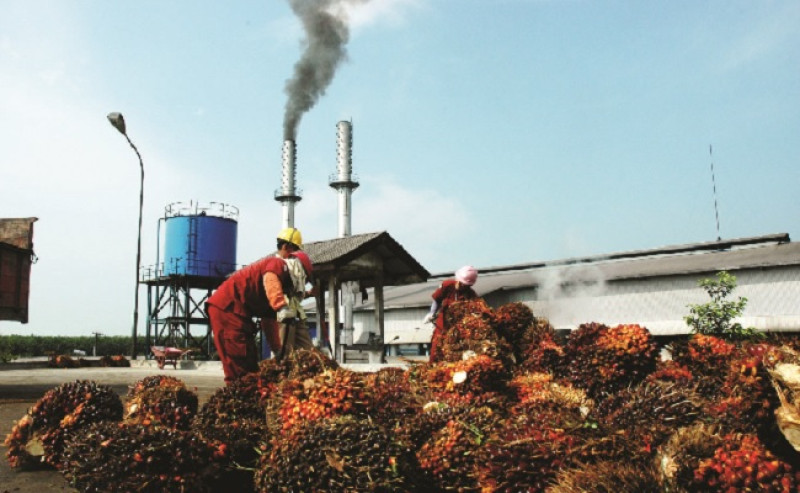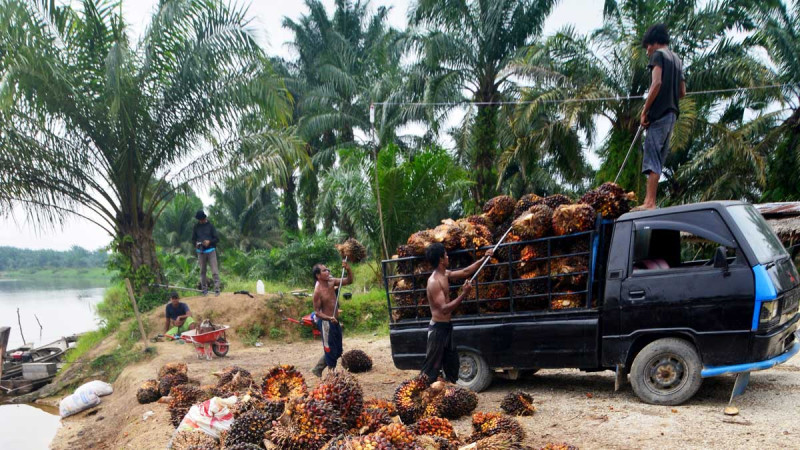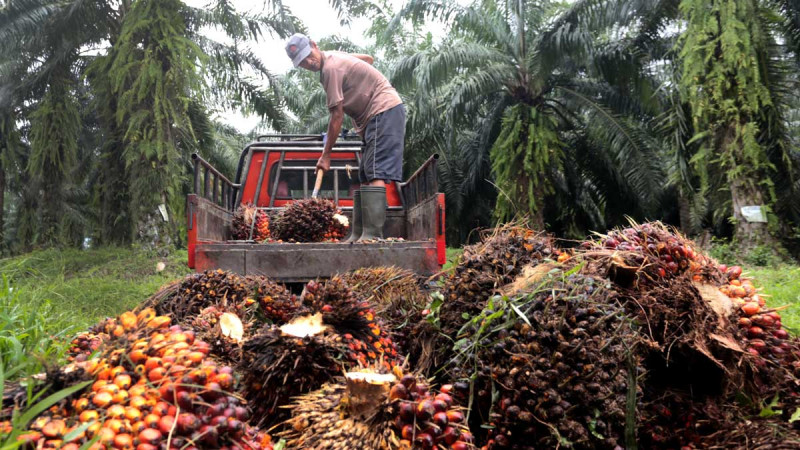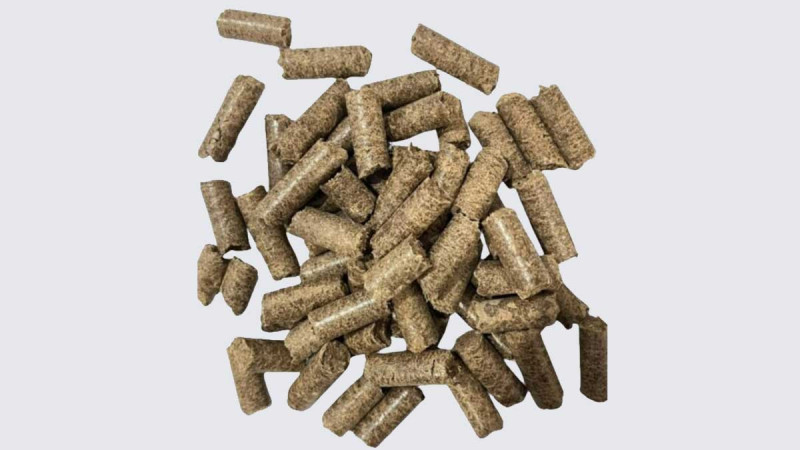
InfoSAWIT, BANDAR LAMPUNG – The Faculty of Agriculture at the University of Lampung (Unila) has strengthened its contribution to renewable energy development through an international research partnership with South Korean company Naysor Co., Ltd., focusing on the commercial production of low-ash biomass pellets made from oil palm empty fruit bunches (EFB).
According to InfoSAWIT, citing the University of Lampung on Thursday (July 9), the collaboration aims to commercialize innovative processing technology capable of converting palm oil waste into high-quality renewable fuel while supporting the transition toward low-carbon energy.
The joint research project is led by Prof. Udin Hasanudin, Professor at the Faculty of Agriculture, University of Lampung, who said the initiative addresses growing global demand for cleaner and more sustainable energy sources through value-added utilization of palm biomass.
The research team has developed a wet ash removal technology to produce EFB-based ashless pellets, significantly reducing ash content while improving the fuel's calorific value compared to conventional biomass pellets.
"Our product offers substantially lower ash content with higher heating value. The technology is also designed to minimize operational problems in industrial boilers, particularly slagging and fouling," Prof. Udin explained.
One of the main challenges in utilizing empty fruit bunches as biomass fuel is their high concentration of alkali minerals—including potassium, sodium, silica, and chlorine—which can cause scale formation, corrosion, and lower combustion efficiency in industrial boilers.
To overcome this issue, the researchers apply a water-based leaching process that effectively removes much of the unwanted mineral content before pellet production. The result is a cleaner-burning biomass fuel with characteristics better suited for industrial energy applications.
Beyond improving fuel quality, the innovation is expected to expand the commercial utilization of oil palm residues while increasing the economic value of plantation waste and reducing environmental impacts associated with biomass disposal.
The collaboration with Seoul-based Naysor Co., Ltd. also highlights the growing international recognition of Indonesian research capabilities and demonstrates how university-based innovation can be transformed into commercially viable technologies.
By advancing cleaner biomass solutions, the project supports Indonesia's broader renewable energy ambitions while reinforcing the role of the palm oil industry in developing sustainable, value-added products for global markets. (T2)