InfoSAWIT, PALEMBANG – A total of 101 independent oil palm smallholders from Ogan Komering Ilir (OKI), South Sumatra, have completed an intensive technical training program aimed at improving plantation productivity and promoting sustainable cultivation practices.
The Oil Palm Cultivation Training Program, organized by IPB Training in collaboration with the Palm Oil Plantation Fund Management Agency (BPDP) and the Directorate General of Estates (Ditjenbun), Ministry of Agriculture, was held in Palembang from June 30 to July 5, 2026 as part of Indonesia's ongoing human resource development initiative for the palm oil sector.
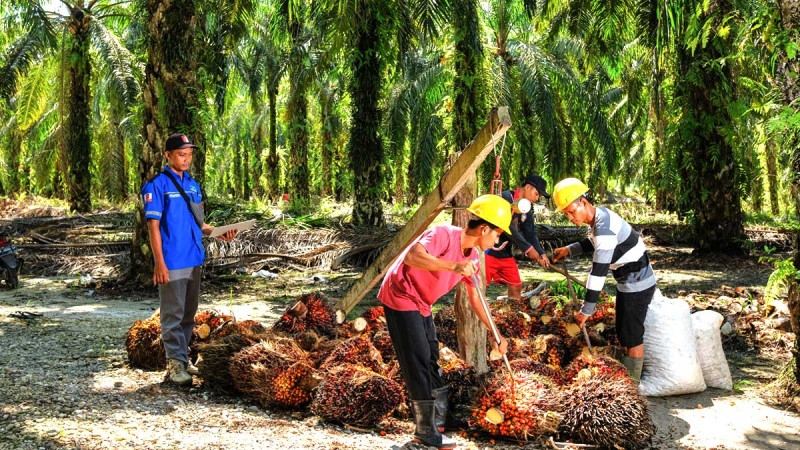
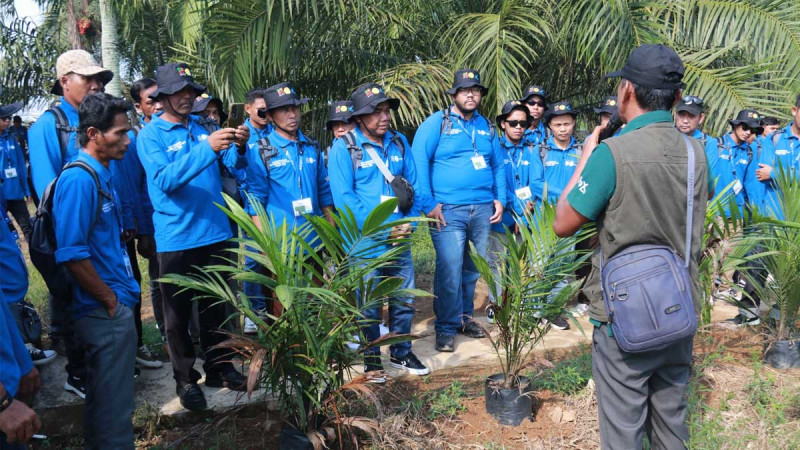
Combining classroom instruction with practical field exercises, the program equipped participants with technical knowledge and hands-on skills to manage oil palm plantations more efficiently, sustainably, and productively.
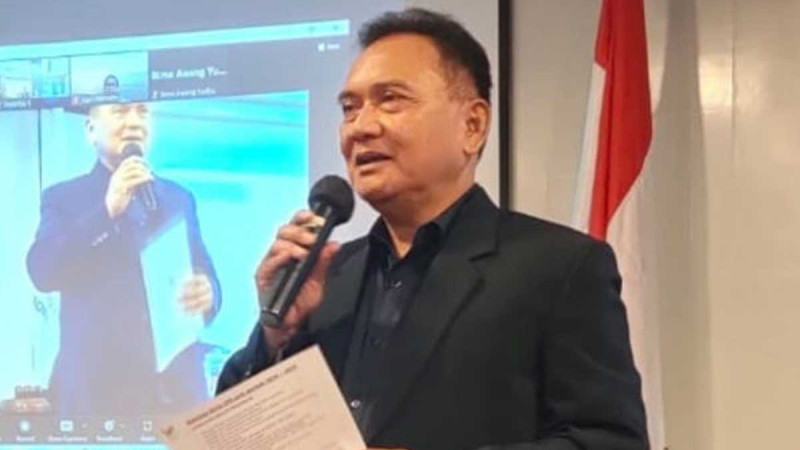
Speaking at the opening ceremony, Mula Putra, Head of the Smallholder Empowerment and Institutional Development Group at the Directorate of Oil Palm and Palma Crops, Directorate General of Estates, emphasized the crucial role played by smallholders in Indonesia's palm oil industry.
Although smallholder plantations account for a significant share of the country's oil palm area, he noted that productivity can still be substantially improved through better farmer capacity and technical expertise.
"Ogan Komering Ilir is one of South Sumatra's key palm oil-producing regions, with tens of thousands of hectares under smallholder cultivation. Strengthening farmers' technical capabilities is expected to directly improve yields while enhancing rural livelihoods," Mula Putra said in an official statement received by InfoSAWIT on Tuesday (July 7).
Throughout the training, participants studied every stage of sustainable oil palm cultivation, including plantation legal compliance, estate planning, land preparation based on soil and water conservation principles, nursery management, and proper planting techniques using certified high-yield seedlings.
The curriculum also covered maintenance practices for both immature and mature palms, including pruning, flower ablation, water management, and fertilizer application based on the 5T principle—the right type, dosage, timing, method, and target.
Integrated Pest Management (IPM) formed another key component of the program. Farmers learned how to identify major pests and diseases, implement environmentally responsible control measures, and apply occupational safety standards during plantation operations.
Beyond classroom sessions, participants took part in practical exercises such as testing fertilizer quality, measuring soil pH, and calculating pesticide requirements based on technical recommendations, enabling them to make more informed agronomic decisions.
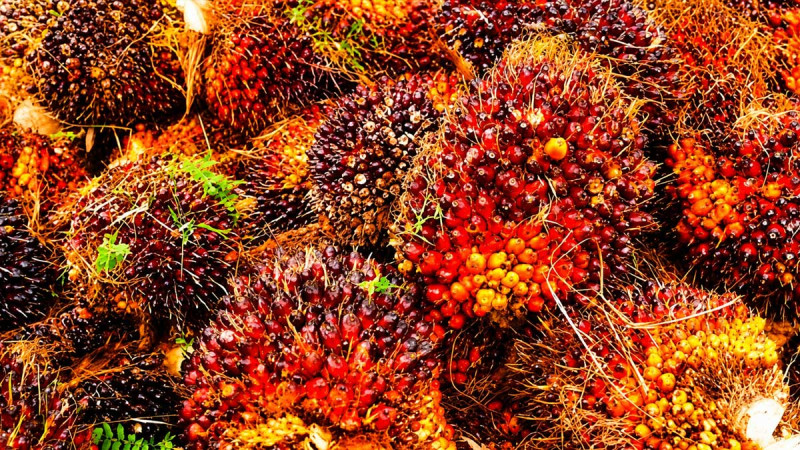
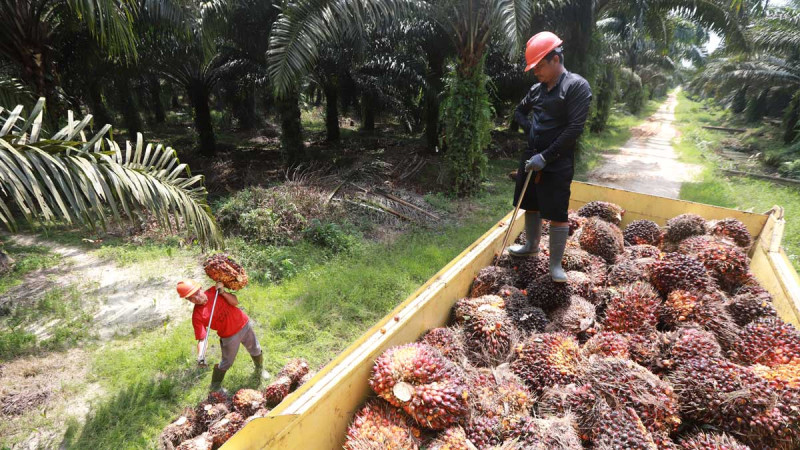
The training concluded with a field visit to the Sembawa Rubber Research Center, where participants observed best management practices covering nurseries, plantation maintenance, and fresh fruit bunch (FFB) harvesting.
A post-training assessment was conducted to evaluate participants' knowledge gains. Through the collaboration between BPDP, the Directorate General of Estates, and IPB Training, the program is expected to strengthen farmers' technical capacity, improve smallholder productivity in Ogan Komering Ilir, and contribute to the long-term competitiveness of Indonesia's palm oil industry. (T2)