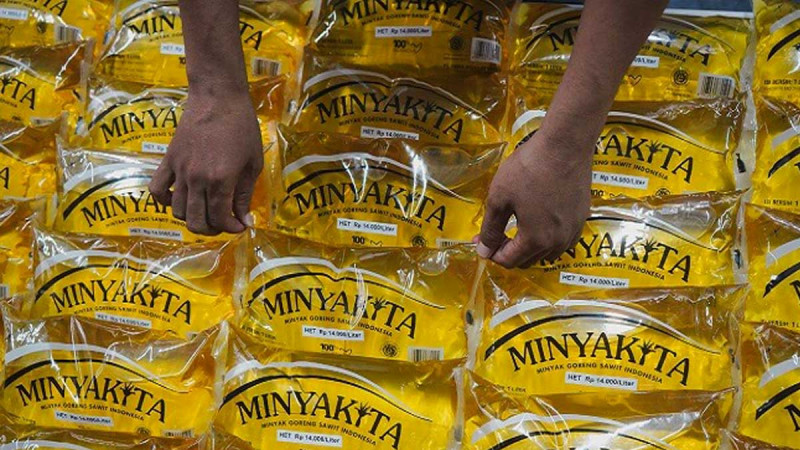
InfoSAWIT, JAKARTA – The Indonesian government has reinforced its palm cooking oil governance framework by issuing Minister of Trade Regulation (Permendag) No. 20 of 2026, amending Regulation No. 43 of 2025. The new regulation obliges producers to ensure adequate supplies of packaged palm cooking oil for household consumption, aiming to strengthen domestic market availability amid rising demand.
According to the regulation reviewed by InfoSAWIT on Monday (July 13, 2026), the policy is designed to maintain stable supplies of packaged palm cooking oil while improving distribution across the country and preventing shortages at the consumer level.
One of the key amendments is the introduction of Article 4A, which explicitly requires every producer to allocate packaged palm cooking oil to meet domestic household consumption. The provision reinforces producers' responsibility in safeguarding national cooking oil supplies.
The government has also strengthened enforcement mechanisms through Article 30A. Producers failing to meet their domestic supply obligations during periods of shortage will face administrative sanctions, beginning with up to three written warnings, each carrying a maximum compliance period of 14 working days.
If producers continue to ignore the requirement, authorities may impose stricter government enforcement measures, including warehouse closures and temporary suspension of business operations until domestic supply obligations are fulfilled.
The revised regulation also refines the administrative sanction process by assigning enforcement authority to senior officials responsible for consumer protection and trade order, as well as regional trade offices according to their respective jurisdictions.
In addition, authorities may recommend the suspension of a company's account in the Bulk Cooking Oil Information System (SIMIRAH) as part of regulatory oversight for businesses found violating the new provisions.
Minister of Trade Budi Santoso signed Regulation No. 20 of 2026 in Jakarta on June 29, 2026, and it took effect upon promulgation.
Through the updated regulation, the government expects to strengthen the governance of Indonesia's palm cooking oil sector, ensure smoother domestic distribution, and secure sufficient supplies for consumers as national demand continues to grow. (T2)