InfoSAWIT, JAKARTA - Efforts to ensure deforestation-free palm oil supply chains are entering a new phase of transparency as Nestlé launches a transparency dashboard detailing progress, lessons learned, and ongoing challenges across its global palm oil sourcing network.
According to the company, much of the data presented is sourced from Starling, a satellite-based monitoring system Nestlé has used since 2019 to oversee its entire palm oil supply chain. The system is complemented by on-the-ground investigations conducted in collaboration with suppliers and partners.
Since 2017, Starling has helped Nestlé analyze complex deforestation patterns in palm oil–producing regions, identifying locations, underlying drivers, and involved actors. The insights are used to assess risks around supplier mills, prioritize actions, and anticipate future deforestation threats.
“A data-driven approach allows us to engage suppliers in a more constructive and factual way,” said Benjamin Ware, Global Head of Responsible Sourcing at Nestlé, as quoted from the company’s official website on Thursday (1/1/2026). When alerts are triggered, Nestlé works with suppliers to determine whether the findings are linked to its supply chain and what mitigation steps are needed.
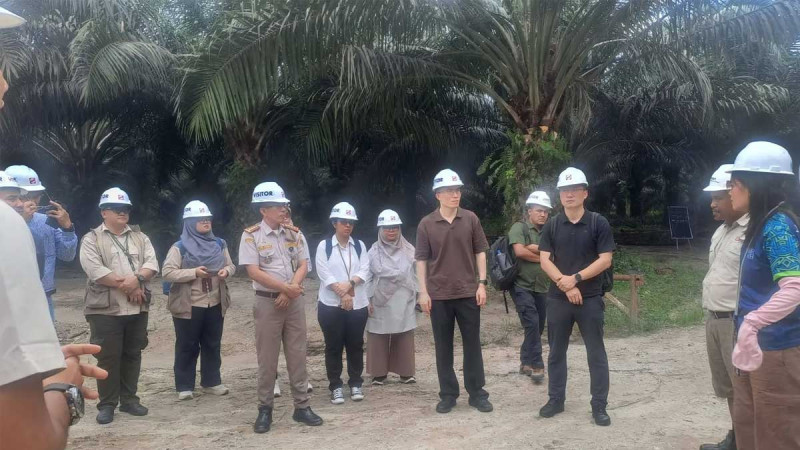
If necessary, Nestlé, together with Earthworm Foundation and suppliers, deploys field teams to verify satellite imagery. Investigation results inform decisions, including the potential suspension of business relationships if violations are confirmed.
Starling data also highlights persistent challenges. In 2021, nearly 97,000 deforestation alerts were recorded globally within a 50-kilometer radius of Nestlé supplier mills, representing an estimated 435,000 hectares of forest loss. However, such alerts do not automatically indicate a direct link to palm oil or Nestlé’s supply chain and require further analysis.
Another key finding shows a shift toward small-scale deforestation. More than half of forest loss since 2016 occurred in areas under five hectares, suggesting rising pressure from smallholder activities.
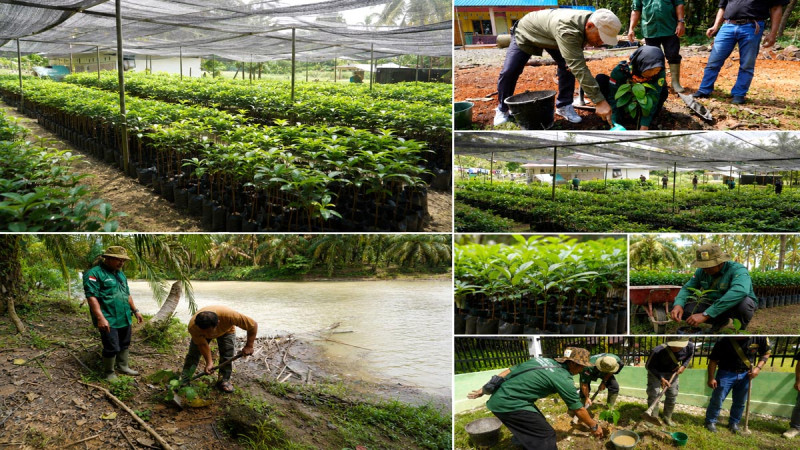
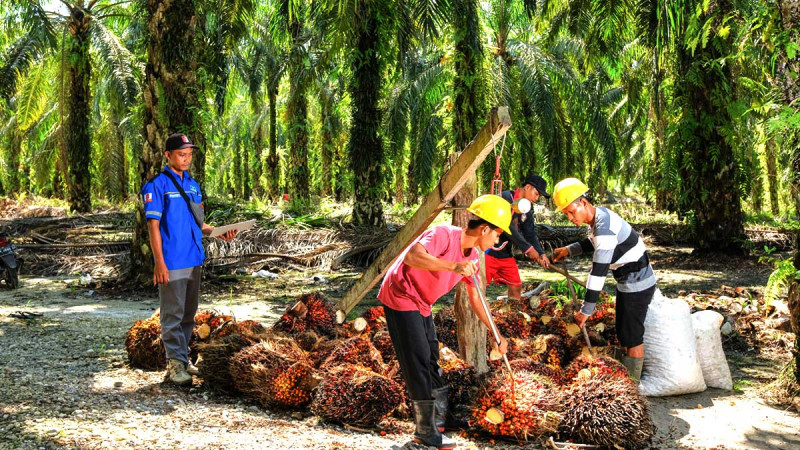
In response, Nestlé launched its Forest Positive Strategy in 2021, focusing on forest conservation and restoration, increased supply chain transparency, and support for smallholders, who account for about 40% of global palm oil production. The company emphasized that lasting deforestation-free palm oil can only be achieved through collaboration and supportive public policies. (T2)