InfoSAWIT, JAKARTA - 2026 seems to be an important momentum for Indonesia's palm oil industry. After three turbulent years due to fertilizer price pressures, export policies, and global energy dynamics, the sector is now embarking on a new path towards more stable and sustainable growth. Various indicators show positive trends: increasing production, returning normal weather, and strong domestic demand. However, behind this optimism, structural challenges still lurk — from ambitious biodiesel policies, slowing replanting, to regulatory uncertainties that could erode the competitiveness of the national palm oil industry.
Production Increases Amid Normal Weather
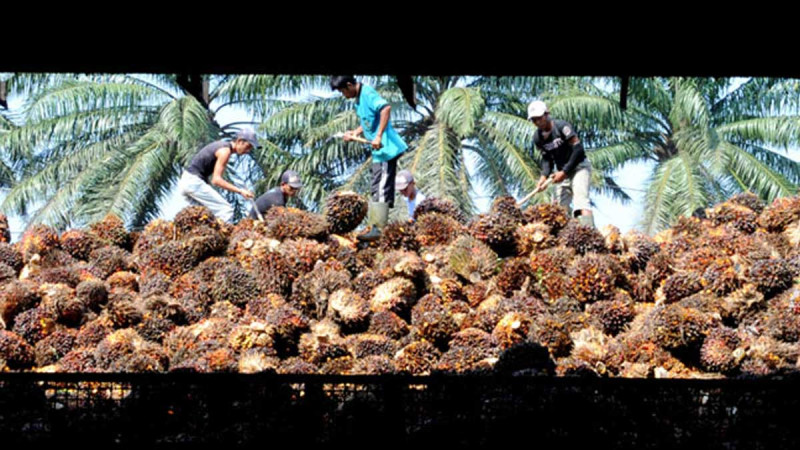
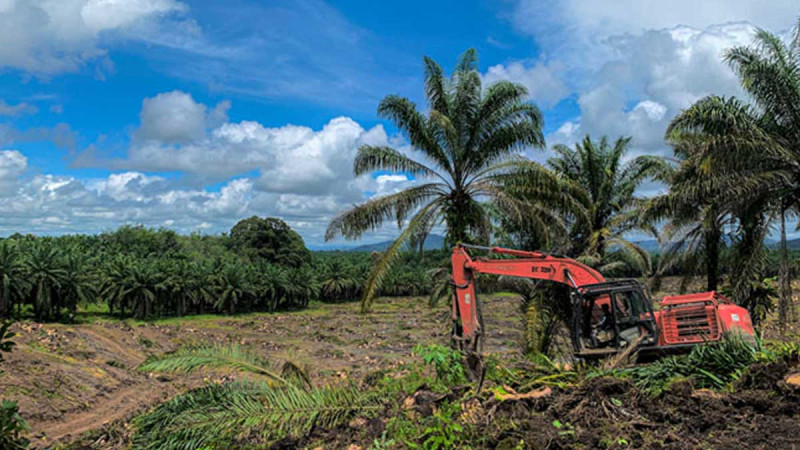
USDA (2025) data estimates that Indonesia's palm oil production in 2025/2026 will increase by about 3% to 47 million metric tons. This increase is driven by two main factors: normal weather conditions and improved fertilizer availability. The Meteorology, Climatology, and Geophysics Agency (BMKG) reports that the La Niña phenomenon that once reduced palm production in 2023–2024 ended in March 2025. This year, Indonesia will enter a neutral ENSO phase and Indian Ocean Dipole (IOD), meaning relatively stable rainfall and temperature distribution. In such conditions, fertilization becomes more effective and fruit set rates tend to increase. In addition to climate factors, the decline in fertilizer prices by 59% compared to their peak in 2022 provides fresh air for farmers. Garden maintenance has become intensive again, especially in southern Sumatra and Central Kalimantan, where productivity levels had declined due to post-pandemic cost efficiency. However, the national palm plantation area is expected to remain stable at 14.4 million hectares. Production increases will mostly come from productivity improvements, not area expansion. This means output growth will highly depend on effective garden management, use of superior seeds, and replanting programs.
Productivity: The Key to Uneven Competitiveness
Although production is increasing, the productivity gap between large plantations and small farmers remains wide. Small farmers, who manage 41% of the total national palm plantations, average only 3.2 tons of CPO per hectare, far below large companies that reach 4.5 tons (World Bank, 2023). The smallholder palm replanting program (PSR) should be the engine for productivity improvement. The government has increased PSR assistance from Rp30 million to Rp60 million per hectare since 2024, but its implementation is not yet optimal. Classic issues like land legality, access to financing, and slow field verification remain major obstacles. Yet, the success of PSR will determine the future of the palm oil industry. Without massive replanting, Indonesia risks production stagnation in the next five years, while pressures from biodiesel and food demand continue to rise.
Stable CPO Prices, But Narrowing Margins
From a price perspective, the 2026 outlook is relatively stable. Kenanga Research estimates CPO prices in the range of RM4,000–RM4,500 per ton, with an average of RM4,000 for next year. This price is still profitable, especially for efficient producers. However, global price stability does not automatically mean big profits at the producer level. High logistics costs, currency fluctuations, and export levies to fund biodiesel programs are narrowing industry margins. On the other hand, relatively high prices encourage the government to strengthen biodiesel programs. The B40 mandate was officially implemented in March 2025, and the B50 target is being prepared for 2026.
Biodiesel Policy: Between Ambition and Fiscal Reality
Biodiesel policy is indeed a symbol of Indonesia's energy independence. However, the sustainability of this program highly depends on the government's fiscal capacity. In 2025, biodiesel subsidies channeled through the Palm Oil Plantation Fund Management Agency (BPDP) reached Rp35 trillion — up 25% from the previous year. These funds come entirely from palm oil export levies. However, when exports decline due to global restrictions, levy funds automatically decrease. This is the paradox: the greater the domestic biodiesel needs, the heavier the fiscal burden on the industry. If the government insists on implementing B50 without considering fiscal balance and supply capacity, subsidies will swell and pressure BPDP liquidity. The impact could be cascading: delays in subsidy payments to biodiesel producers, supply disruptions to the domestic market, and pressure on CPO prices at the farmer level. The solution is not to cancel the biodiesel program, but to strengthen its funding governance. The government needs to restructure the export levy formula to be more flexible to global price movements, and expand funding sources by involving carbon credit schemes or green bonds for renewable energy.
DMO and Cooking Oil Prices: Recurring Market Distortions
In addition to biodiesel, the Domestic Market Obligation (DMO) policy for cooking oil is also a major concern. The Minyakita program, aimed at maintaining affordable food prices for the people, presents a classic dilemma between price stability and market efficiency. Although the highest retail price (HET) has been raised to Rp15,700 per liter in August 2024, real prices in the field are still 10–18% higher. This indicates weaknesses in the distribution system and supervision. Many business actors complain about shadow market practices such as repackaging, product bundling, and stock speculation. DMO is based on good intentions, but without digitizing the supply chain and data transparency, this policy will only widen the gap between market prices and official prices. The long-term solution is to implement a floating price mechanism for domestic cooking oil, where prices are periodically adjusted to global market fluctuations. The government can still provide selective subsidies to low-income households through a smart food card system, not by restricting prices across the entire supply chain.
Investment-Unfriendly Policies
Policy uncertainty is also the biggest barrier to new investments in the palm sector. Government Regulation (PP) No. 45 of 2025, which expands administrative and criminal sanctions for land governance violations, raises serious concerns among investors. Unclear definitions of violations and non-transparent appeal mechanisms increase legal risks. This situation is worsened by land seizures by state-owned enterprises like Agrinas in the name of asset optimization. For investors, such steps create the impression that the state is returning to interventionist patterns that are unfriendly to business. If left unchecked, the palm oil industry could lose its appeal. In a global business climate that increasingly demands certainty and ESG compliance (Environmental, Social, Governance), investors will easily shift capital to other agribusiness sectors that are more stable and transparent.
Export Opportunities and Palm Diplomacy
Amid domestic pressures, good news comes from the global market. The Indonesia-EU Comprehensive Economic Partnership Agreement (EU-CEPA), scheduled to take effect in mid-2026, has the potential to reopen European markets for Indonesia's sustainable palm products. EU-CEPA not only provides tariff preferences but also recognition of the Indonesian Sustainable Palm Oil (ISPO) certification as equivalent to European sustainability standards. This is a breakthrough in economic diplomacy that must be maximized. In addition to Europe, export opportunities also emerge in the US market. The return of high tariffs on vegetable oils from China and Latin America creates space for Indonesian palm products, especially for oleochemical and processed food industries. However, all these opportunities can only be utilized if Indonesia can maintain supply and domestic price stability. Unmeasured biodiesel and DMO policies could cut export potential when markets are opening.
Recommendations for Palm Oil Policy Reform 2026
To avoid stagnation traps and maintain Indonesia's position as the world's largest palm oil producer, several strategic steps need to be taken immediately:
Reform Palm Oil Fiscal Governance. BPDP needs to implement full transparency in managing CPO Fund. Fund allocation must be proportional between biodiesel support, smallholder replanting, and superior seed research innovation.
Evaluate PP No. 45/2025. The government needs to clarify violation definitions and strengthen appeal mechanisms to avoid creating legal uncertainty for investors and business actors.
Transform DMO into a Smart Market Scheme. Implement flexible prices with direct subsidies to vulnerable groups through a digital food system, not by restricting prices across the entire supply chain.
Accelerate Replanting and Farmer Financing Access. Encourage national banks to expand green financing with government guarantees, so small farmers can replant without administrative legality obstacles.
Consolidate Global Palm Diplomacy. Make EU-CEPA and G20 forums the main platforms for promoting sustainable palm, while strengthening ISPO recognition in international markets. The palm oil industry has proven its resilience in various crises. However, to survive in the era of energy and green economy transitions, this sector must dare to undertake structural reforms. Palm is not just about production and exports, but also about governance, economic justice, and environmental sustainability. With consistent, transparent, and productivity-oriented policies for small farmers, Indonesia will not only maintain its status as a global palm giant — but also make it the foundation of an inclusive and competitive green economy on the global stage. (*)
Author: Edi Suhardi / Sustainable Palm Analyst and Chairman of Positive Campaign Division, GAPKI
Disclaimer: The article is a personal opinion, and fully the responsibility of the author and has no relation to InfoSAWIT.