InfoSAWIT, JAKARTA – Palm oil occupies a unique position in the global economy. It is one of the world's most widely consumed vegetable oils, found in food products, cosmetics, household goods, and renewable fuels. Yet despite its extensive contribution to modern life, it continues to face some of the strongest criticism of any agricultural commodity.
At the heart of this contradiction lies a paradox: palm oil is often criticized precisely because it is exceptionally productive.
Compared with other vegetable oil crops, oil palm produces significantly more oil per hectare, allowing global demand to be met using substantially less land. Replacing palm oil entirely with alternatives such as soybean, sunflower, or rapeseed would require several times more agricultural land, potentially shifting deforestation pressures to other regions rather than eliminating them.
This reality illustrates why the debate surrounding palm oil extends far beyond environmental concerns alone.
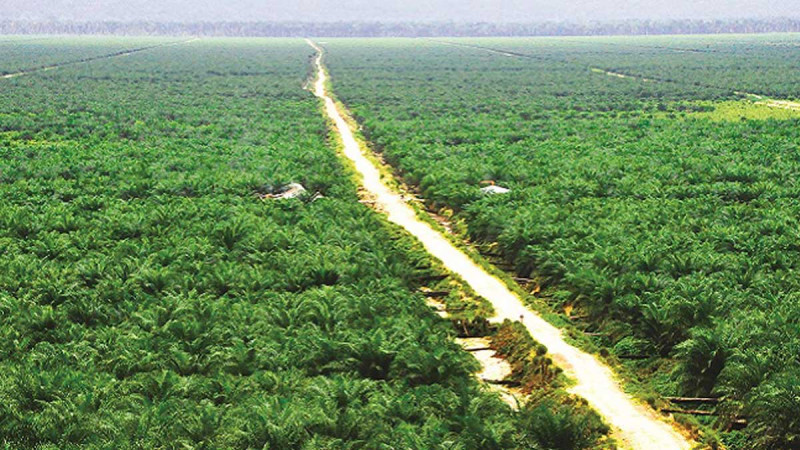
As global consumption continues to rise, expanding demand inevitably increases pressure on tropical landscapes where oil palm thrives. Images of large-scale plantations have become powerful symbols in environmental campaigns, often making palm oil the primary target of criticism despite its unmatched land-use efficiency.
At the same time, international trade dynamics also shape the narrative. In Europe and North America, domestically produced vegetable oils such as rapeseed, sunflower, and soybean compete directly with palm oil but generally cannot match its production efficiency or cost competitiveness. Consequently, sustainability regulations and non-tariff trade measures have become increasingly influential in global market access.
Nevertheless, legitimate challenges remain within the palm oil sector itself.
Issues such as historical deforestation, land conflicts, biodiversity conservation, and income disparities among independent smallholders continue to demand serious attention. These are structural challenges that require stronger governance, greater transparency, and consistent law enforcement rather than defensive rhetoric alone.
For Indonesia, the long-term solution lies not in rejecting international criticism outright but in strengthening the industry's own sustainability credentials.
Improving productivity through replanting, adopting best agricultural practices, supporting independent smallholders, and expanding value-added downstream industries can increase production without further forest conversion. Such reforms would benefit not only international market acceptance but also Indonesia's own environmental resilience and rural economy.
With independent farmers cultivating more than 40 percent of the country's oil palm area, empowering smallholders remains central to ensuring that economic gains are distributed more equitably across producing regions.
Ultimately, palm oil should neither be portrayed solely as an environmental villain nor viewed merely as a source of export revenue. Its future depends on achieving a better balance between economic efficiency, social inclusion, and ecological responsibility—demonstrating that sustainable development and competitive agricultural production can coexist. (*)
By Edi Suhardi / Sustainable Palm Oil Analyst
Disclaimer: The views expressed in this article are solely those of the author and do not necessarily reflect the editorial position or opinions of InfoSAWIT