InfoSAWIT, SANGATTA – The East Kutai Women’s Empowerment and Child Protection Agency (DPPPA) is encouraging palm oil plantation companies in East Kutai, East Kalimantan, to strengthen decent work practices that are responsive to gender needs.
The approach is intended to help create workplaces that are safe, fair and humane while providing equal opportunities for male and female workers.
According to the East Kutai administration, gender-responsive employment policies need to recognize that male and female workers can have different needs and circumstances. The approach is also expected to strengthen labor protection, particularly for women working in the palm oil sector.
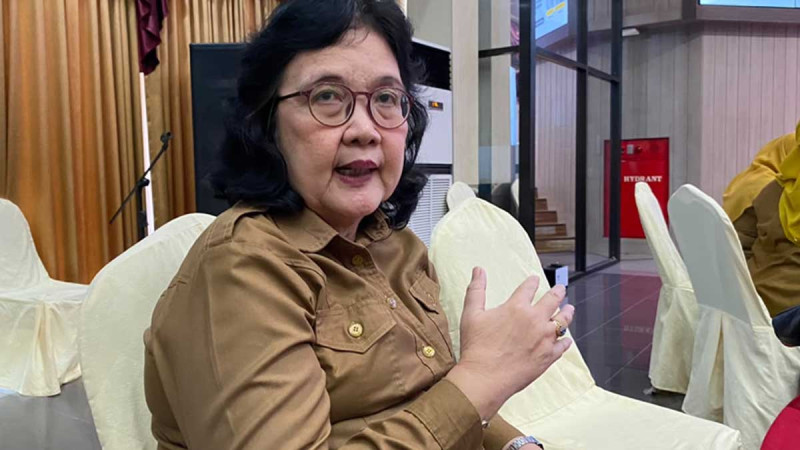
DPPPA East Kutai policy analyst Femmy Macawalang said the local government already had policy foundations related to gender mainstreaming and would continue strengthening implementation through collaboration with stakeholders.
She said gender-responsive policies should not simply mean providing different treatment to women. Workplace facilities, planning, implementation and evaluation should take into account the needs of men, women, children and workers with disabilities.
Among the issues highlighted are workplace facilities, occupational safety and health, and leave entitlements, including provisions relevant to female workers. The availability of a safe and comfortable working environment was also emphasized.
The agency also pointed to reproductive rights as part of worker protection, including maternity leave and menstrual leave. At the same time, Femmy said gender responsiveness should extend beyond women’s specific needs.
Male workers should also have opportunities to fulfill family responsibilities, including accompanying their wives when they are ill or undergoing childbirth.
DPPPA East Kutai is also encouraging palm oil companies to establish gender committees as part of efforts to prevent discrimination, violence and sexual harassment in the workplace.
The committees are expected to serve as an internal mechanism for monitoring gender-responsive policies and helping ensure that workers’ concerns are addressed appropriately. Companies that do not yet have such committees are being encouraged to establish them.
Femmy said assessments of gender-responsive practices should not be conducted in isolation. Labor issues need to be considered alongside education, healthcare, cooperatives, child protection and other related sectors.
The cross-sector approach is intended to make worker protection more comprehensive rather than limiting gender-related policies to the workplace.
DPPPA East Kutai hopes companies with existing gender committees will continue strengthening their roles, while those without them can begin establishing the necessary mechanisms to support safer, more equal and discrimination-free workplaces for plantation workers. (T2)
Source: InfoSAWIT