InfoSAWIT, JAKARTA – Indonesia's mandatory B50 biodiesel program has been reaffirmed as a strategic pillar in the country's drive toward energy self-sufficiency, with the government highlighting the palm oil industry's growing role in reducing dependence on imported fossil fuels while supporting national development.
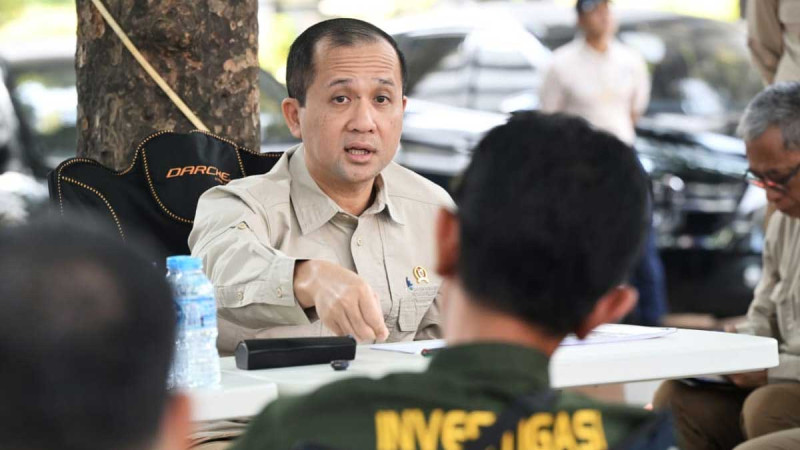
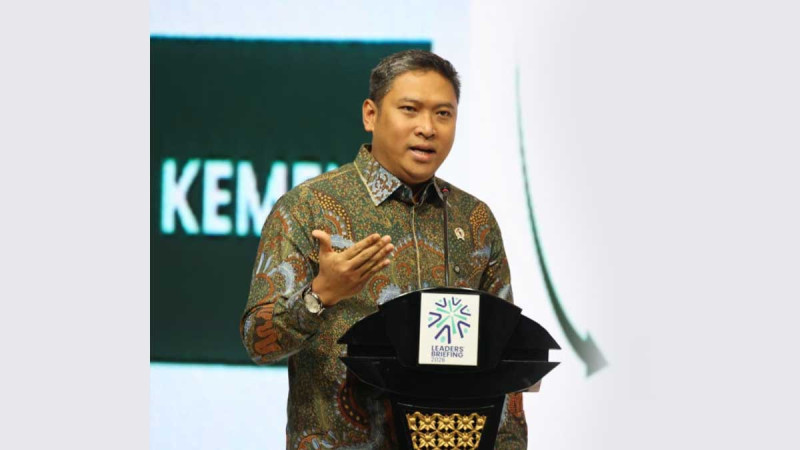
Speaking at the Leaders Briefing held at the PLN Auditorium in Jakarta, Deputy Minister of Agriculture Sudaryono said the B50 mandate reflects the government's commitment to achieving tangible results through its Best Fast Result (BFR) approach, an initiative championed by President Prabowo Subianto to accelerate strategic national programs.
According to an official statement received by InfoSAWIT on Monday (July 20), Sudaryono said Indonesia is seeking to maximize its domestic resources across agriculture and energy to strengthen national resilience.
"The President wants strategic programs to be implemented under the Best Fast Result principle. Food and energy self-sufficiency must move beyond policy discussions and become reality," he said.
Sudaryono described the B50 biodiesel mandate as a concrete example of how Indonesia can leverage its status as the world's largest palm oil producer to build renewable energy capacity. By increasing the biodiesel blend to 50 percent palm oil-based fuel, the country can substantially reduce diesel imports while creating stronger domestic demand for locally produced crude palm oil.
He emphasized that the policy also demonstrates the direct contribution of Indonesia's oil palm smallholders to national energy security.
"With B50, biodiesel production no longer depends entirely on imported fuel. Half of the blend comes from palm oil produced by Indonesian farmers, proving that an agricultural nation can optimize its own resources to achieve energy independence," Sudaryono said.
He added that strengthening energy resilience goes hand in hand with improving food security. Lessons learned during the COVID-19 pandemic underscored the importance of domestic production, particularly when exporting countries prioritized their own food supplies.
Indonesia has since made significant progress toward food self-sufficiency and is now accelerating efforts to achieve the same objective in the energy sector, he said.
Sudaryono noted that the Best Fast Result framework serves as the government's primary strategy for implementing national priority programs, ensuring that development policies deliver measurable benefits to the public within a shorter timeframe.
Meanwhile, Presidential Special Envoy for Climate and Energy Hashim S. Djojohadikusumo said strengthening Indonesia's energy security has become increasingly urgent amid global geopolitical uncertainty and volatile international energy markets.
Hashim noted that the government's agenda extends beyond energy independence to include downstream industrial development, stronger national connectivity, and a faster transition toward a cleaner and more sustainable energy system.
Echoing those views, Darmawan Prasodjo, President Director of state electricity company PLN, said Indonesia is transforming its energy system from one that relies heavily on imported fuels to one powered by domestic resources.
The transition, he said, is expected to reinforce national energy resilience while generating broader economic benefits, including higher investment, job creation, and improved public welfare.
Through the Leaders Briefing, the government also encouraged leaders from various sectors to become strategic partners in communicating national development priorities and strengthening collaboration toward achieving food security, energy independence, and sustainable economic growth based on Indonesia's domestic resources. (T2)