InfoSAWIT, JAKARTA – The Indonesian Palm Oil Farmers Organizations Association (POPSI) has urged the government to conduct a comprehensive audit of state-seized oil palm plantations following recent legal developments involving Febrie Adriansyah, former head of Indonesia’s Forest Area Enforcement Task Force (Satgas PKH).
The organization said the review should ensure that every stage of the seizure and subsequent management of state-controlled plantation assets is conducted transparently, accountably, and in accordance with existing laws.
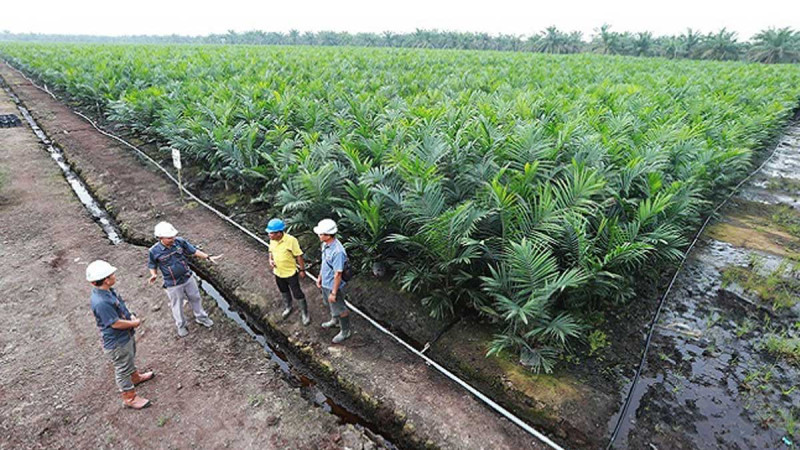
POPSI Chairman Mansuetus Darto said the proposed audit should extend beyond the legal designation and confiscation process to include the operational management of plantations that have since come under state control. The Forest Area Enforcement Task Force previously oversaw the seizure of approximately 4.09 million hectares of oil palm plantations located within designated forest areas.
According to Darto, POPSI has consistently advocated a review of the government's seizure policy, arguing that several legal and administrative issues surrounding the process require closer examination.
"From the outset, POPSI has called for an evaluation of the plantation seizures because we believe there are still legal and administrative issues that deserve attention. The latest legal developments further reinforce the importance of conducting such a review," Darto said in a statement received by InfoSAWIT on Thursday (July 16).
He added that the audit should provide public accountability by clarifying the total area of plantation assets transferred to the state, the mechanisms governing the transfer, the institutions responsible for managing the estates, production levels, and how revenues generated from those assets are ultimately utilized.
"The public has the right to know how much plantation land has become state property, how the transfer process was carried out, who manages the estates, how management appointments were made, how much they produce, how the proceeds are managed, and whether these assets are delivering tangible benefits for the country and society," he said.
Meanwhile, Gunawan, Senior Advisor to the Indonesian Human Rights Committee for Social Justice (IHCS), argued that the evaluation should also focus on protecting the rights of communities affected by forest area enforcement measures.
According to him, the Forest Area Enforcement Task Force should establish an effective complaint mechanism to address potential errors in identifying either affected land or rightful landholders. Such safeguards, he said, are necessary to ensure that communities protected under existing legislation or Constitutional Court rulings are not unfairly disadvantaged.
Gunawan, who also serves on the advisory board of the Indonesian Oil Palm Village Association (ADeSI), noted that disputes involving forest boundaries or land with unresolved legal status should prioritize settlement through Indonesia's Settlement of Land Occupation in Forest Areas (PPTKH) mechanism rather than relying solely on enforcement actions.
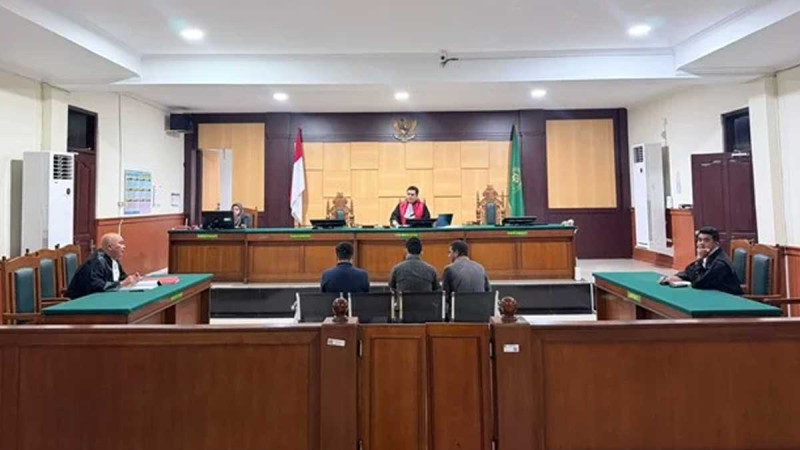
Despite its call for an audit, POPSI stressed that the recommendation should not be interpreted as linking the entire performance of the Forest Area Enforcement Task Force to the legal case involving Febrie Adriansyah. The organization reaffirmed its respect for the presumption of innocence and said it would leave the ongoing legal proceedings to the relevant authorities.
Darto emphasized that the broader objective is to strengthen governance rather than focus exclusively on individual legal cases.
"Our concern is institutional reform. Public attention should not stop at legal proceedings against an individual while oversight of state assets worth billions is overlooked. The government must ensure that every stage—from seizure to long-term management—is transparent, professional, and fully accountable," he said.
He also suggested that plantations currently managed by Agrinas should be included in the audit to ensure the assets are generating optimal benefits for the state while minimizing future legal uncertainties and protecting the interests of surrounding communities.
According to POPSI, the current situation presents an opportunity to strengthen governance of state-controlled plantation assets by reinforcing transparency, accountability, legal certainty, and protection of community rights as integral components of Indonesia's palm oil sector management. (T2)