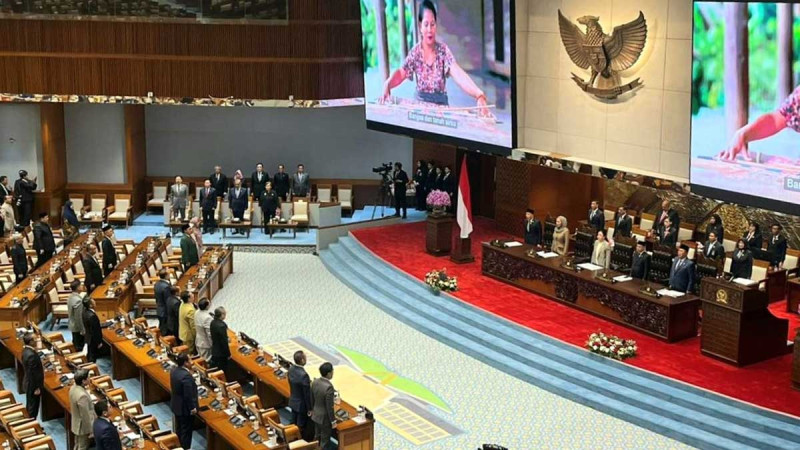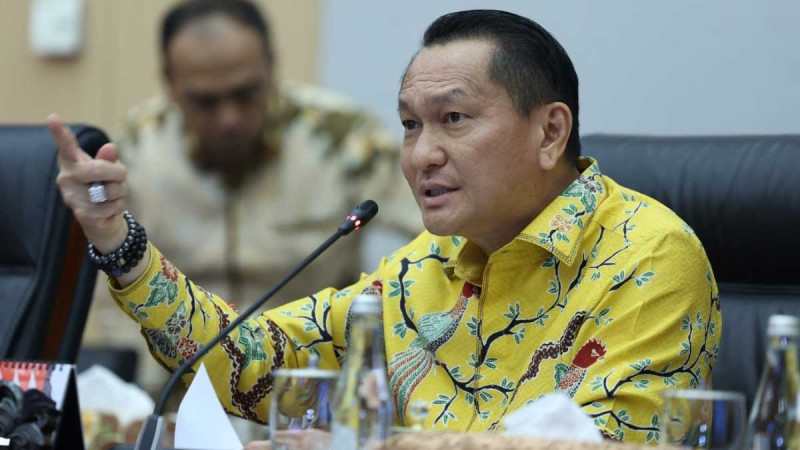
InfoSAWIT, JAKARTA – Indonesia's mandatory B50 biodiesel program represents a major milestone in the country's drive to strengthen energy security while accelerating downstream development of its palm oil industry, according to Bambang Patijaya, Chairman of Commission XII of the House of Representatives (DPR RI).
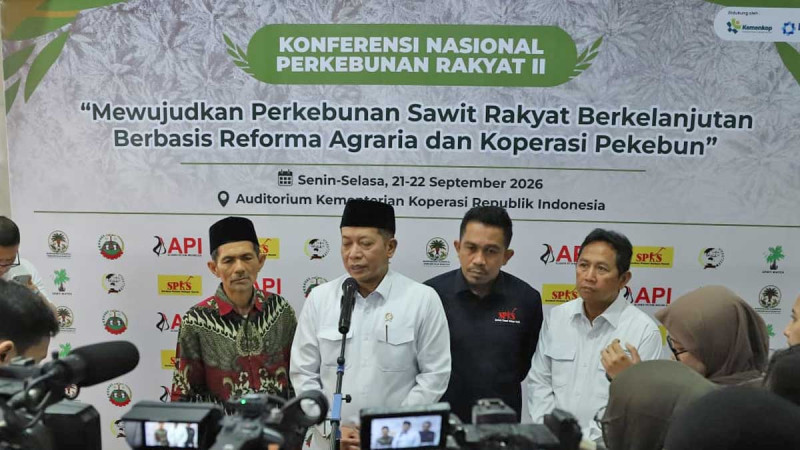
Speaking after a hearing between Commission XII and Sawit Watch, along with its coalition members including the Indonesian Oil Palm Smallholders Union (SPKS), at the Parliament Complex in Jakarta, Bambang said Indonesia has become the first country to successfully implement a nationwide biodiesel blend containing 50% palm-based fuel.
"The B50 program is a remarkable, fundamental, and monumental achievement because Indonesia is the only country in the world capable of implementing it. It reflects our commitment to strengthening national energy security," Bambang said, as quoted by InfoSAWIT from Parlementaria on Wednesday (July 15, 2026).
He noted that the policy plays a strategic role in reducing Indonesia's dependence on imported diesel fuel while expanding the utilization of renewable energy derived from palm oil.
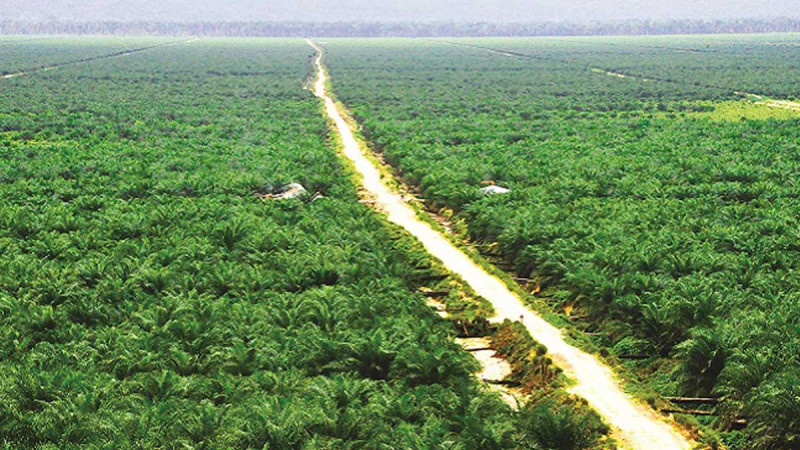
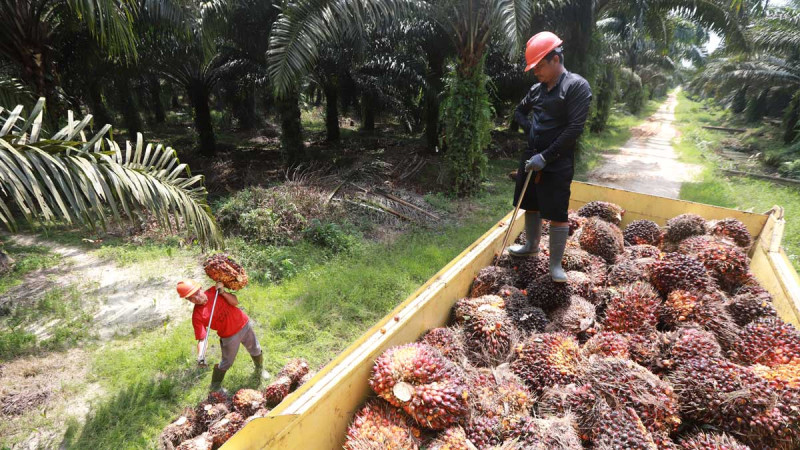
According to Bambang, the successful implementation of B50 also demonstrates continued progress in the downstream development of Indonesia's palm oil industry. Using crude palm oil (CPO) as feedstock for biodiesel increases the commodity's added value while reinforcing the domestic market.
During the meeting, Sawit Watch and SPKS proposed allowing independent smallholder cooperatives to participate in the production of fatty acid methyl ester (FAME), the primary feedstock used in biodiesel manufacturing. The proposal aims to broaden smallholder participation in the country's biodiesel value chain.
Bambang said the proposal deserves careful consideration, while emphasizing that FAME production must comply with technical requirements, governance standards, quality controls, and auditing procedures to ensure the reliability of biodiesel supplies.
"We will accommodate the recommendations and aspirations submitted by Sawit Watch and its partners and forward them to the Directorate General of New, Renewable Energy and Energy Conservation (EBTKE), so that greater participation by cooperatives and local communities in FAME production can be considered in the future," he said.
He added that involving independent oil palm smallholder cooperatives could help distribute the economic benefits of the biodiesel mandate more broadly. However, implementation must remain aligned with existing regulations and technical readiness to safeguard the sustainability of the B50 program.
Commission XII, Bambang said, will formally submit the proposal to the Directorate General of New, Renewable Energy and Energy Conservation (EBTKE) under the Ministry of Energy and Mineral Resources as input for future improvements to Indonesia's biodiesel policy.
According to him, strengthening the B50 program is not only about enhancing national energy security but also about ensuring that the economic gains from palm oil downstream development are shared more widely among businesses, cooperatives, and independent smallholders across the country. (T2)