InfoSAWIT, JAKARTA – Indonesia's domestic market is expected to become the primary force shaping the country's palm oil industry during the third quarter of 2026, as mandatory B50 biodiesel implementation significantly increases local consumption and tightens the national crude palm oil (CPO) balance, according to the latest outlook released by the Indonesia Palm Oil Strategic Studies (IPOSS).
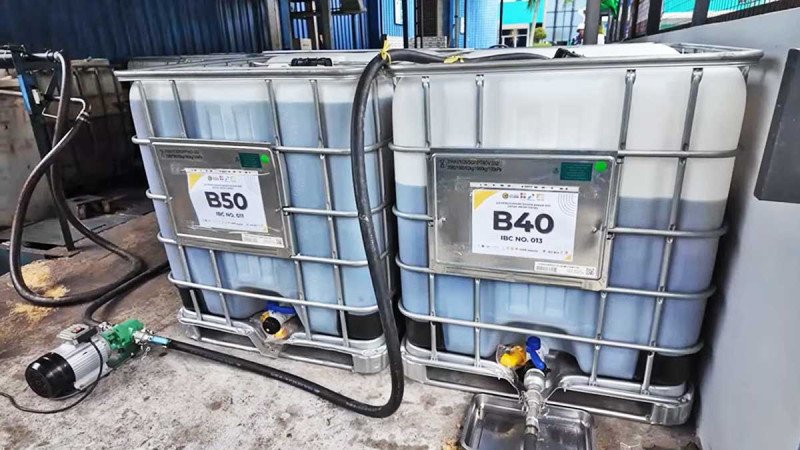
In its Indonesia Palm Oil Industry Outlook Q3 2026, titled "Strengthening the Domestic Market as the Driver of Global Palm Oil", IPOSS projects that the nationwide rollout of the B50 biodiesel mandate, effective from July 1, 2026, will substantially boost palm oil demand from the domestic energy sector.
The report forecasts that Indonesia will produce only around 11.1 million metric tons of crude palm oil (CPO) and crude palm kernel oil (CPKO) during the July–September period, representing a decline of approximately 3 million tons compared with the same quarter last year.
Lower production is expected to be most pronounced in July and September, as the lingering effects of El Niño–Southern Oscillation (ENSO) and a positive Indian Ocean Dipole (IOD) continue to suppress plantation productivity across several producing regions.
While production softens, domestic consumption is projected to expand significantly. IPOSS estimates total domestic palm oil demand will reach 7.2 million tons in the third quarter, an increase of 12.9% year-on-year.
Much of that growth will be driven by the biodiesel program. The B50 mandate alone is expected to absorb approximately 4.25 million tons of CPO, accounting for nearly 60% of Indonesia's total domestic palm oil consumption during the quarter.
The growing influence of the energy sector is fundamentally changing the country's palm oil market dynamics, with domestic demand increasingly determining supply allocation and overall market balance.
As local consumption rises while production weakens, export availability is expected to tighten considerably. IPOSS projects Indonesia's palm oil exports will fall to approximately 4.3 million tons during the third quarter, nearly half the 8.3 million tons exported during the same period in 2025.
The report emphasizes that the projected decline in exports should not be interpreted as weakening global demand. Instead, it reflects a strategic reallocation of supplies to satisfy expanding domestic requirements, particularly for biodiesel production. Under this scenario, exports effectively become the balancing mechanism that preserves national supply security.
Meanwhile, Indonesia's palm oil inventories are forecast to decline to approximately 1.1 million tons by the end of September 2026. Lower stock levels are expected to leave the market increasingly sensitive to production disruptions or unexpected demand growth, potentially influencing the broader global vegetable oil market.
From a pricing perspective, IPOSS expects international CPO prices to remain supported through the end of the third quarter, driven by constrained Indonesian export supplies, tightening inventories, and stronger domestic demand resulting from the B50 mandate.
Domestic prices, however, may follow a different trajectory. After strengthening earlier in the quarter, Indonesian CPO prices could come under pressure toward September as higher export duties (BK) take effect. Under Indonesia's progressive export levy system, rising reference prices automatically increase export charges, reducing exporters' net returns and encouraging more palm oil to remain within the domestic market.
Beyond market fundamentals, the Q3 outlook also examines several strategic issues expected to shape the industry's future, including the effectiveness of the Domestic Market Obligation (DMO) policy for cooking oil, productivity improvements among smallholders, the proposed establishment of a state-owned export company, Indonesia's preparedness for the European Union Deforestation Regulation (EUDR), the long-term financing of biodiesel through the Palm Oil Plantation Fund Management Agency (BPDP), and the need for greater integration of national palm oil supply chain data.
According to IPOSS, the third quarter of 2026 will represent a critical period for Indonesia's palm oil industry as policymakers and industry stakeholders seek to balance competing priorities—including food security, renewable energy, exports, inventory management, productivity, and sustainability—while the domestic market assumes an increasingly decisive role in shaping the future direction of the sector. (T2)