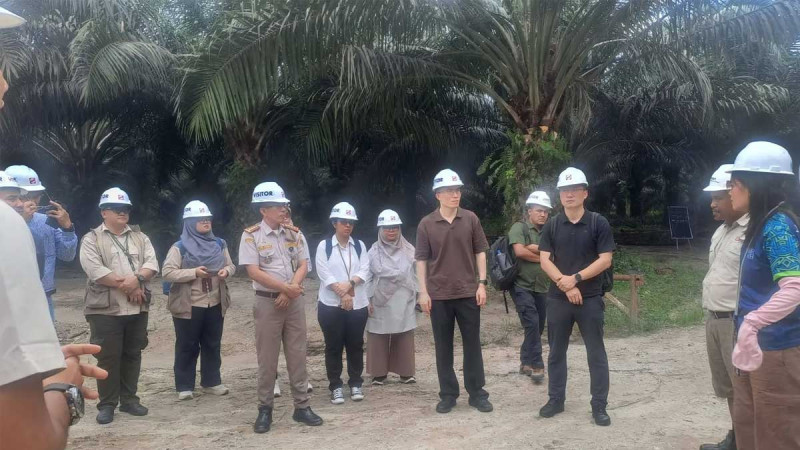
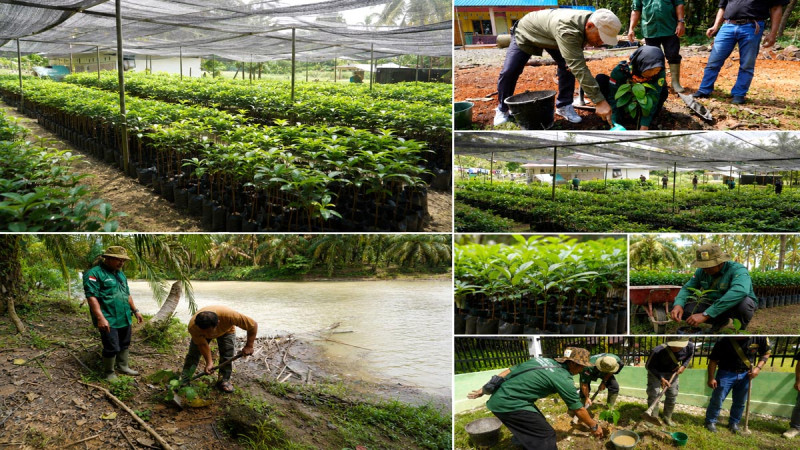
InfoSAWIT, LAMANDAU — Sustainability in the palm oil sector does not always come from large corporations. At the village level, Berkah Mulya Jaya Village-Owned Enterprise (BUMDes BMJ) in Lamandau, Central Kalimantan, is proving that independent smallholders can also turn ESG principles—environmental, social, and governance—into real action.
Throughout 2025, the RSPO-certified BUMDes BMJ secured Rp 1.2 billion in revenue through the RSPO book and claim scheme, a significant jump compared to the previous year’s achievement of around Rp 762 million. The increase has opened wider opportunities for BUMDes BMJ to fund innovation and programs that directly strengthen the sustainability of community-based palm oil operations.
BUMDes BMJ Director Choirul Fuadi said the RSPO credit revenue has become the backbone of financing for the environmental and conservation initiatives carried out by the village enterprise. The funds are specifically channeled to support ESG implementation among independent palm oil farmers under the BUMDes network.
Toward the end of 2025, BUMDes BMJ delivered one of its flagship programs by allocating Rp 21 million for village forest management and an orangutan adoption program in Salat Island, Central Kalimantan. The initiative is carried out in collaboration with the Borneo Orangutan Survival Foundation (BOSF), demonstrating active commitment to protecting biodiversity around palm oil landscapes.
“This allocation reflects our commitment to protecting the environment around our members’ plantations,” Choirul said, as quoted by InfoSAWIT from Fortasbi on Monday (January 12, 2026). He stressed that sustainability should not stop at certification, but must be translated into concrete steps that deliver benefits to nature and local communities.
Choirul added that RSPO credits are now a key source of support for BUMDes BMJ to expand its impact-driven programs while improving services for its members—most of whom are independent smallholders. He also expressed hope that more buyers would support RSPO credits from smallholders as part of a shared effort to build a sustainable palm oil supply chain.
“Farmers still need support from many parties. We cannot move forward alone in implementing sustainability principles and criteria,” he said.
With continued support, Choirul is optimistic that independent palm oil smallholders can “move up a level”—in terms of human resource capacity, environmental awareness, and social commitment within the plantation sector. He also expressed appreciation to all stakeholders who have consistently supported smallholder sustainability efforts.
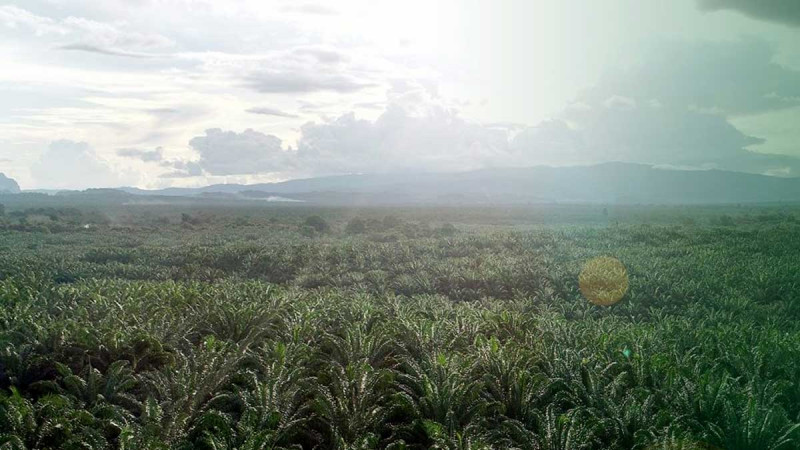
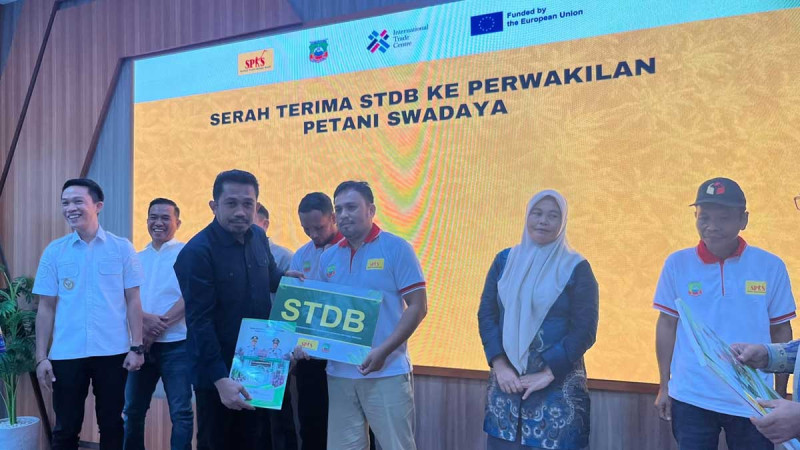
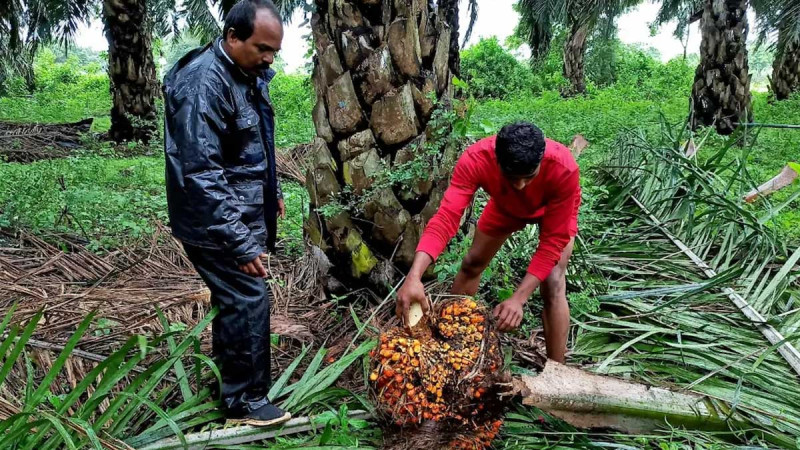
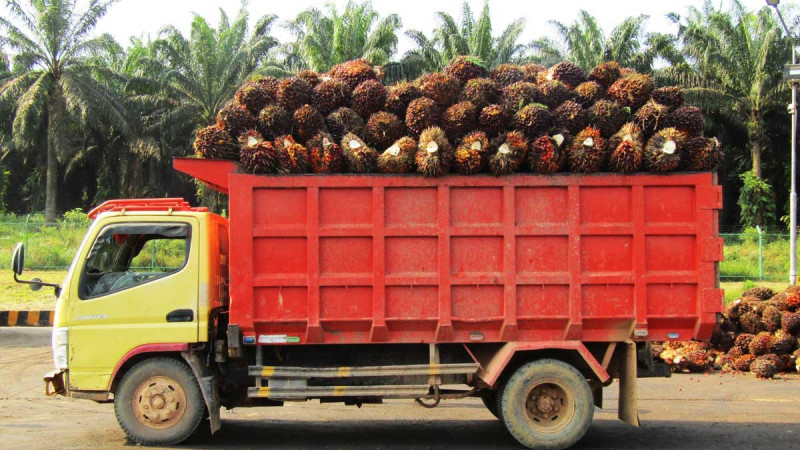
Currently, BUMDes Berkah Mulya Jaya oversees 128 certified independent palm oil farmers managing a total planted area of 556.7 hectares. The farmers are organized into five groups across Mekar Mulya Village, Sematu Jaya Subdistrict, Lamandau Regency, Central Kalimantan. From this village, community-driven sustainable palm oil practices continue to grow—offering fresh hope for the future of smallholder plantations. (T2)