InfoSAWIT, JAKARTA – Amidst Indonesia’s sweeping transformation toward sustainable palm oil, independent smallholders are beginning to claim a more central role. No longer seen as mere peripheral contributors, these farmers are gaining recognition as critical actors in the pursuit of sustainability.
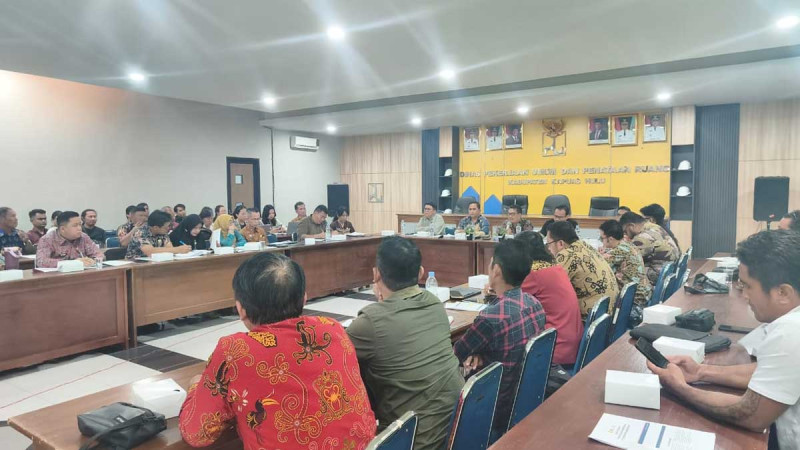
This momentum was palpable during the Thought Leadership Forum held at Trisakti University on Tuesday (May 27, 2025), themed “Bridging Policy and Practice: Harmonizing Local Regulations with Global Sustainability Standards.” The event gathered stakeholders from government, the private sector, farmer organizations, and international entities such as RSPO and GIZ.
In his opening remarks, Trisakti University Rector Prof. Kadarsah Suryadi emphasized the university’s commitment to sustainable development. “We want Trisakti to be a driving force for change. Education and collaboration are the keys,” he said.
One of the most compelling sessions came when Sekadau Regent Aron shared on-the-ground insights. Since 2022, Sekadau has implemented a Regional Action Plan (RAD) for Sustainable Palm Oil in line with national policy. However, Aron was candid about the challenges.
“Our farmers are RSPO-certified, yet the price they receive for their FFB is still the same as those without certification,” he explained. Without price differentiation, the incentive to uphold sustainable practices weakens.
This concern was echoed by RSPO Indonesia’s Deputy Director of Market Transformation, Mahatma Windrawan Inantha. He acknowledged that the RSPO certification system, including the book and claim mechanism, is designed to support smallholders—but stressed that this is just the beginning.
“Independent farmers need to level up—not only by selling RSPO credits but by entering the physical supply chain of sustainable palm oil,” said Windrawan. One approach is to connect certified farmers with RSPO-certified mills, thereby expanding market access and strengthening their bargaining power.
The forum was not just a space for dialogue—it aimed to produce concrete recommendations, including innovative funding schemes, multi-stakeholder synergies, and integrating regenerative agriculture into regional planning.
As the world’s largest palm oil producer, Indonesia faces dual pressures: meeting global sustainability demands while ensuring the livelihoods of millions of smallholders. The challenge is immense, but as shown in this forum, the spirit of collaboration is equally strong.
What is now needed are tangible actions—so that independent farmers don't just "move up the ranks" on paper, but experience real change in their fields. (T2)