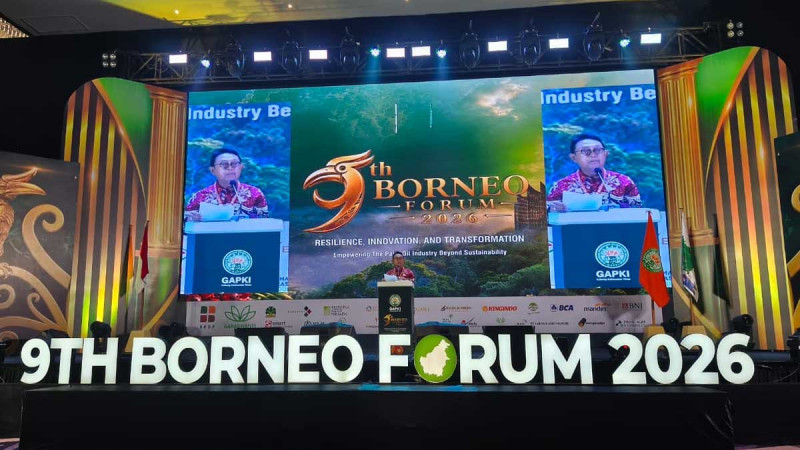
InfoSAWIT, BALIKPAPAN – The Indonesian Palm Oil Association (GAPKI) has reaffirmed that innovation, productivity improvement, downstream development, and stronger collaboration among stakeholders will be essential to maintaining the global competitiveness of Indonesia's palm oil industry. The message was delivered during the 9th Borneo Forum 2026, held in Balikpapan under the theme "Resilience, Innovation, and Transformation: Empowering the Palm Oil Industry Beyond Sustainability."
GAPKI Chairman Eddy Martono said Indonesia's palm oil industry has consistently demonstrated resilience through major economic challenges, including the 1998 Asian financial crisis, the 2008–2009 global financial crisis, and the COVID-19 pandemic. Throughout these periods, the sector remained one of the country's key economic pillars.
During the pandemic, Indonesia's palm oil industry generated approximately US$39.2 billion in foreign exchange earnings while continuing to create employment opportunities, even as many other sectors experienced workforce reductions. Eddy noted that the industry remains strategically important because it contributes significantly to export revenues, supports millions of jobs, and drives economic activity across Indonesia's plantation regions.
He emphasized that Indonesia still has substantial room to increase national palm oil productivity, particularly through strengthening the country's independent and plasma smallholder sector, which accounts for roughly 41 percent of the nation's total oil palm plantation area. Accelerating the Smallholder Palm Oil Replanting Program (PSR), supported by the Palm Oil Plantation Fund Management Agency (BPDP), will be crucial to improving yields through certified planting materials, modern cultivation practices, and continuous technical assistance.
Beyond productivity improvements, GAPKI believes the industry's long-term growth will depend on technological innovation, digitalization, mechanization, research, and accelerated downstream processing. These initiatives are expected to generate greater added value while reinforcing Indonesia's leadership in the global palm oil market.
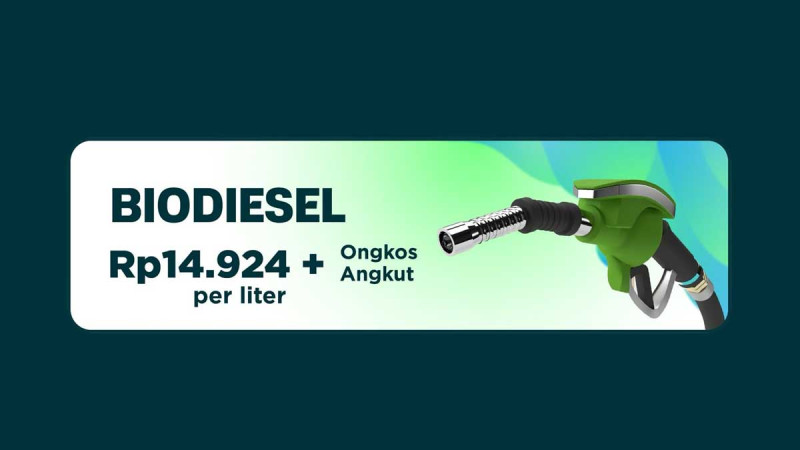
Eddy also reiterated GAPKI's support for the planned development of palm oil mills (PKS) based on regional production needs, arguing that well-planned processing capacity would help build a more efficient, competitive, and sustainable industry. He added that Indonesia's mandatory biodiesel policy has become one of the strongest examples of the strategic role palm oil plays in supporting the country's energy security.
On sustainability, Eddy stressed the importance of implementing the Indonesian Sustainable Palm Oil (ISPO) certification system alongside internationally recognized sustainability standards to enhance the competitiveness of Indonesian palm oil products in export markets. He also praised the Indonesian government for maintaining open dialogue with industry stakeholders, emphasizing that cooperation among the central government, regional administrations, BPDP, companies, and smallholders will remain critical to building a modern, productive, and sustainable palm oil industry.
Expressing appreciation to the East Kalimantan provincial government for its continued support of the plantation sector, Eddy concluded that Indonesia is well-positioned to remain the world's leading palm oil producer as long as innovation, productivity, collaboration, and sustainability remain at the center of industry development.
"As long as global demand for vegetable oils continues, palm oil will remain a strategic commodity. Through innovation, transformation, and strong collaboration, Indonesia's palm oil industry will become even more resilient and sustainable while continuing to deliver significant benefits to the national economy and society," he said. (T2)
Source: InfoSAWIT