InfoSAWIT, KETAPANG – Sustainable palm oil certification is delivering benefits beyond improved farm management, with an independent smallholder organization in West Kalimantan channeling RSPO incentive funds into education, village infrastructure, environmental greening, and orangutan conservation.
According to the Forum Petani Kelapa Sawit Berkelanjutan Indonesia (FORTASBI), the Ketapang Oil Palm Smallholders Association (PPSK) has allocated financial incentives earned through the Roundtable on Sustainable Palm Oil (RSPO) certification scheme to support community development initiatives alongside sustainable farming practices.
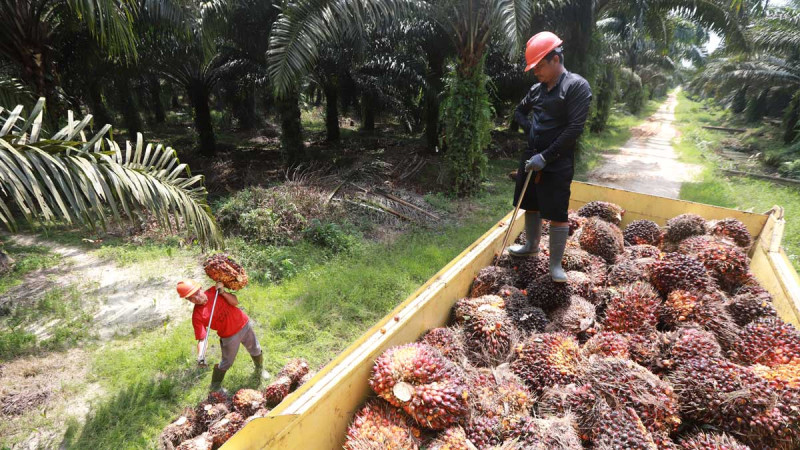
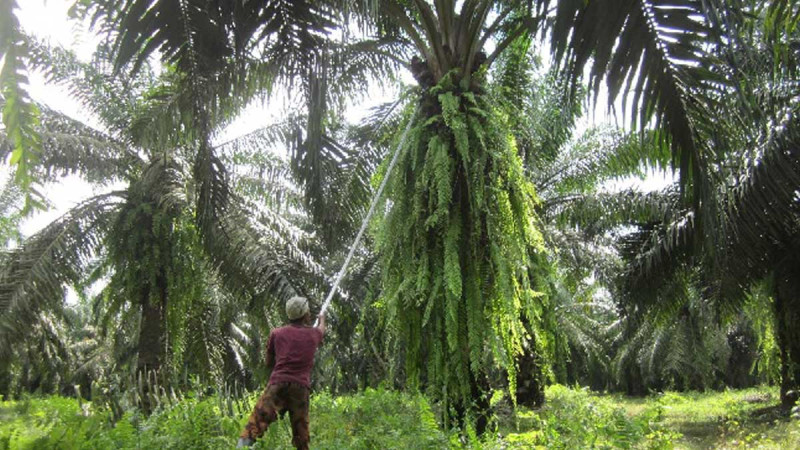
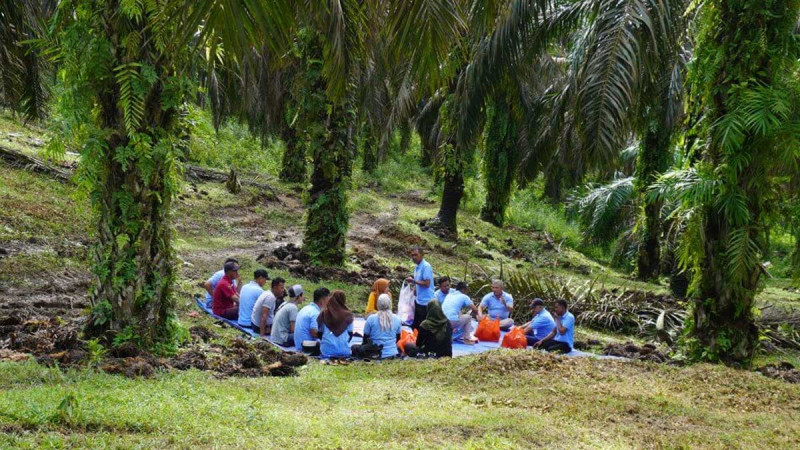
Based in Air Upas Village, Ketapang Regency, PPSK represents 1,128 independent smallholders managing a combined 2,329.58 hectares of oil palm plantations through 12 farmer groups certified under RSPO sustainability standards.
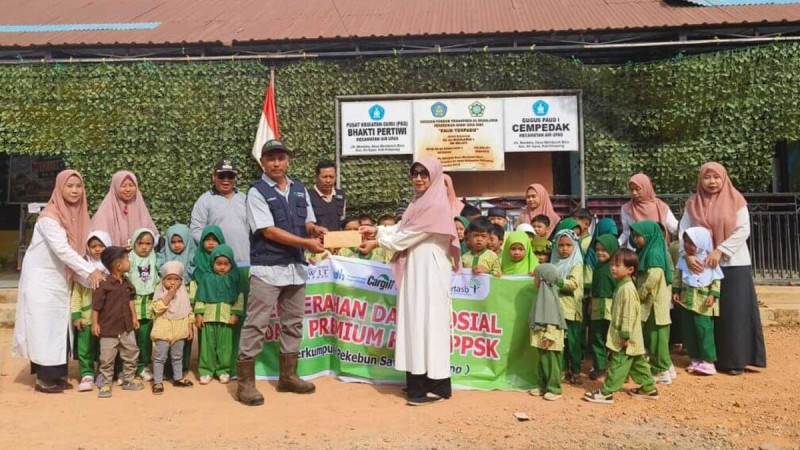
Since its establishment in November 2022, the organization has sought to ensure that the economic benefits generated through certification are shared with surrounding communities. Through the Smallholder Social Responsibility (SSR) program, PPSK has distributed approximately Rp132 million in RSPO credit incentives to support social and community empowerment projects across its member groups.
The funding has been used to improve educational facilities, including support for kindergarten and early childhood education centers, as well as repairs to school buildings. Additional resources have financed the installation of electricity poles in residential areas and the distribution of fruit tree seedlings as part of village greening initiatives.
PPSK has also extended its sustainability commitment to wildlife conservation. In June 2026, the association adopted 10 orangutans through the Borneo Orangutan Survival (BOS) Foundation, while its secretary personally sponsored another orangutan. Around Rp10 million was allocated for the conservation program.
PPSK's management said the initiative demonstrates that independent oil palm smallholders can contribute not only to Indonesia's strategic agricultural sector but also to environmental protection and social development when supported by sound governance.
FORTASBI believes the association's experience illustrates how sustainability certification incentives can generate broader economic and social value when managed collectively, strengthening farmer organizations while contributing to rural development, human capital improvement, and biodiversity conservation around oil palm landscapes. (T2)
Source: InfoSAWIT