KUALA LUMPUR, InfoSAWIT – Crude palm oil (CPO) prices have climbed to their highest intraday level in around 20 months, supported by rising demand from Indonesia’s biodiesel programme and growing concerns that El Niño-related dry weather could disrupt palm oil production in Southeast Asia.
According to The Edge Malaysia, as published by InfoSAWIT, palm oil futures on Bursa Malaysia Derivatives rose as much as 1.7% to RM4,977 per tonne during trading on Thursday, August 20, 2026. The level marked the highest intraday price since December 2024.
The rally reflects a combination of tightening supply expectations and stronger demand for palm-based biofuel. Indonesia's mandatory B50 biodiesel programme is expected to increase domestic consumption of palm oil, potentially reducing the volume available for export markets.
As the world's largest palm oil producer, Indonesia has begun implementing the B50 mandate, prompting traders to closely monitor how higher domestic consumption could reshape regional and global supply flows.
El Niño Raises Production Concerns
Weather has also become an increasingly important factor for the palm oil market.
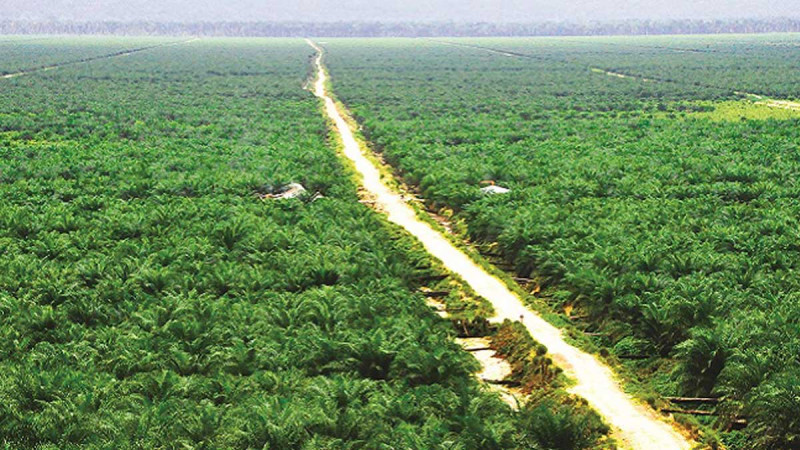
Dry conditions have been reported across plantation areas in Indonesia and Malaysia, the world's two largest palm oil-producing countries. An extended El Niño event could bring drier weather to parts of Southeast Asia, potentially affecting plantation productivity and slowing palm oil output growth.
The United States Department of Agriculture (USDA) has projected that global palm oil inventories could fall to their lowest level in nine years during the 2026–2027 season.
The combination of potential production risks and stronger biodiesel demand has encouraged speculative buying in the market.
Budiman Suwardi, Head of Treasury and Markets at Prime EcoHarvest Commodities, said less favourable weather conditions have led market participants to factor in the possibility of lower production in Indonesia and Malaysia.
Buyers, he said, are also seeking to secure supplies as Indonesia moves further into the implementation of its B50 biodiesel mandate.
Rising Agricultural Commodities Add Support
Palm oil's rally has coincided with gains in several other major agricultural commodities, including corn and sugar, adding to concerns over broader food-price inflation if the upward trend continues.
Disruptions to commodity trade flows from the Black Sea region have also provided additional support to the vegetable oil market.
Russia and Ukraine are major suppliers of sunflower oil, and any disruption to exports from the region could prompt buyers to seek alternative vegetable oils, including palm oil.
This has added another layer of support to palm oil demand amid continued uncertainty over global supplies.
Stronger Ringgit and Soybean Oil Remain Key Headwinds
Despite the sharp rally, analysts say further gains in CPO prices could still face resistance.
Gnanasekar Thiagarajan, Head of Trading and Hedging Strategies at Kaleesuwari Intercontinental Ltd, said the recent move to higher levels could be seen as a technical breakout for the market.
However, a stronger Malaysian ringgit could make palm oil priced in Malaysia more expensive for buyers using other currencies. Movements in soybean oil prices, one of palm oil's key competing vegetable oils, will also remain closely watched.
With Indonesia's expanding biodiesel demand, El Niño-related production risks, lower global stock expectations and potential disruptions in alternative vegetable oil supplies, the palm oil market is entering an increasingly sensitive period.
Traders will continue to watch the impact of Indonesia's B50 programme and weather developments across Southeast Asia, both of which could play a decisive role in determining the direction of CPO prices in the months ahead. (T2)