JAKARTA, InfoSAWIT – Indonesia is stepping up preparations for the implementation of the Indonesia-European Union Comprehensive Economic Partnership Agreement (I-EU CEPA), a landmark trade deal expected to create broader market opportunities for Indonesian exports, including palm oil and its downstream products.
The government is currently accelerating coordination across ministries and institutions to complete the legal, regulatory and technical groundwork required before the agreement takes effect.
Trade Minister Budi Santoso said the preparations include finalising ratification documents, aligning domestic regulations and ensuring the technical readiness needed for implementation.
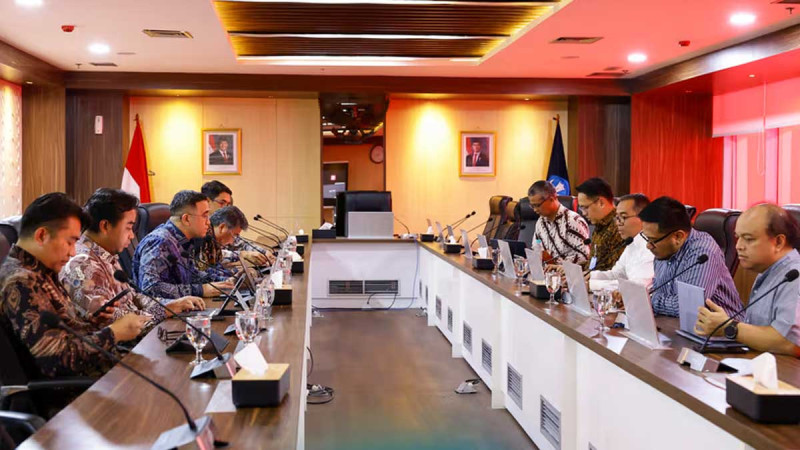
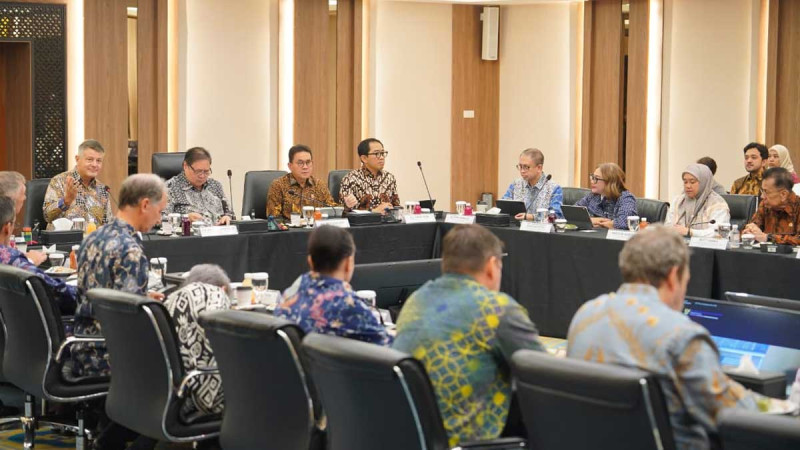
The issue was discussed during the I-EU CEPA Implementation Preparation Dialogue held at the Coordinating Ministry for Economic Affairs in Jakarta on August 21. The meeting was chaired by Coordinating Minister for Economic Affairs Airlangga Hartarto and attended by representatives from government institutions and ambassadors from European Union member states.
Budi said Indonesia is seeking to ensure that the benefits of the agreement are fully captured by businesses and the broader national economy.
Palm Oil Could Gain Zero-Tariff Access
One of the most significant features of the I-EU CEPA is its planned tariff liberalisation. The agreement is expected to cover around 98% of tariff lines between Indonesia and the European Union, representing approximately 99.5% of the total value of imports.
For Indonesia, the agreement could provide preferential access for several key export products. Palm oil and its derivatives, along with textiles, footwear and rubber products, are among the commodities expected to benefit from zero tariffs once the agreement comes into force.
According to Budi, the level of tariff commitments secured under the I-EU CEPA represents one of the most substantial market-access outcomes Indonesia has achieved through an international trade agreement.
The European Union, meanwhile, will also receive zero-tariff treatment for selected products entering Indonesia, including pulp, aircraft and aircraft components, railway equipment and fertilisers.
Access to a Market of 450 Million Consumers
The I-EU CEPA is among the most comprehensive trade agreements negotiated by Indonesia. For Indonesian businesses, it offers access to a European market of around 450 million consumers, with a combined gross domestic product estimated at approximately US$22 trillion.
The agreement goes beyond trade in goods. It also covers services, investment, digital trade, customs facilitation, standardisation, sanitary and phytosanitary measures, as well as other areas aimed at improving business certainty and strengthening economic cooperation.
Budi stressed that close engagement with industry associations and businesses will be essential to ensure that the opportunities created by the agreement translate into real commercial gains.
Communication between Indonesian companies and their European partners, he said, will become increasingly important as the agreement moves towards implementation.
EUDR and CBAM Remain Key Concerns
While the I-EU CEPA could significantly improve market access, Indonesian exporters will still need to navigate a range of European regulatory requirements.
For the palm oil sector, particular attention remains focused on the European Union Deforestation Regulation (EUDR). Other policies, including the Carbon Border Adjustment Mechanism (CBAM), as well as sector-specific requirements, are also expected to remain important considerations for Indonesian exporters.
Budi said regulations that could potentially affect the benefits of the agreement should continue to be discussed between Indonesia and the European Union, including any new rules introduced after the agreement is signed.
The objective, he said, is to ensure that the trade partnership provides legal certainty and tangible benefits for businesses on both sides.
Signing Targeted for October 2026
Negotiations on the I-EU CEPA began in 2016 and reached a substantive agreement in September 2025. Indonesia and the European Union are now completing their respective internal procedures ahead of the signing and ratification stages.
Airlangga Hartarto said the government is targeting October 2026 for the signing of the agreement. The process would then move to parliamentary ratification before the deal can formally enter into force.
For Indonesia, the I-EU CEPA could become a major new platform for expanding exports, attracting investment and strengthening the country's position in global supply chains.
For the palm oil industry, the prospect of zero-tariff access could improve the competitiveness of Indonesian palm-based products in the European market.
However, wider market access will also bring new responsibilities. The industry and the government will need to ensure that Indonesian palm oil producers are ready to meet increasingly stringent sustainability, traceability and regulatory requirements in Europe.
The I-EU CEPA, therefore, represents more than a trade agreement aimed at reducing tariffs. For Indonesia's palm oil industry, it could open a new gateway to Europe while simultaneously testing the sector's ability to meet the evolving demands of global trade. (T2)
Source: InfoSAWIT