InfoSAWIT, JAKARTA – Indonesia is exploring the potential of turning empty palm fruit bunches (EFB) into second-generation, or 2G, bioethanol as the government and state energy company Pertamina seek to unlock greater value from palm oil biomass.
The initiative is being explored by the Ministry of Higher Education, Science and Technology (Kemdiktisaintek) in collaboration with PT Pertamina (Persero), with discussions focusing on the possible development of a small-scale pilot plant using biomass residues from the palm oil industry.
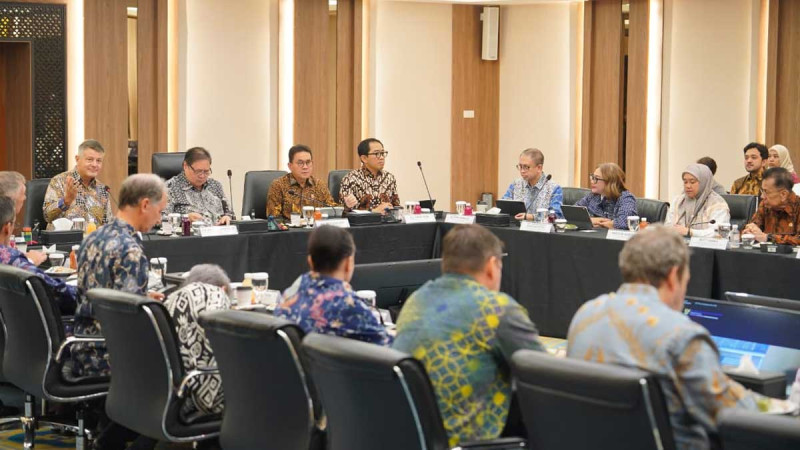
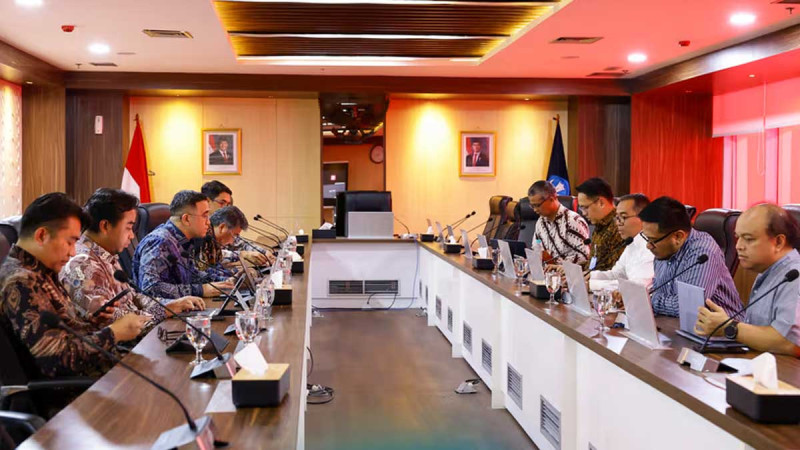
The proposal was discussed during a meeting between Higher Education, Science and Technology Minister Brian Yuliarto and Pertamina Vice President Director Oki Muraza on Wednesday (August 19, 2026).
One of the key issues discussed was the potential development of a pilot-scale 2G bioethanol facility. Kemdiktisaintek has also held preliminary discussions with India’s Praj Industries regarding biomass processing technology and possible options for developing a demonstration facility.
According to Brian, testing the technology at a smaller scale would be important to better understand the specific characteristics of Indonesian empty fruit bunches before wider commercial deployment.
“We need to start on a small scale so that we can properly understand the parameters of Indonesia’s empty palm fruit bunches and ensure that the innovation being developed can genuinely create added value from the resources we have,” Brian said in an official statement, as published by InfoSAWIT on Sunday (August 23, 2026).
Palm Biomass Offers Renewable Energy Potential
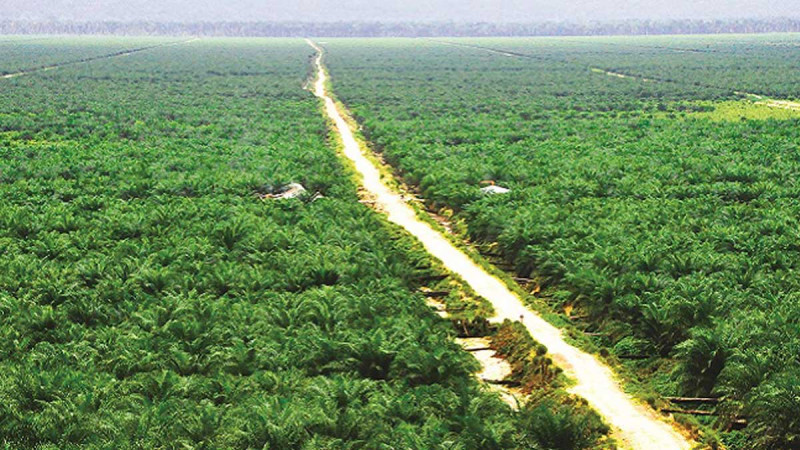
Indonesia has a large supply of palm oil biomass, including EFB generated during the processing of fresh fruit bunches at palm oil mills.
Using EFB as a feedstock for second-generation bioethanol could create additional value from palm oil industry residues without requiring new land development.
The availability of biomass across Indonesia’s plantation regions, including areas dominated by smallholders, could also provide opportunities for developing new supply chains and local economic activity.
The development of palm biomass-based 2G bioethanol is aligned with Indonesia’s broader efforts to strengthen energy security, promote downstream industrial development and maximise the use of domestic resources under the government’s Asta Cita development agenda.
Pertamina has previously conducted research into the utilisation of EFB with several partners. During the meeting, the company highlighted a number of technical challenges, including feedstock processing, pre-treatment technology and enzyme applications.
“Our goal is to develop and master the technology ourselves. We have significant feedstock potential, so we also need to build technological capability,” Oki Muraza said.
Feedstock Supply Could Be as Important as Technology
Both Kemdiktisaintek and Pertamina stressed that the success of EFB-based bioethanol development will depend on more than technological readiness.
The availability, collection, pricing and transportation of biomass will also need to be addressed from the early stages of development.
EFB is spread across palm oil-producing regions throughout Indonesia, making supply chain management a critical part of any future commercial model. A sustainable feedstock system would need to ensure reliable biomass availability while creating fair economic benefits for companies, smallholders and communities involved in the supply chain.
The two sides are also opening opportunities for broader collaboration with universities and research institutions.
Academic involvement is expected to support technology development, business model design, logistics systems and broader industrial governance for biomass-based bioethanol.
Through collaboration between government, universities, research institutions and industry, the initiative is expected to move beyond laboratory research toward downstream commercial applications.
The longer-term objective is to transform Indonesia’s abundant palm oil biomass into higher-value renewable energy products while strengthening domestic technological capabilities and supporting greater energy independence. (T2)