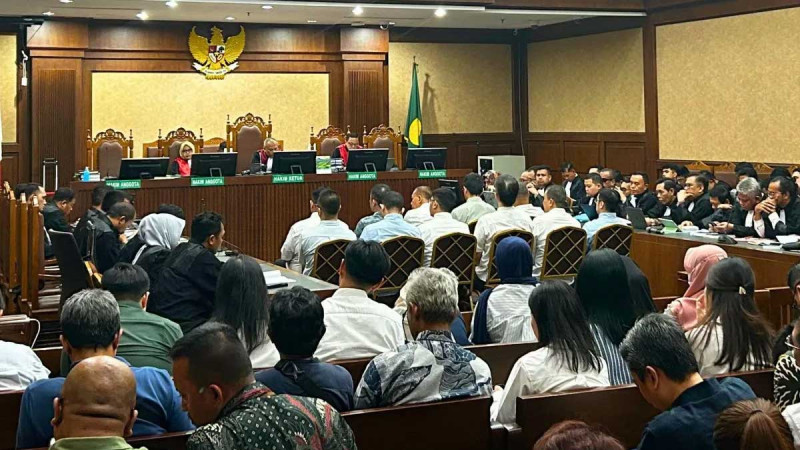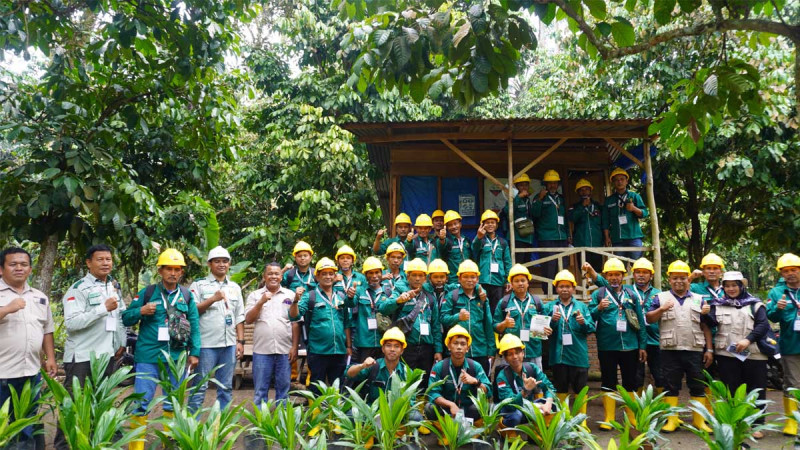
InfoSAWIT, MEDAN – Efforts to strengthen the capacity of Indonesia’s independent oil palm smallholders are continuing, with 87 growers from Aceh Singkil taking part in an Indonesian Sustainable Palm Oil (ISPO) implementation training programme in Medan, North Sumatra.
The programme, held from August 10 to 15, 2026, was organised by PT Koompasia Enviro Institute under the Oil Palm Plantation Human Resources Development Programme. The initiative was supported by the Oil Palm Plantation Fund Management Agency (BPDP) and the Directorate General of Plantations.
Participants were divided into three groups and received training on the principles and criteria of ISPO, as well as the practical preparations required to apply sustainability standards in plantation management and smallholder institutions.
For independent smallholders, preparing for ISPO certification involves more than completing administrative requirements. The process also requires improvements in legal compliance, institutional capacity, good agricultural practices, environmental protection, social standards and proper record-keeping.
Learning Beyond the Classroom
The training programme combined classroom sessions with discussions, experience-sharing and practical learning.
Participants were encouraged to discuss challenges they face in managing their plantations and to explore possible solutions based on their own conditions.
The smallholders also took part in a field visit to observe the implementation of ISPO principles and criteria by a farmer organisation in Sipispis District, Serdang Bedagai Regency, North Sumatra.
The field experience was designed to give participants a clearer understanding of how sustainability principles can be applied in day-to-day plantation operations and institutional management.
By connecting classroom material with real-world practices, the programme aimed to help the Aceh Singkil smallholders identify practical steps they could take after returning to their respective communities.
Institutional Strength Seen as Key to ISPO Progress
Strengthening smallholder institutions was also highlighted as an important part of the training.
ISPO certification requires collective participation, extending beyond cooperative leaders or management teams to include members throughout the organisation. Improvements in administration, legality, cultivation practices and record-keeping are expected to become more effective when carried out collectively.
The trainers involved in the programme also brought experience from assisting independent smallholders through the ISPO certification process, helping participants understand common challenges and identify solutions suited to local conditions.
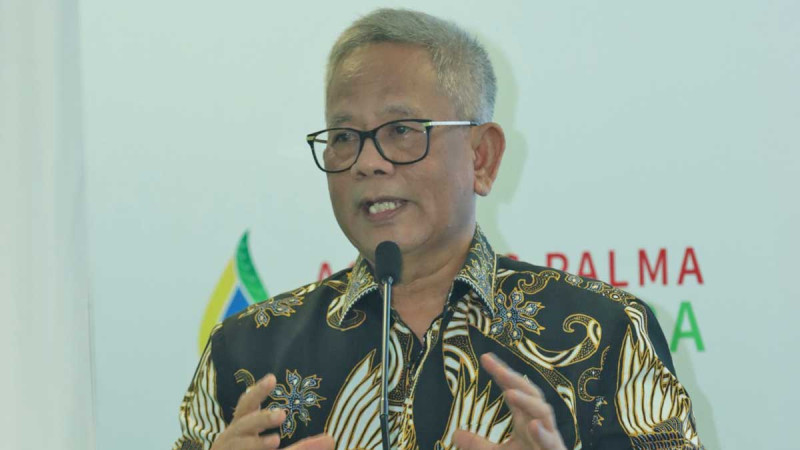
According to Mukhlis, Head of the Plantation Human Resources Development and Agricultural Extension Division at the Aceh Agriculture and Plantation Agency, meeting ISPO principles and criteria remains a challenge for independent smallholders in the province.
He said capacity-building programmes are important to improve growers’ understanding and ability to prepare for certification.
Meanwhile, PT Koompasia Enviro Institute Director Henry Marpaung said the programme was designed not only to increase participants’ knowledge of ISPO.
The training is also expected to produce smallholder champions who can become local drivers of change and encourage wider adoption of sustainable plantation practices.
Participants are expected to share the knowledge gained during the programme with their respective farmer organisations, allowing improvements toward ISPO certification to continue gradually and involve more growers.
Through the training, the 87 independent smallholders from Aceh Singkil are expected to build a stronger foundation for ISPO certification readiness, while also developing new local leaders capable of promoting better, more productive and sustainable oil palm management. (T2)
Source: InfoSAWIT